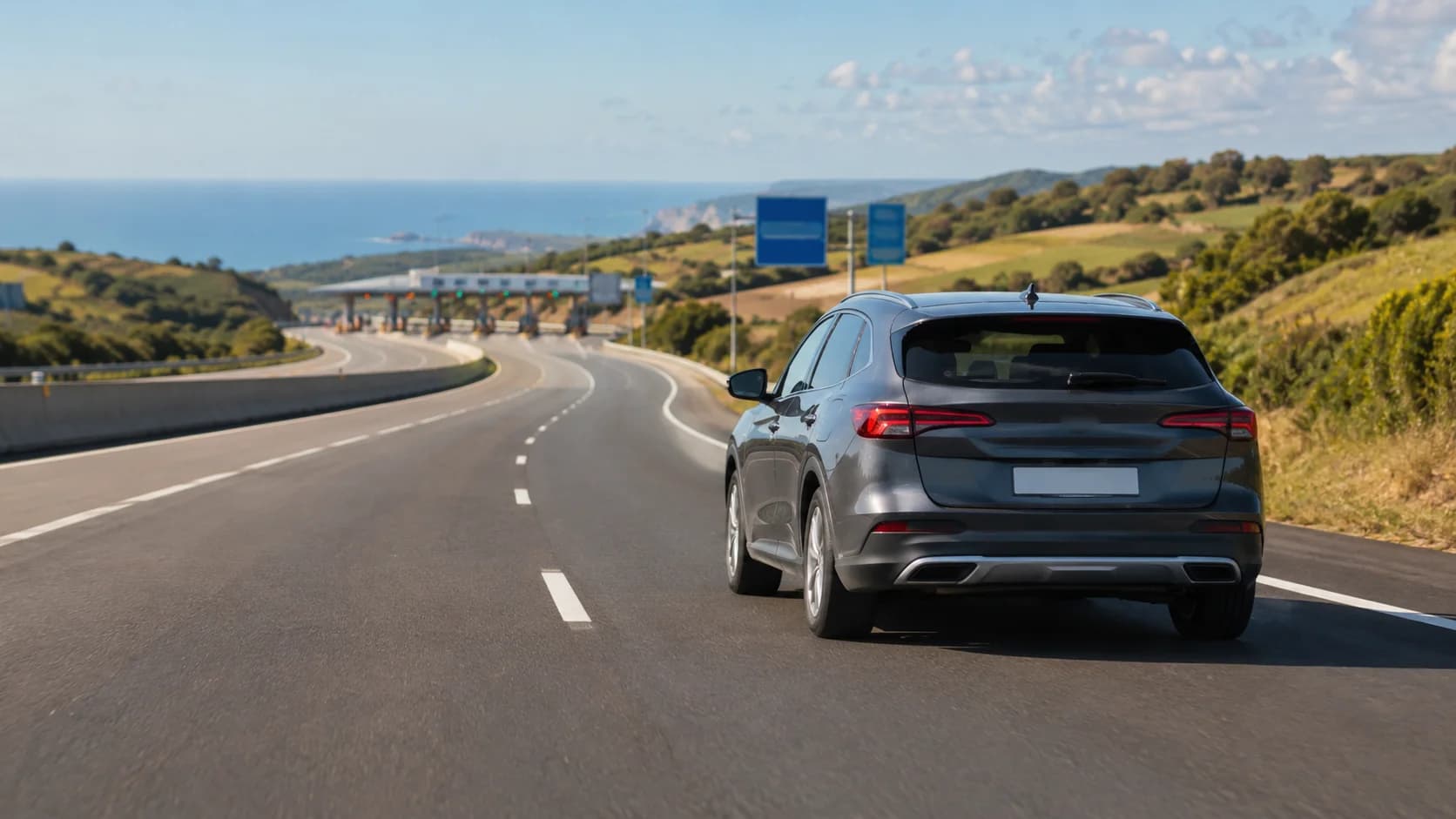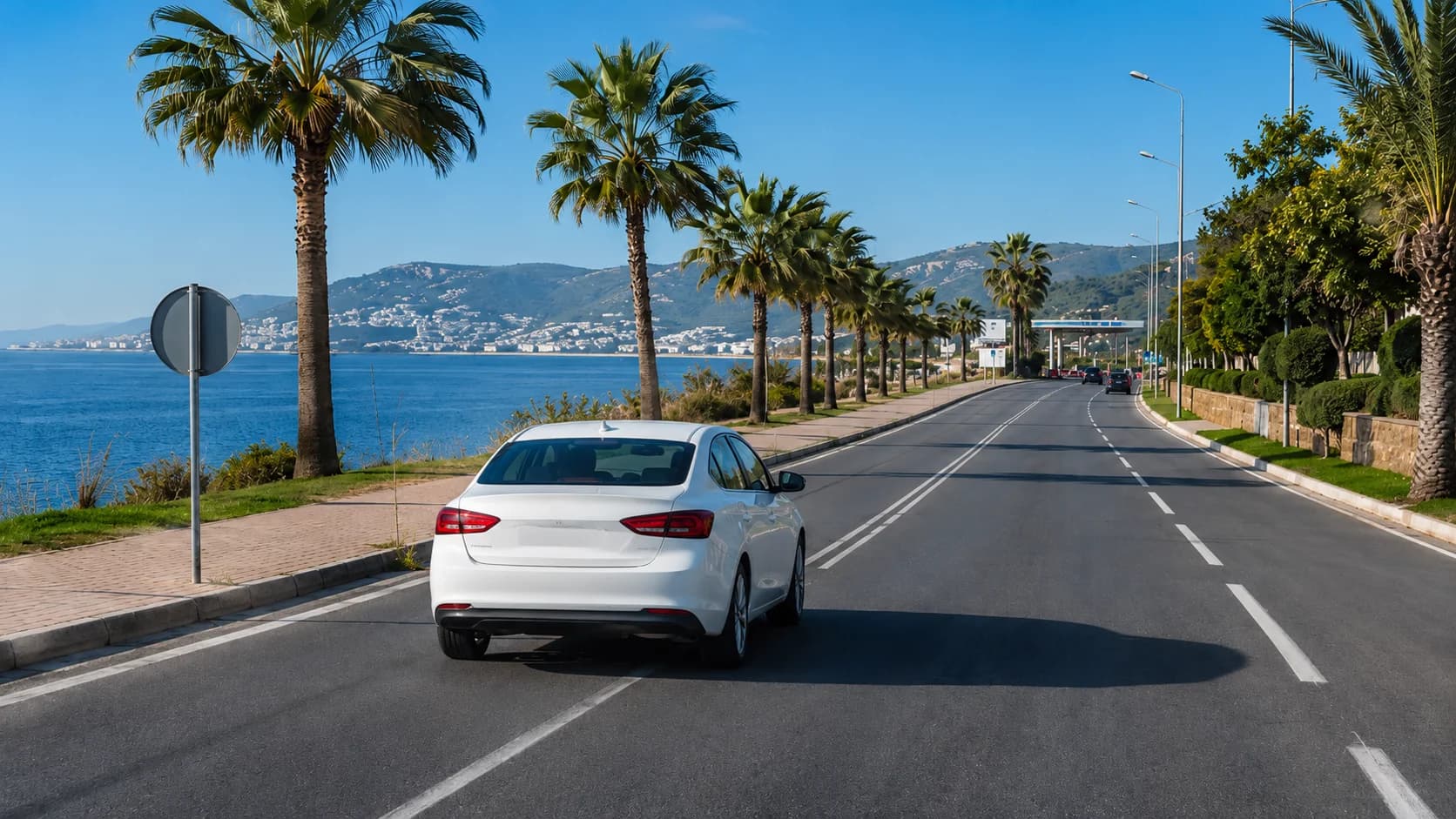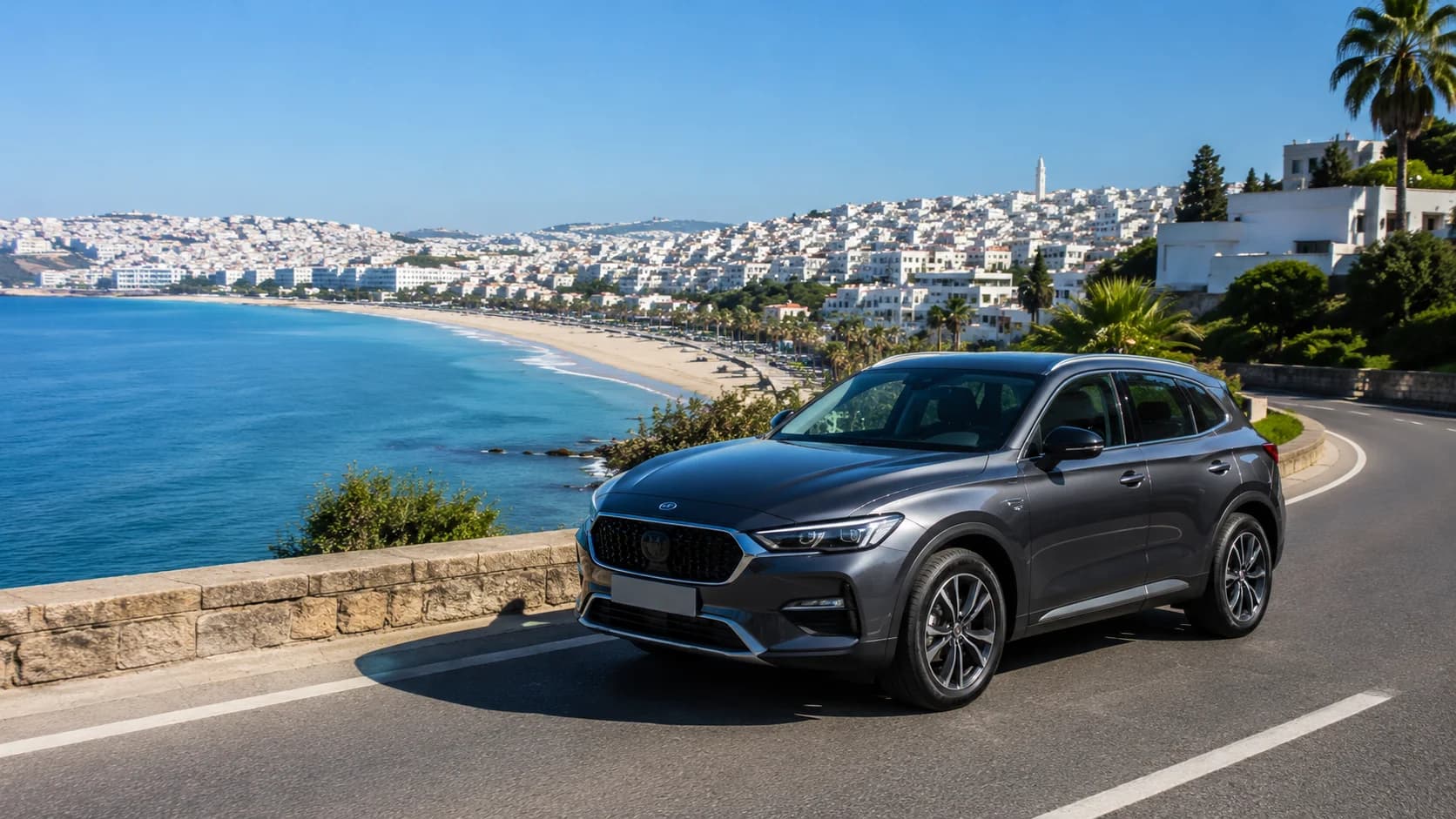







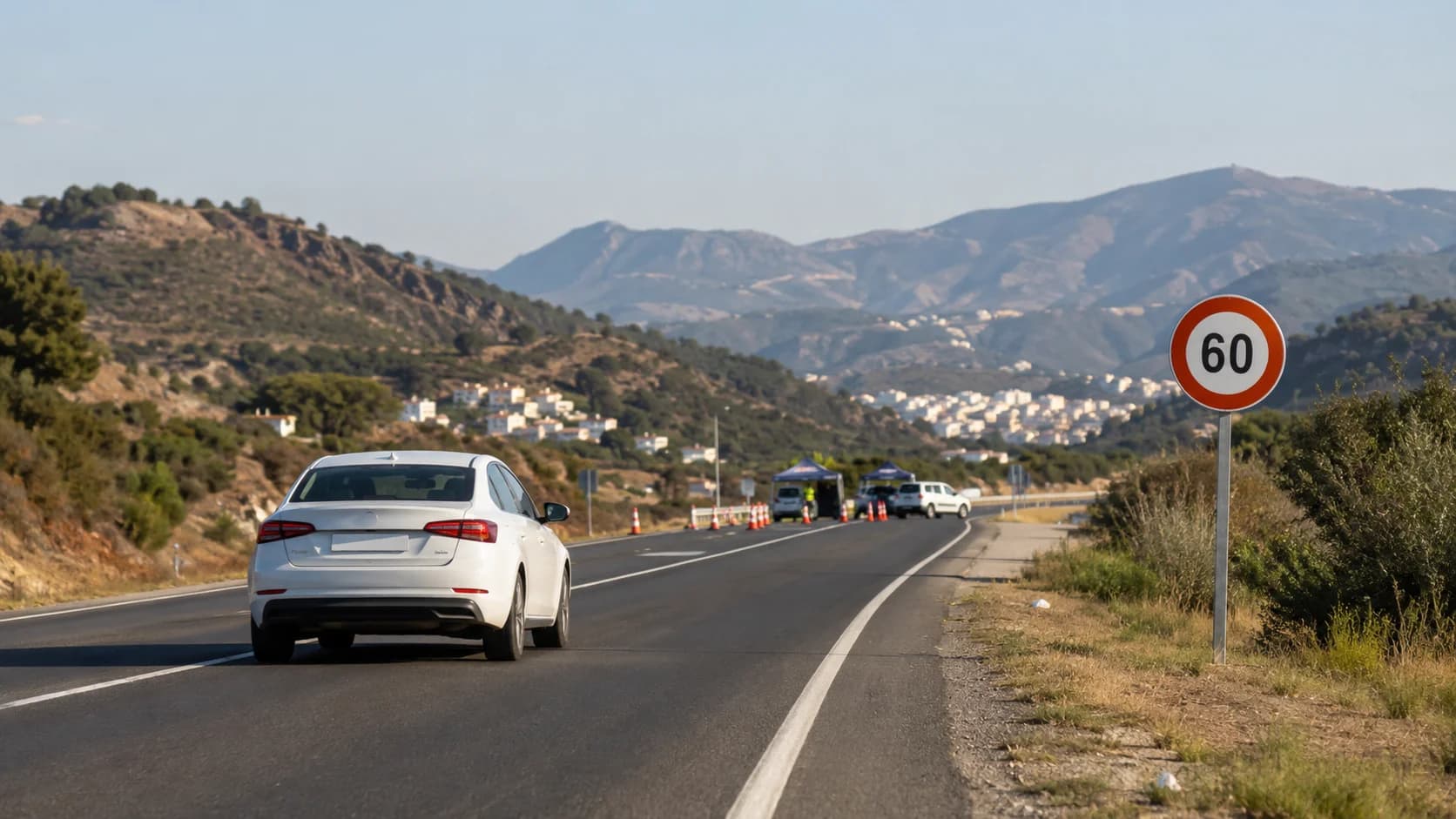
Speed limits in Morocco are usually 60 km/h in towns, 80 to 100 km/h on national roads depending on signage, and 120 km/h on motorways. In northern Morocco, drivers should be especially careful around Tangier exits, Tetouan routes, Chefchaouen roads, coastal roads and Rif mountain sections because speed signs can change quickly. Police checkpoints are normal, radars are common, and the safest way to avoid fines is simple: follow the posted signs, slow down before town entrances, keep your documents ready and stay calm at every stop.
1. Speed limits by road type
For visitors starting from Tangier, the first rule is to drive by the signs, not only by what your map app says. Moroccan roads can move from motorway to national road, then into a village or mountain road very quickly. The general limits for light vehicles are usually 60 km/h in built-up areas, 100 km/h on priority roads outside towns and 120 km/h on motorways, while some national road sections may be limited to 80 km/h depending on risk, traffic and road design. NARSA also notes that urban limits can be 20, 40 or 60 km/h depending on the location, and that the motorway maximum is 120 km/h.
In practical terms, think like this:
City streets in Tangier, Tetouan, Larache and Chefchaouen: expect 40 to 60 km/h.
Town entrances and exits: slow down early, even if the open road was faster.
National roads: expect 80 to 100 km/h, depending on posted signs.
Motorways: up to 120 km/h where allowed.
Rif and mountain roads: the posted limit may be higher than what feels safe, so adapt your speed.
This matters because northern Morocco has many “transition zones.” These are places where drivers leave an open road and suddenly enter a village, roundabout, bend, school area or police control point. Most tourist fines happen in these moments, not on long empty roads.
If you are planning a comfortable route from Tangier to Tetouan, Asilah, Chefchaouen or Larache, a simple sedan rental Tangier is usually enough for paved roads, but the driver still needs to stay alert to changing speed signs.
2. Radars on the A1 and N-roads
Morocco uses fixed radars, mobile radar controls and automated systems. NARSA Services explains that Morocco added 552 new-generation automated control devices to an existing fleet of 140 radars, with equipment deployed across the country. These systems can record speed offences, red-light violations, continuous-line crossings, banned-lane driving, multiple vehicles at the same time, plate numbers and average speed over motorway sections.
For northern Morocco, the radar risk is highest in places where speed feels easy to miss:
On the A1 motorway and motorway connectors.
Near toll areas and exits.
On long straight sections after Tangier.
At entrances to Larache, Asilah, Tetouan and other towns.
On N-roads where the limit drops before a village.
Near roundabouts, schools and junctions.
Do not assume that a radar only checks one side of the road. In 2025, NARSA announced a bidirectional automated radar system able to detect violations including speeding in both directions of traffic.
The safest habit is to reduce speed before the sign, not after passing it. If the sign says 60, be at 60 before the controlled zone begins.
3. Checkpoints on the Rif and coast roads
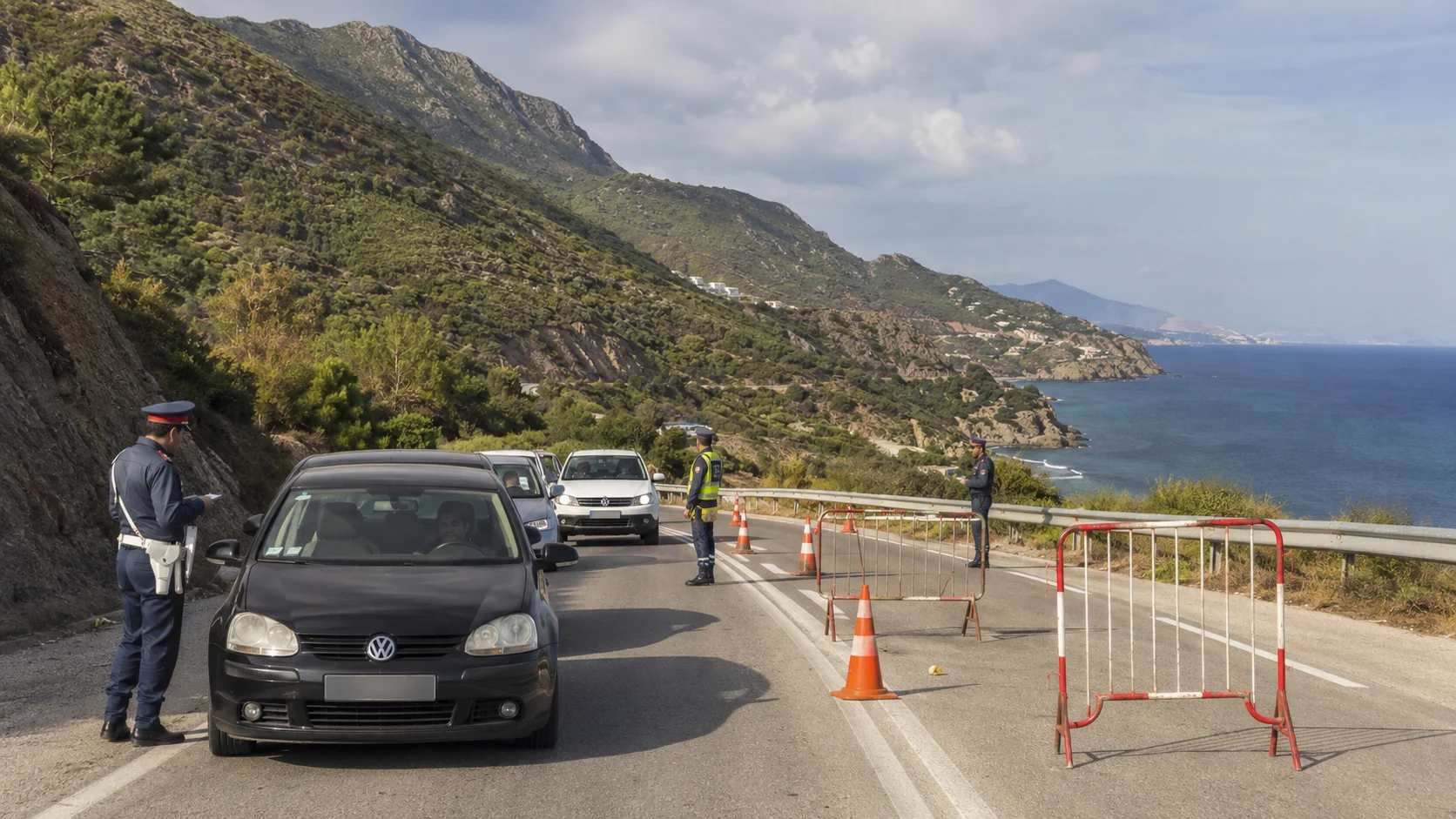
Police and gendarmerie checkpoints are common in Morocco. In the north, you may see them on routes from Tangier to Tetouan, Tangier to Chefchaouen, Tetouan to Fnideq, coastal roads, ferry-port routes and Rif mountain roads.
A checkpoint does not mean you did something wrong. Most are routine controls. Officers may wave you through, ask you to slow down, or request documents. On Rif roads, checkpoints can also appear after bends, near village entrances or at junctions where several roads meet.
Good driving behaviour before a checkpoint:
Slow down gradually.
Do not overtake near the control area.
Keep both hands visible on the wheel.
Wait for the officer’s signal.
Stop only where directed.
Open the window calmly.
A cheap rental car is not a problem at checkpoints if the paperwork is clear and the driver is respectful. If you want a practical option for normal northern routes, cheap car rental Tangier is enough for city driving, airport pickup, ferry pickup and most day trips.
4. On-the-spot fines explained
Speeding fines in Morocco depend on how far above the legal limit you were driving. NARSA’s road-safety information lists speeding penalties as 300 MAD for less than 20 km/h over the limit, 500 MAD plus 2 points for 20 to less than 30 km/h over, 700 MAD plus 4 points for 30 to less than 50 km/h over, and treats 50 km/h or more over the limit as a serious offence.
For tourists, the key point is simple: do not argue about the radar reading on the roadside. Ask calmly what the offence is, follow the legal process and request the official receipt if a payment is made.
NARSA Services also provides an online traffic-offence platform where citizens, foreign residents and foreign tourists driving a Morocco-registered vehicle can consult offences. The platform can show automated radar offences, the contravention notice, the radar photo and the status of the fine.
5. The headlight-flash warning
In northern Morocco, drivers sometimes flash headlights to warn other drivers about a radar, police stop, danger, animal, accident or slow traffic ahead. Tourists often think it always means “police ahead,” but that is not always true.
A flash can mean:
Slow down.
There is a checkpoint ahead.
There is a hazard after the bend.
Your lights are off.
Someone is overtaking.
There is an animal, pedestrian or stopped vehicle.
Do not rely on headlight flashing as a radar system. Also, do not speed until someone warns you. The correct habit is to drive legally even when nobody flashes. Treat a flash as a general warning to check your speed, look far ahead and stay ready.
6. What officers ask to see
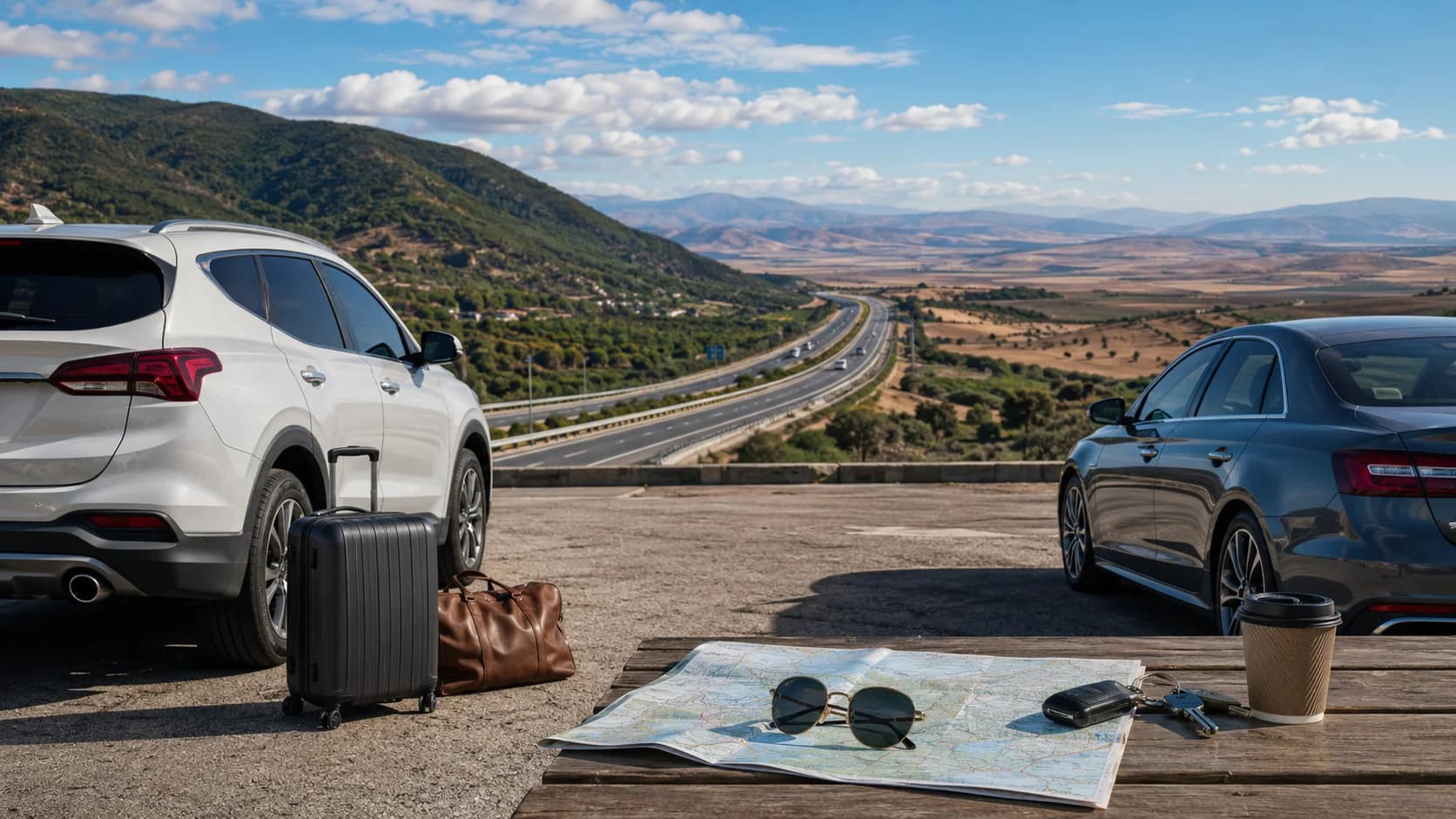
At a normal checkpoint, officers may ask for your passport or ID, driving licence and vehicle documents. If you are in a rental car, keep the rental contract and vehicle papers together so you do not search through bags while cars wait behind you.
Useful documents to keep ready:
Passport or national ID.
Driving licence.
Rental agreement.
Vehicle registration papers.
Insurance document or proof supplied with the car.
Emergency contact for the rental agency.
If you book through car rental Tangier, confirm at handover where the documents are stored and what number to call if an officer asks a question about the vehicle.
7. Staying calm and polite
Moroccan checkpoints are easier when you stay calm. Do not joke aggressively, film the officer, argue loudly or step out of the car unless asked. A respectful “Bonjour” or “Salam” is enough to start.
Keep your answer short. If the officer asks where you are going, say the destination clearly: Chefchaouen, Tetouan, Tangier airport, Tanger Med, Asilah or your hotel. If you do not understand, politely ask them to repeat.
The goal is not to “win” the checkpoint. The goal is to pass correctly, safely and without creating stress.
8. Avoiding fines on day trips
Day trips from Tangier are where most visitors relax too much. The road may feel easy at the start, then suddenly become narrow, busy or controlled.
For Tangier to Chefchaouen, allow more time than the map suggests. The route includes villages, curves, local traffic and scenic stops. On this road, rushing is pointless because you will lose time again at bends, trucks or checkpoints.
For Tangier to Tetouan, watch the speed changes near urban areas, roundabouts and junctions. The road is usually straightforward, but police controls are common around busy sections.
For Tangier to Asilah or Larache, be careful after leaving the motorway or fast road. The danger is entering a slower area while still driving at open-road speed.
A fine-free day trip starts before you move:
Check your destination and return time.
Add buffer time.
Know the road type.
Respect village limits.
Avoid late returns if you are tired.
Do not follow the fastest local driver.
9. Who pays a fine on a rental
With a rental car, the driver is responsible for offences committed during the rental period. If the fine is issued on the spot, the driver usually deals with it directly. If the offence is recorded later by automated radar, the notice may first reach the vehicle owner or rental company. NARSA’s process explains that automated offences can identify the registered vehicle owner, then allow payment, driver declaration or complaint within the legal deadline.
A rental company may contact the renter later if the fine arrives after return. This is why you should keep your contract, return confirmation and payment receipts. Before you leave the agency, ask how radar fines are handled and whether any admin fee applies.
Clear rental paperwork protects both sides. It shows who had the car, when it was collected, when it was returned and who was listed as the driver.
10. Pre-drive speed checklist
Before driving in northern Morocco, do this quick check:
Set your map before moving.
Keep your licence and passport reachable.
Ask where the car papers are.
Check the speedometer units.
Know the basic limits: 60 town, 80 to 100 road, 120 motorway.
Slow before town entrances.
Do not overtake near checkpoints.
Keep distance from taxis and trucks.
Watch for speed drops before roundabouts.
Ask for a receipt for any official fine.
This checklist is simple, but it prevents most problems. Northern Morocco is not difficult to drive when you stay patient and respect the road rhythm.
Final Advice
Speed limits Morocco rules are not something to ignore, especially in the north. Between Tangier, Tetouan, Chefchaouen, Larache, Asilah and the Rif roads, enforcement can be strict and speed changes can come quickly. The best approach is not fear. It is calm preparation.
Choose a car that fits the route, keep your documents ready, drive slower near towns and never rush mountain roads. With a clearly documented rental and local support, your northern Morocco road trip can stay relaxed, safe and fine-free.
Keep your road trip fine-free with MarHire Car Tangier. Rent a clearly documented, fully insured car, choose no-deposit options when available and drive the north with 24/7 support.
FAQs
What are the speed limits in Morocco?
For light vehicles, the common limits are 60 km/h in towns, 80 to 100 km/h on roads outside towns depending on signage, and 120 km/h on motorways. Always follow the posted sign because local limits can be lower.
Are there many speed cameras in northern Morocco?
Yes. Morocco uses fixed, mobile and automated radar systems. NARSA states that new-generation devices are used across the country and can detect several offences, including speed violations and average speed on motorway sections.
Are there police checkpoints near Tangier?
Yes. Checkpoints are common around Tangier, Tetouan routes, ferry-port roads, coastal roads and Rif roads. They are usually routine.
How much are speeding fines in Morocco?
NARSA lists 300 MAD for less than 20 km/h over the limit, 500 MAD for 20 to less than 30 km/h over, 700 MAD for 30 to less than 50 km/h over, and treats 50 km/h or more over the limit as a serious offence.
Why do drivers flash their headlights?
It can mean a checkpoint, radar, hazard, animal, accident, overtaking situation or lights warning. Treat it as a signal to slow down and pay attention, not as a system to avoid police.
What documents do police ask for?
They may ask for your passport or ID, driving licence, rental agreement, registration papers and insurance documents.
Do you pay fines in cash on the spot?
Some roadside fines may be handled immediately, but you should always ask for an official receipt. Automated radar fines can also appear later through the official offence system.
Are checkpoints common on the Rif roads?
Yes. Rif roads often have controls near towns, junctions, curves and strategic routes. Drive calmly and keep documents ready.
Can a rental company charge you for a fine?
Yes, if a fine is linked to your rental period, the company may pass the fine to you or contact you after the notice arrives.
How strict is enforcement in the north?
Enforcement can be strict, especially around town entrances, main roads, motorway sections and known control points. The safest method is to respect signs and avoid rushing.