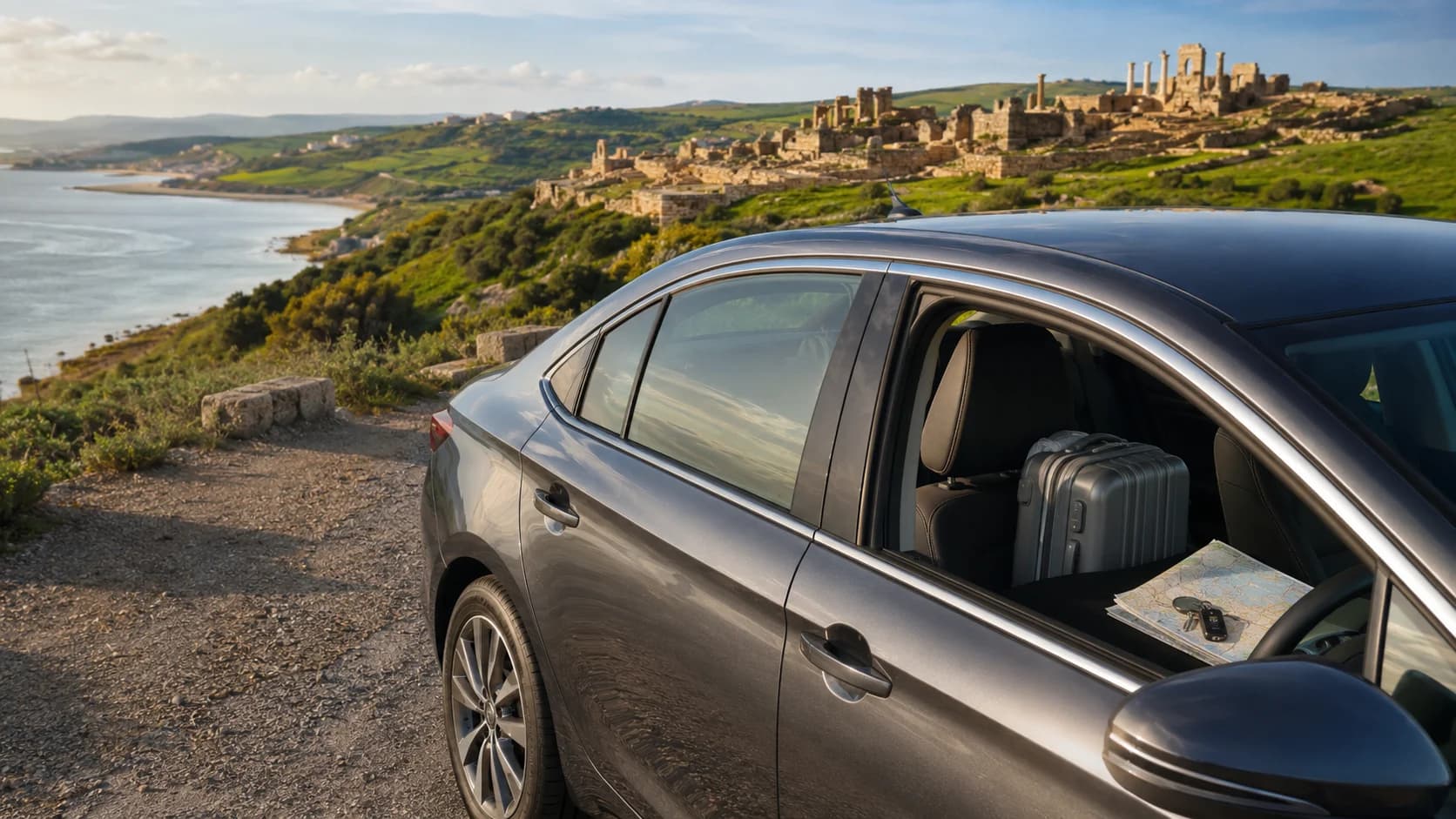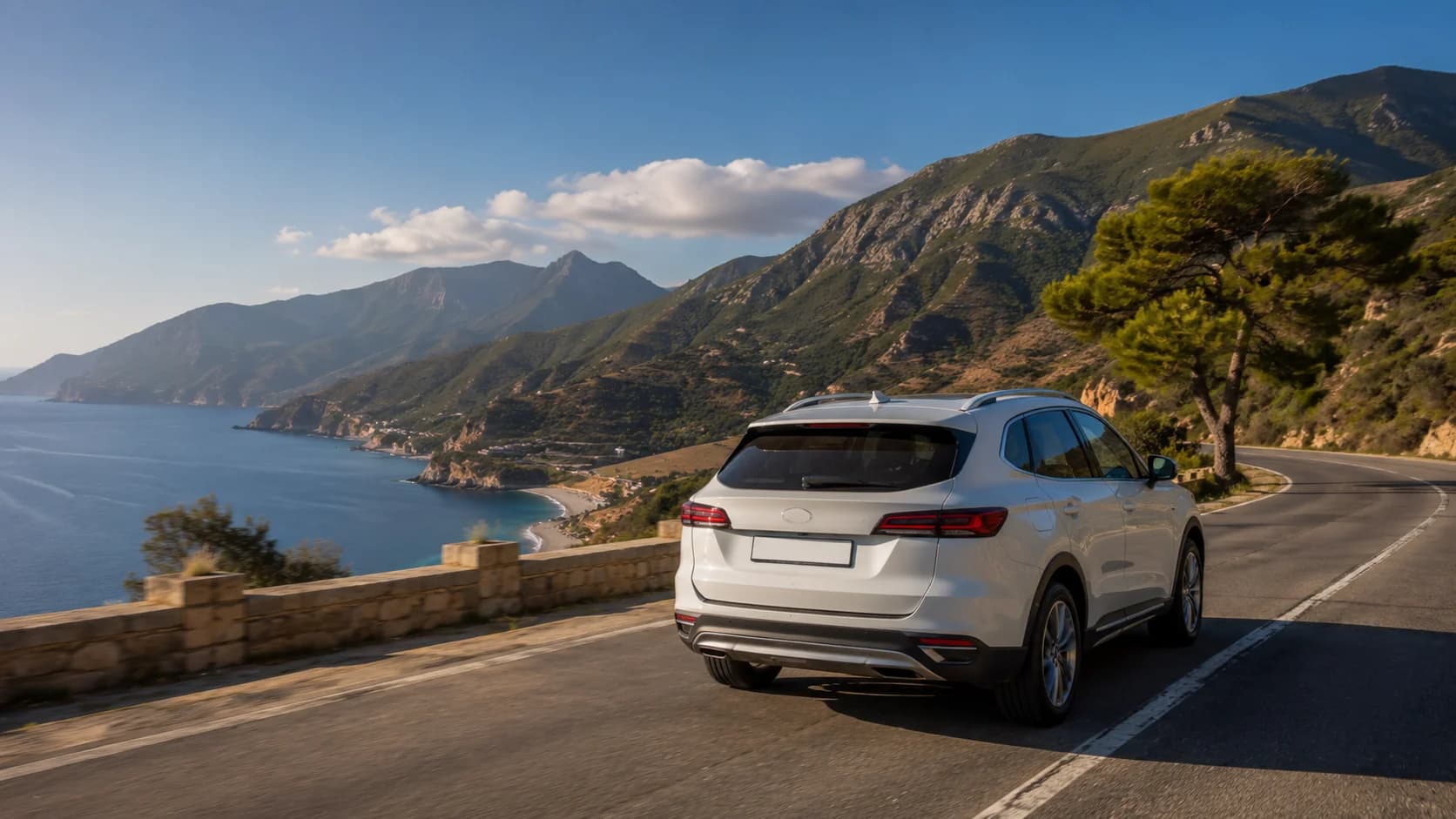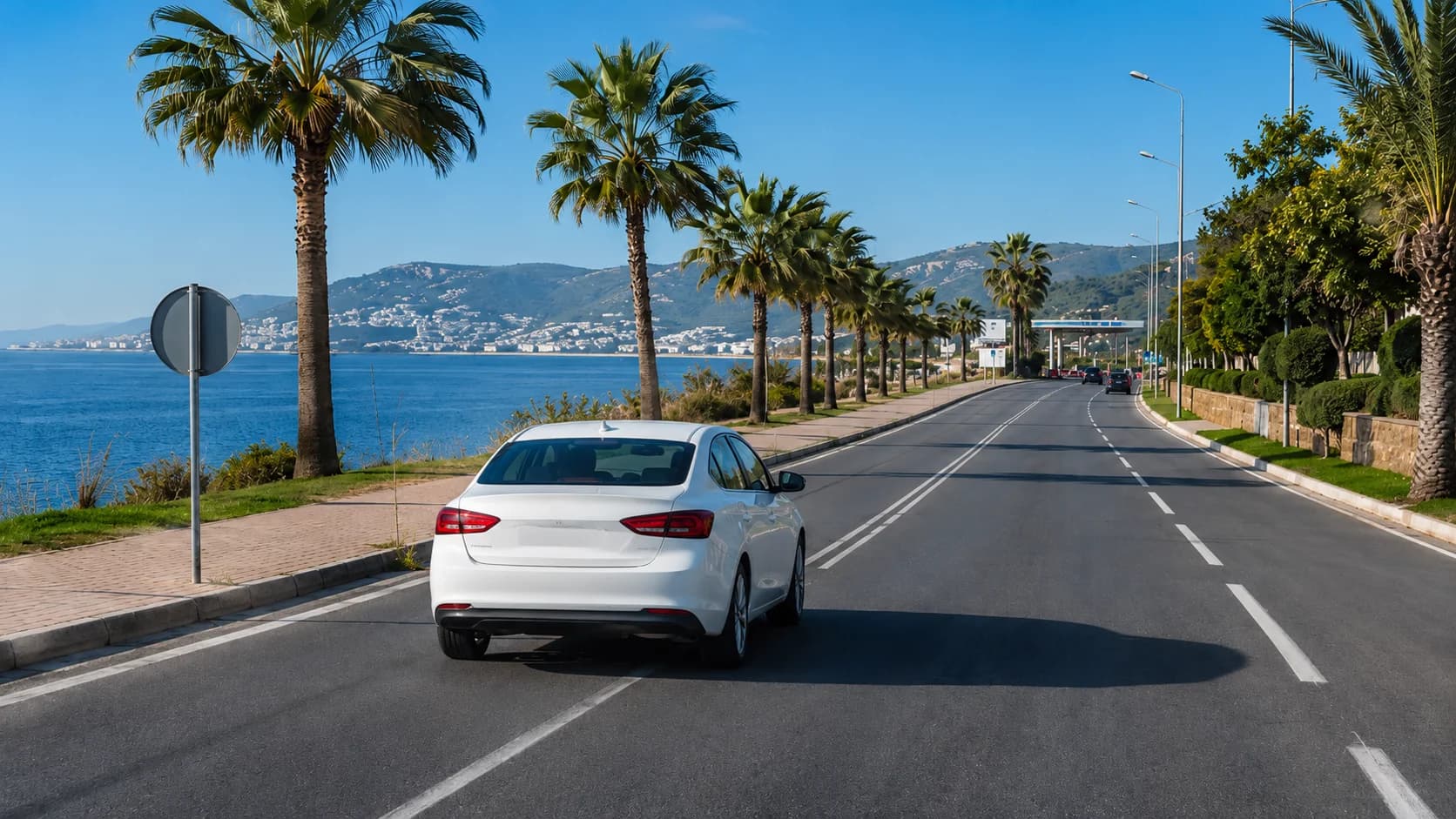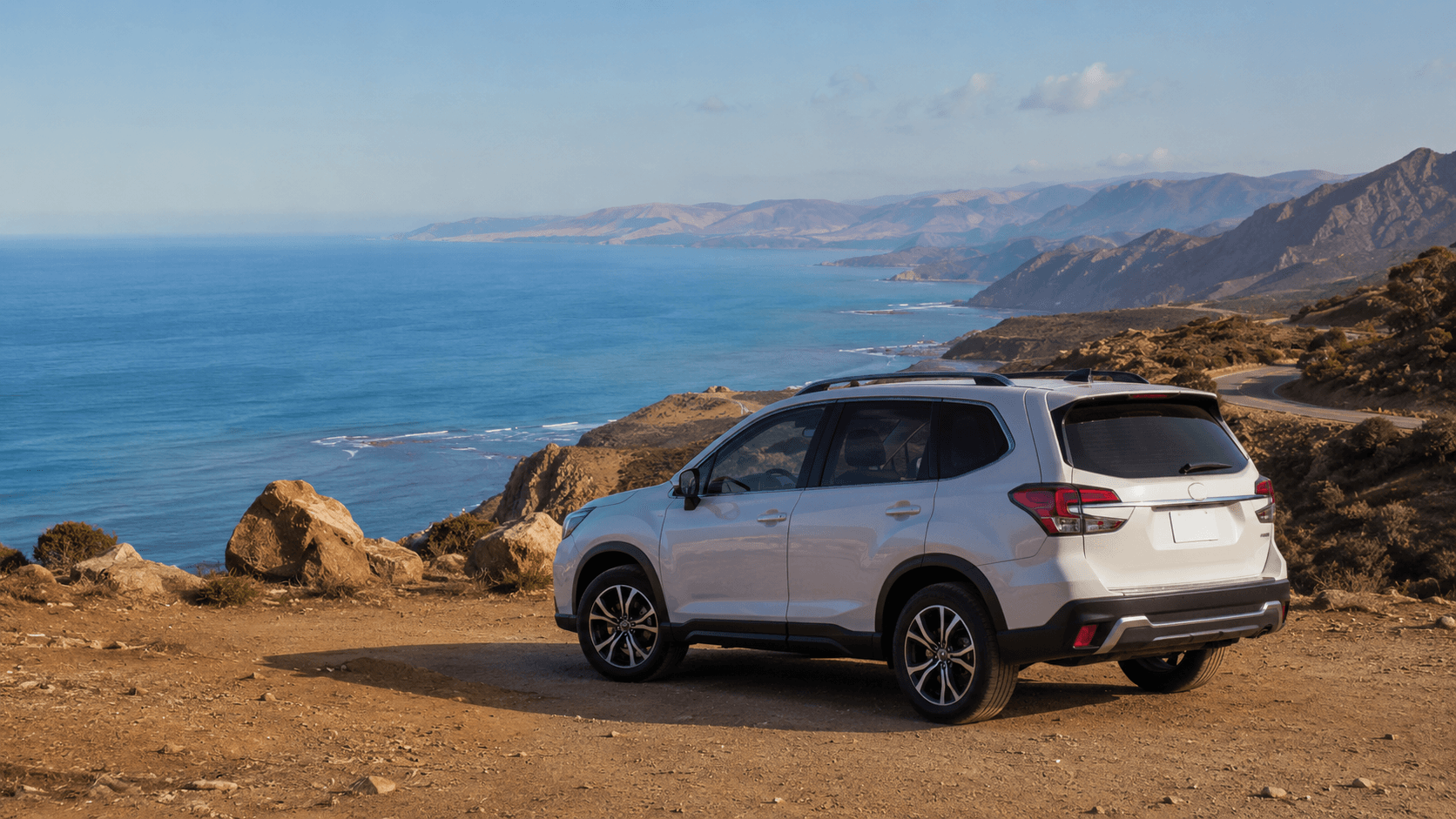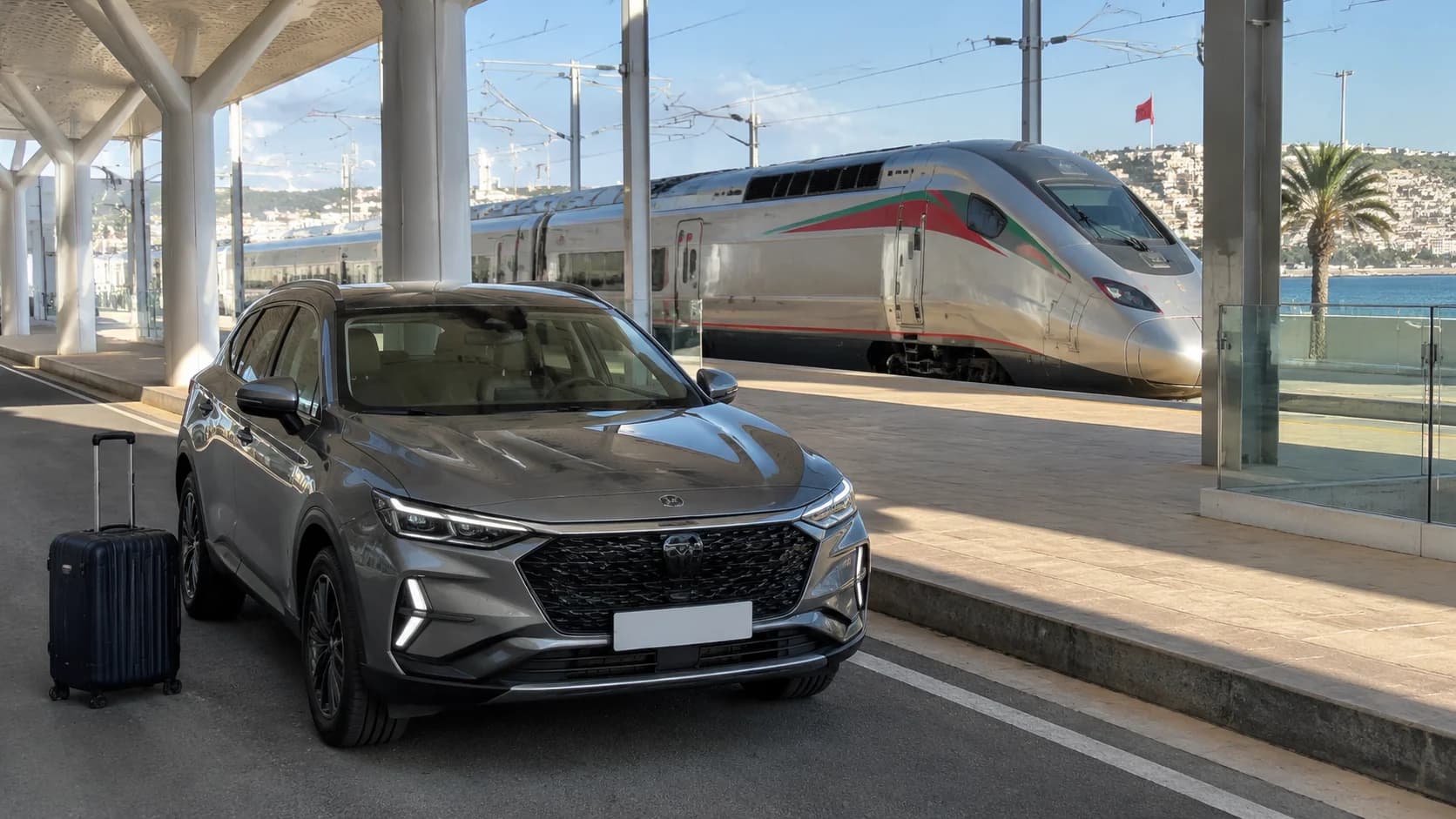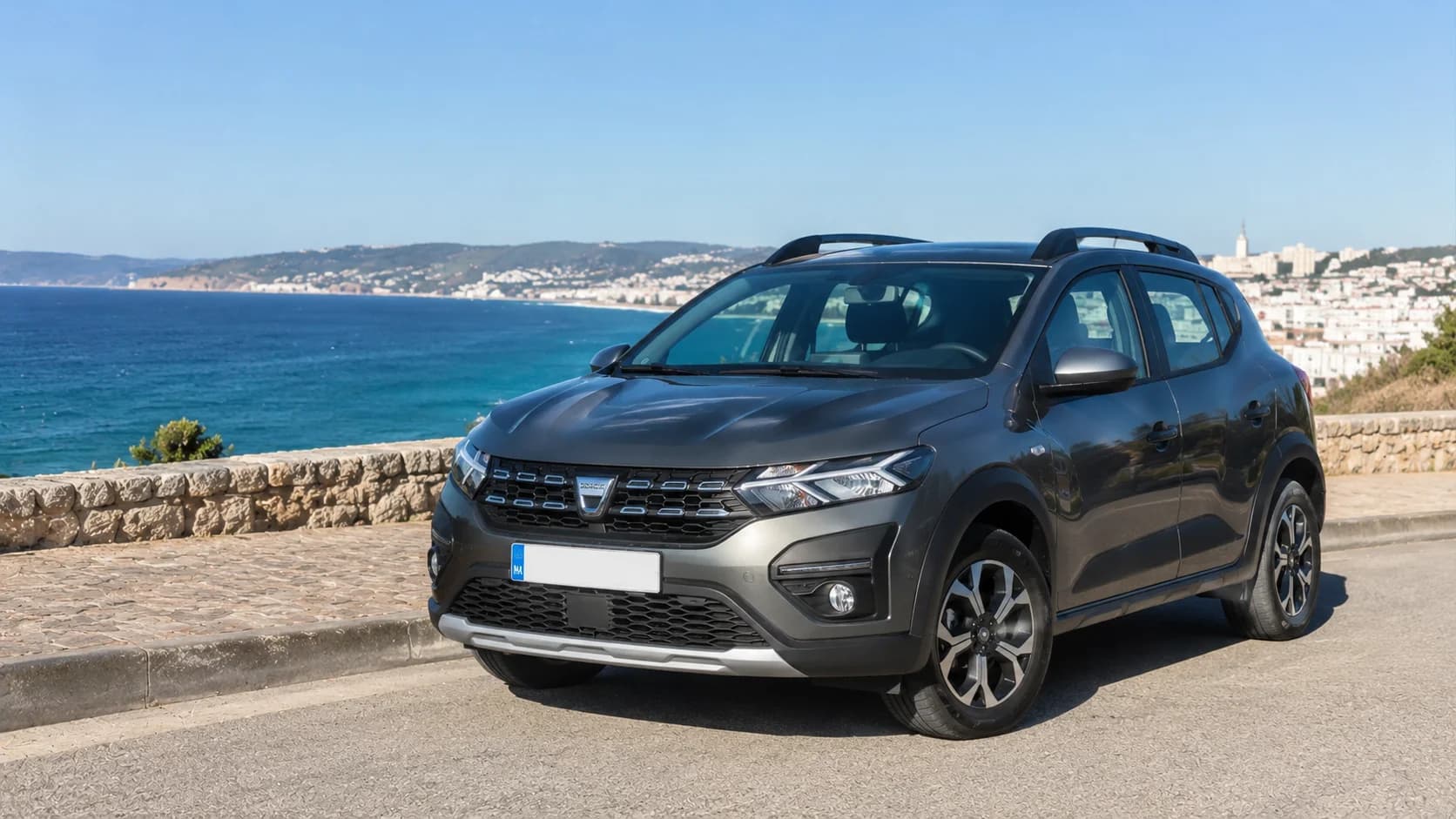







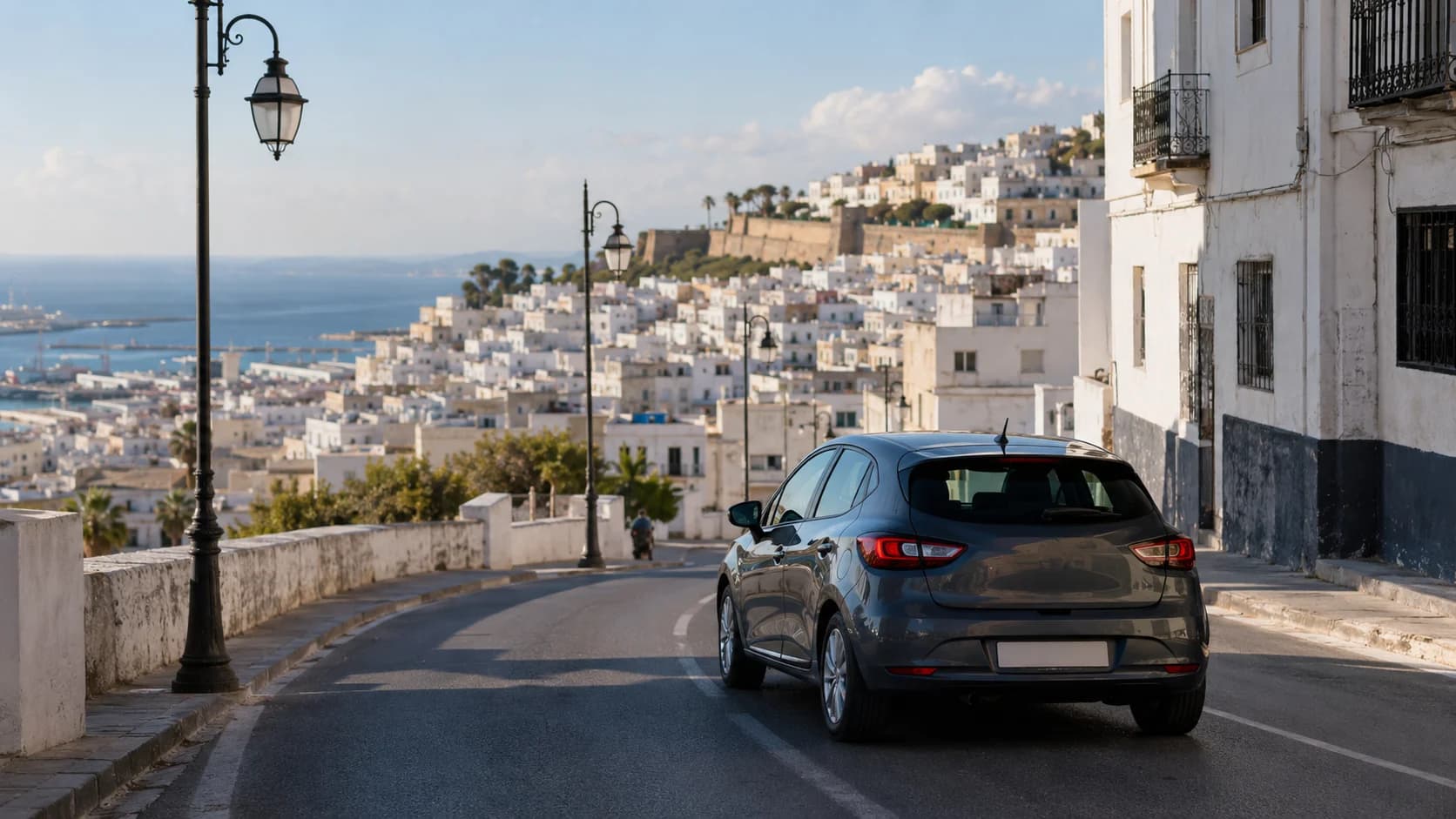
Driving in Tangier is easier when you understand the city before you start the engine. Tangier has a modern side with wide roads, coastal avenues and airport access routes, but it also has steep old quarters, narrow lanes, busy roundabouts and a medina that is best handled on foot. With MarHire Car Tangier, travelers can choose from 120+ cars, supported by a local team that has served 6,000+ clients, collected 300+ reviews and maintained a 4.9/5 average rating across channels.
Tangier is a city where heritage and modern life meet, and Morocco’s official tourism website describes its medina as part of the city’s historic cultural identity. That mix is exactly why driving here feels different from a simple highway route. You may be on a smooth boulevard one moment, then close to steep streets, pedestrians, taxis and medina-edge parking the next.
Table of Contents
-
Is it easy to drive in Tangier?
-
The car-free medina and Kasbah
-
The Corniche and Ville Nouvelle
-
Hills and tight streets
-
Roundabouts and local etiquette
-
Where to park: gardien lots
-
Best car for the city
-
Rush hours to avoid
-
Common driving mistakes
-
Quick city-driving checklist
-
FAQs about driving in Tangier
Is it easy to drive in Tangier?
Driving in Tangier is manageable for most visitors, but it is not the kind of city where you should drive without a plan. The easy parts are the airport road, the main boulevards, the Corniche, the ferry port access areas and the modern city zones. These routes are generally suitable for tourists who are used to normal city traffic.
The harder parts are around the medina, Kasbah, steep residential streets, older lanes and busy central roundabouts. Tangier city driving requires patience more than speed. You need to watch for taxis stopping suddenly, scooters moving between cars, pedestrians crossing outside formal crossings and drivers changing lanes quickly near roundabouts.
The best approach is simple: use the car for airport pickup, hotel transfers, beaches, Cape Spartel, Asilah, Chefchaouen or day trips, then walk when you are inside the old city. A rental car is very useful in Tangier, but it is not necessary for every short movement inside the medina area.
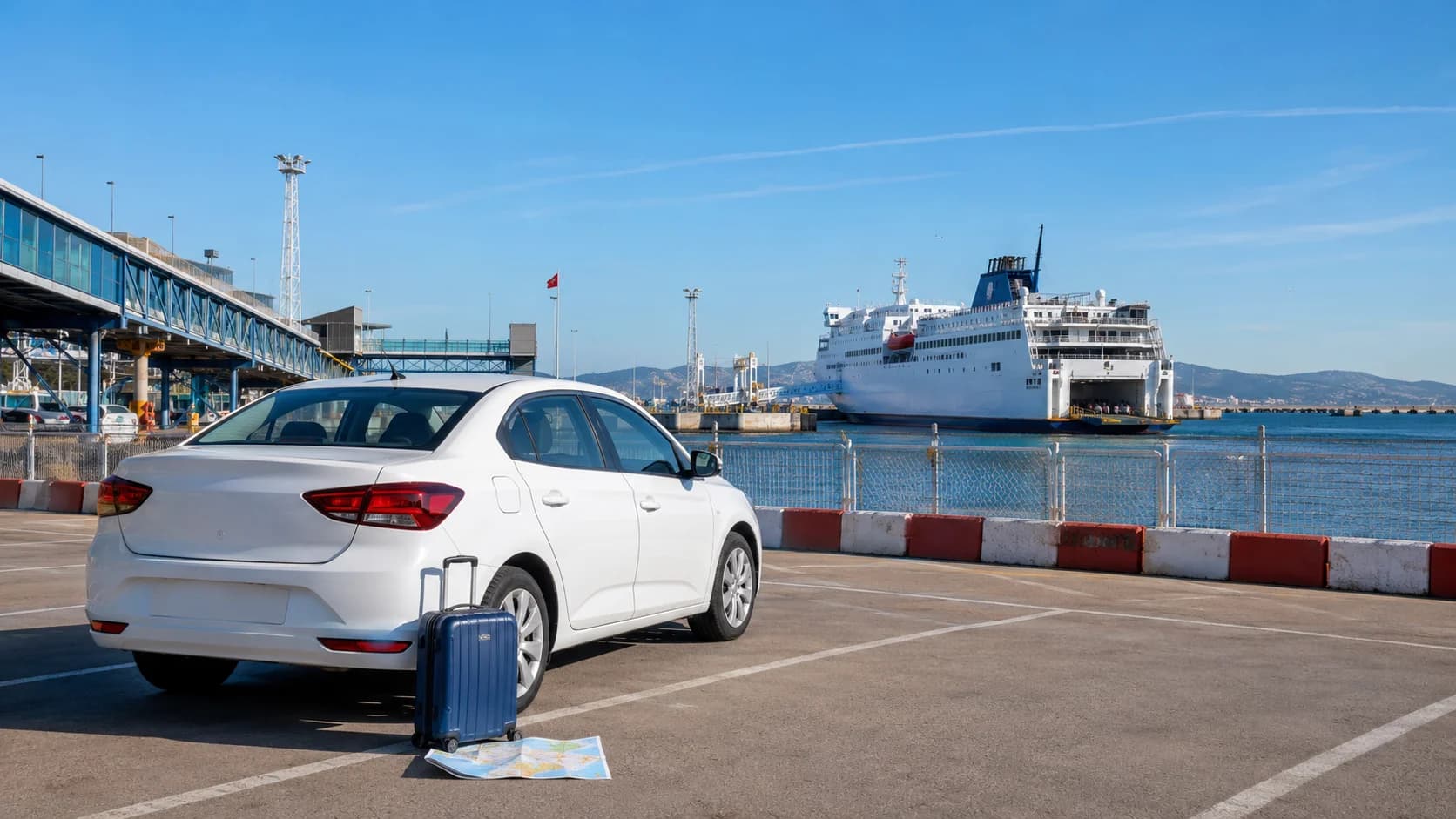
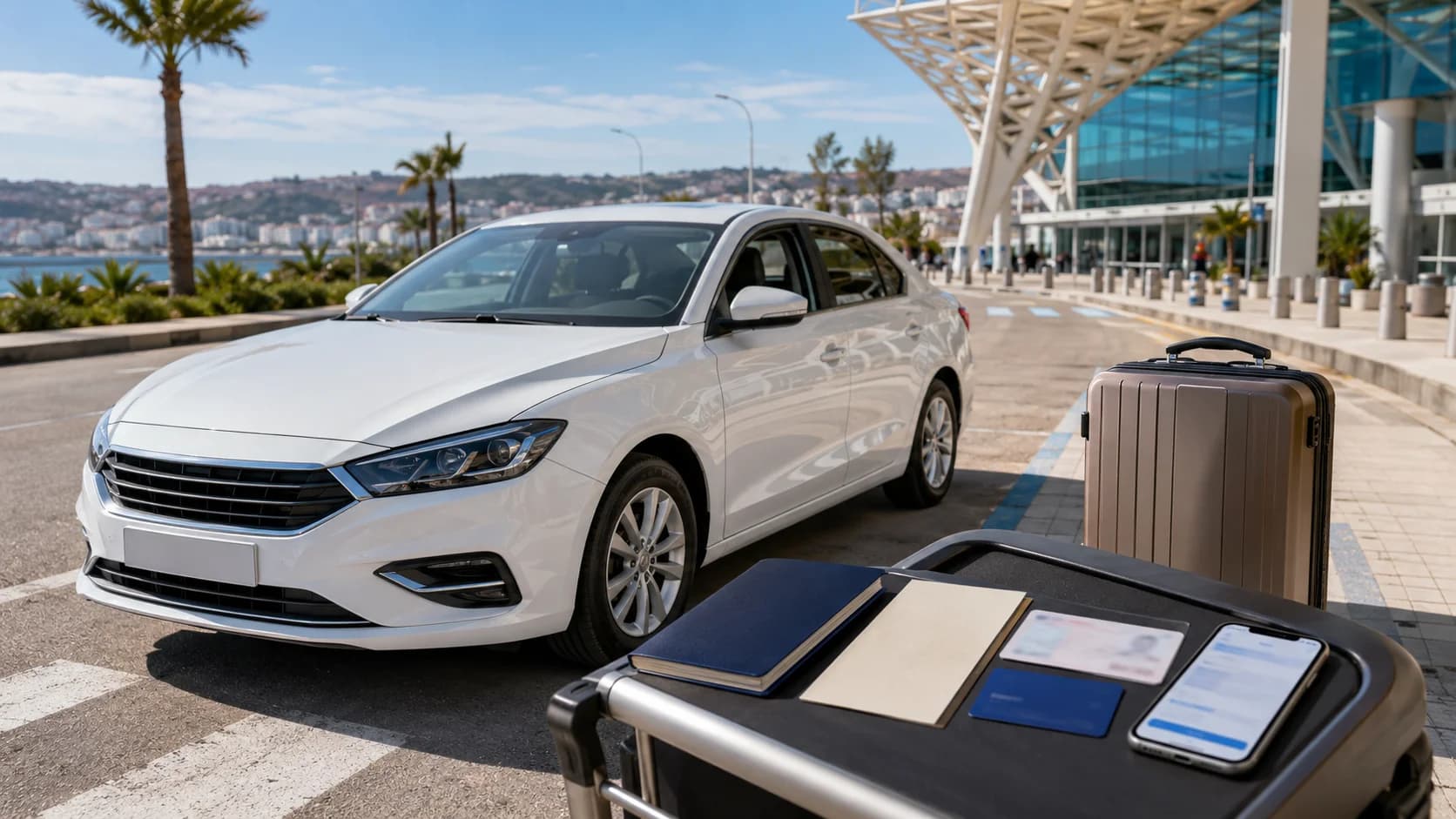
For first-time visitors, booking car rental Tangier with airport, ferry port or hotel delivery saves time because you can start from a clear pickup point instead of searching for an agency in traffic.
The car-free medina and Kasbah
The most important Tangier driving tip is this: do not plan to drive deep inside the medina. The old medina and Kasbah are built for walking, not for modern rental cars. Many lanes are narrow, steep, stepped or full of pedestrians, and even where limited vehicle access exists, it is not practical for visitors.
Tangier’s medina sits on a hill facing the sea and is protected by historic walls, which explains the slopes, gates and compact street pattern around the old quarter. That layout is beautiful for exploring, but stressful for driving.
The smart plan is to park at the edge, meet your hotel or riad contact if needed, and continue on foot. If you are staying inside the medina, ask your accommodation for the closest car-access point before arrival. Many riads can guide you to the nearest gate or parking area.
For luggage, avoid trying to “just get closer” by car. That is one of the easiest ways to end up in a tight lane with no comfortable turning space. Instead, stop at a known medina-edge point, unload calmly and walk the final part.
The Corniche and Ville Nouvelle
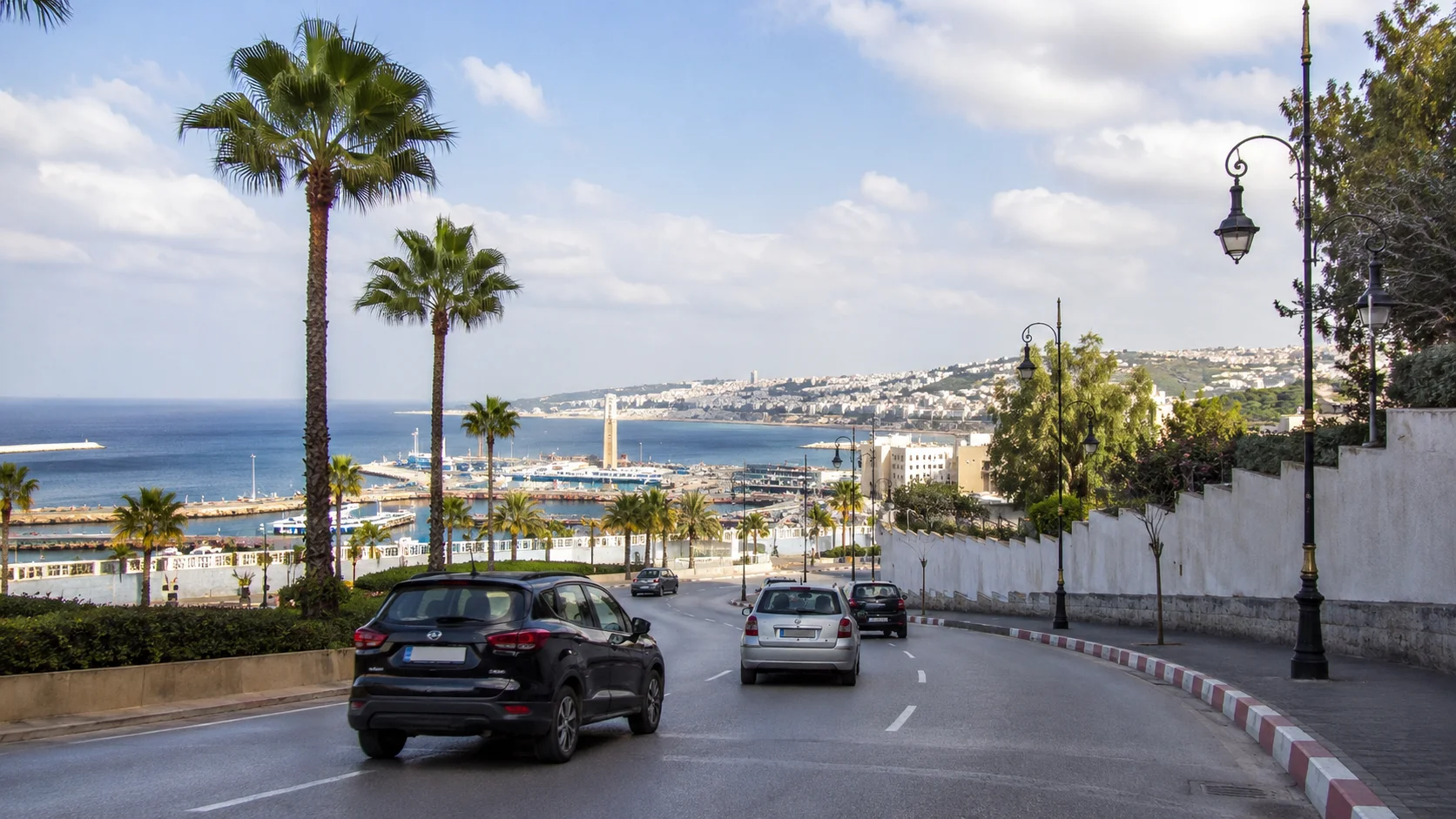
The Corniche is one of the easier and more scenic parts of driving in Tangier, but it can still become slow during evenings, weekends and holiday periods. The coastal road attracts beach visitors, families, cafés, hotel traffic and evening walkers, so the driving style changes depending on the time of day.
During quiet hours, the Corniche feels relaxed. You have sea views, wider roads and easier navigation compared with the old city. During peak times, expect slow traffic, sudden stops, cars looking for parking and pedestrians crossing near cafés or beach access points.
The Ville Nouvelle is more modern and practical for drivers. Roads are wider than the medina edge, parking is easier to understand and navigation apps usually work better. Still, you should stay alert around roundabouts, taxi stops, busier shopping streets and school or office traffic.
If your trip is mostly inside Tangier city, a small car is usually more comfortable than a large SUV. It is easier to park, easier to turn and less stressful in tight streets.
Hills and tight streets
Tangier is not flat. Hills are part of the driving experience, especially near the old city, Kasbah and some residential areas. This matters because hill starts, tight corners and narrow uphill streets can surprise drivers who are used to flat city roads.
If you drive a manual car, be comfortable with clutch control before choosing steep routes. If you are not confident with hill starts, an automatic car can make Tangier city driving easier. The extra comfort is useful when traffic pauses on a slope or when you need to move slowly around parked cars.
Tight streets also mean you should avoid oversized vehicles unless your trip requires one. A 7-seater or SUV can be helpful for families and outside-city routes, but for medina-edge streets, hotel areas and central errands, smaller vehicles are easier.
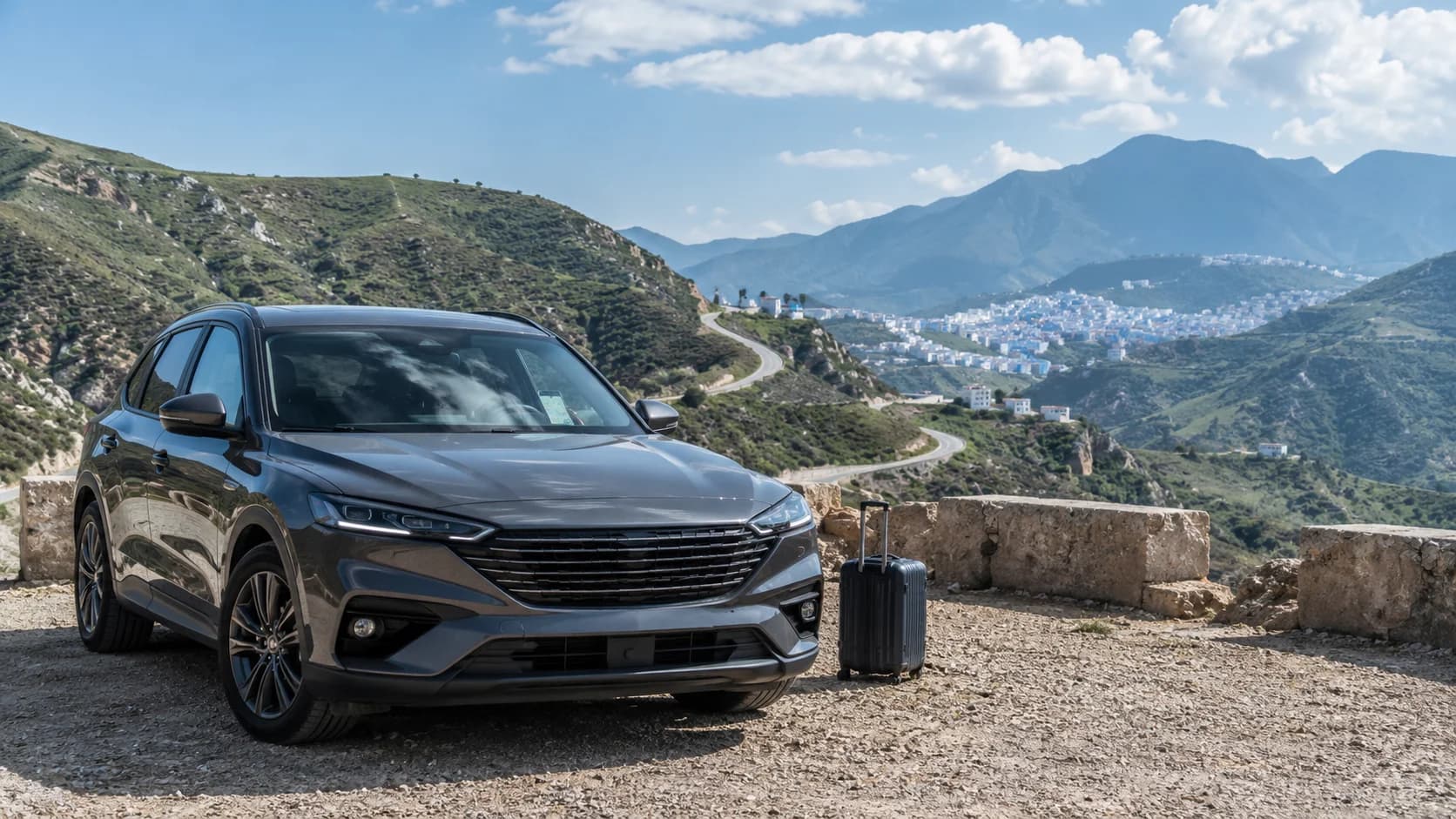
A good rule is to separate the city from the road trip. For the city center, choose compact and practical. For Chefchaouen, Asilah, Tetouan, the Rif mountains or longer journeys, choose based on comfort, luggage and passengers.
Roundabouts and local etiquette
Roundabouts are a major part of driving in Tangier. Some are calm, while others feel fast and confusing during peak traffic. The key is to slow down early, choose your lane before entering and avoid sudden movements.
Morocco drives on the right side of the road, and visitors should always respect signs, lights and local lane markings where present. In practice, Tangier roundabouts require defensive driving. Watch what other vehicles are doing, not only what you expect them to do.
Local etiquette is based on confidence, eye contact and patience. Do not rush into a gap you cannot safely take. Do not stop in the middle of the roundabout unless traffic forces you to. Use indicators when exiting, but do not assume everyone else will.
Scooters and taxis need extra attention. A taxi may stop quickly for a passenger, and scooters may pass on either side in slow traffic. Keep your speed low enough to react calmly.
Where to park: gardien lots
Parking in Tangier is usually easier when you understand the gardien system. A gardien is a local parking attendant who watches a street parking area or open lot. In many Moroccan cities, this is normal. You park, confirm the space is okay and pay a small local parking fee when leaving or as instructed.
Near the medina, look for organized parking at the edge instead of trying to enter old streets. Around the Corniche, parking can fill quickly in the evening. Near busy cafés, restaurants and beach areas, expect cars to move slowly while drivers search for spaces.
Do not block driveways, corners, hotel entrances or narrow lanes. Even if another car is doing it, that does not mean it is a good idea for a rental car. Choose a visible, simple parking spot where you can leave without complicated reversing.
For visitors staying in Tangier, it is worth asking the hotel two questions before arrival: “Where should I park?” and “Can a car stop directly outside?” These two questions prevent most arrival stress.
Best car for the city
The best car for Tangier city driving is usually a small hatchback or compact economy car. It is easier to park, easier to turn on tight streets, easier to handle near the medina edge and often more budget-friendly.
A cheap car rental Tangier option makes sense if your plan includes airport pickup, hotel transfers, city driving and short coastal trips. You do not need a large vehicle just to move between the Corniche, the Ville Nouvelle and medina-edge parking.
For couples or solo travelers, a hatchback rental Tangier is often the most practical choice. It gives you enough space for luggage without feeling bulky in the city.
Choose a larger car only if your group, bags or route truly need it. Families may prefer a sedan, SUV or 7-seater, especially for longer drives outside Tangier. But for pure city driving, smaller usually means easier.
Rush hours to avoid
Tangier traffic is not always heavy, but it can become slow at predictable times. Morning work and school movement can make central roads busier. Late afternoon and early evening can also be slow, especially around commercial areas, the Corniche and main boulevards.
Weekends bring another pattern. The Corniche, beach areas, cafés and shopping streets become busier later in the day. In summer and holiday periods, allow extra time for parking and short city movements.
If you are picking up a rental car, returning a car or driving to the airport, avoid planning everything at the last possible minute. Tangier can feel easy when roads are open, but one busy roundabout or parking delay can quickly add stress.
For airport departures, build in extra time for fuel, luggage, traffic and return inspection. For medina visits, park earlier in the day when possible, then explore on foot.
Common driving mistakes
The first mistake is relying too much on navigation apps inside the old city. Apps can show routes that are technically close but not practical for a rental car. Always use common sense near the medina and Kasbah.
The second mistake is choosing a car that is too large for the actual trip. A big car may look comfortable online, but it becomes stressful when parking near older streets or turning on slopes.
The third mistake is stopping suddenly without checking mirrors. In Tangier, scooters, taxis and pedestrians are part of the driving environment. Signal early, slow down smoothly and avoid last-second decisions.
The fourth mistake is treating the Corniche like an open coastal road. It is scenic, but it is still a city road with pedestrians, cafés, parked cars and evening traffic.
The fifth mistake is ignoring parking advice from locals. If a hotel, riad or rental team tells you to use a specific parking area, follow that advice. It usually comes from daily local experience.
Quick city-driving checklist
Before driving in Tangier, check these basics:
-
Choose a small or compact car for city use.
-
Avoid driving into the medina or Kasbah.
-
Park at the edge of the old city and walk.
-
Use extra care on hills and tight streets.
-
Slow down early before roundabouts.
-
Watch taxis, scooters and pedestrians.
-
Avoid Corniche peak evening traffic when possible.
-
Ask your hotel about parking before arrival.
-
Keep your rental documents and driving license with you.
-
Leave extra time for airport or ferry port returns.
Tangier is not a city to fear, but it is a city to respect. Once you understand where to drive and where not to drive, it becomes much easier to enjoy.
FAQs about driving in Tangier
Is it easy to drive in Tangier?
Yes, driving in Tangier is manageable if you stay on main roads, avoid the medina and choose the right car. The modern city, airport road and coastal areas are easier than the old quarters.
Can you drive into the Tangier medina?
You should not plan to drive into the Tangier medina. The old streets are narrow, steep and busy with pedestrians. Park near the edge and explore on foot.
Is traffic bad in Tangier?
Traffic is usually moderate, but it can become slow during rush hours, weekends, summer evenings and around the Corniche. Central roundabouts can also feel busy.
Where do you park in Tangier?
The best option is to use medina-edge parking, hotel parking, street parking with a gardien or organized lots near your destination. Always avoid blocking narrow streets or entrances.
Are the hills hard to drive in Tangier?
The hills can be challenging for drivers who are not used to slopes, especially with a manual car. If hill starts make you nervous, consider an automatic rental.
Is a small car better for Tangier?
Yes, a small car or hatchback is usually better for Tangier city driving. It is easier to park, easier to turn and more comfortable near tight streets.
How do roundabouts work in Tangier?
Slow down before entering, respect signs and lights, watch vehicles already moving, use indicators when exiting and expect scooters or taxis nearby.
What are the worst times for traffic?
Morning commute, late afternoon, early evening, weekends and summer nights near the Corniche are usually the slowest times.
Do you need a car inside the city?
You do not need a car for every movement inside the city, especially around the medina. A car is more useful for airport pickup, hotels, beaches, Cape Spartel, Asilah, Chefchaouen and day trips.
What is the best car for Tangier city driving?
The best car for Tangier city driving is usually a compact hatchback or cheap economy car. It gives you enough comfort while staying easy to park and maneuver.
Ready to drive in Tangier?
Master Tangier’s streets from day one with the right rental car and local support. A nimble hatchback or cheap car from MarHire Car Tangier can be delivered to your hotel, airport, ferry port or medina-edge meeting point, with no-deposit options available on many vehicles and friendly WhatsApp support before pickup.