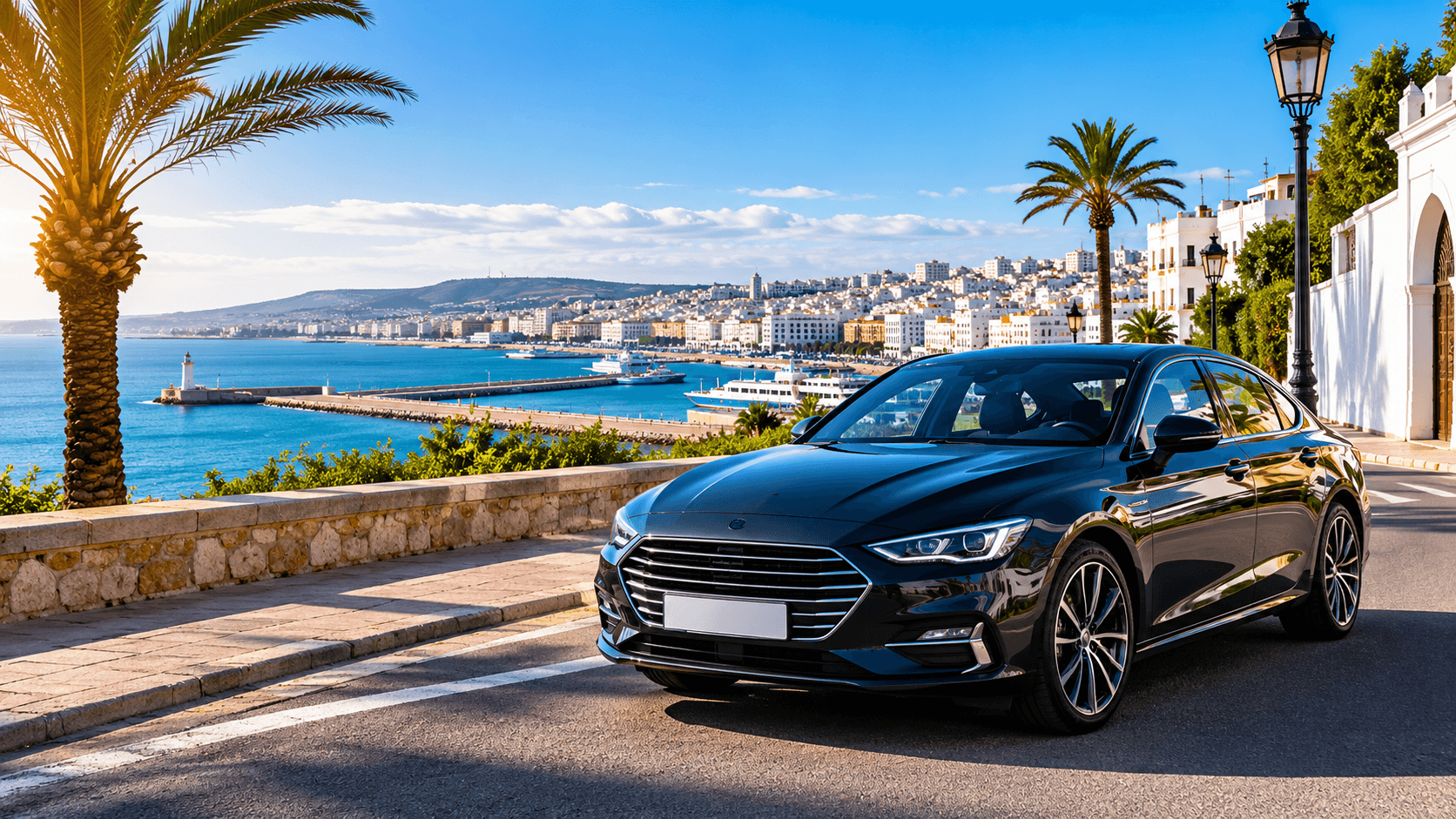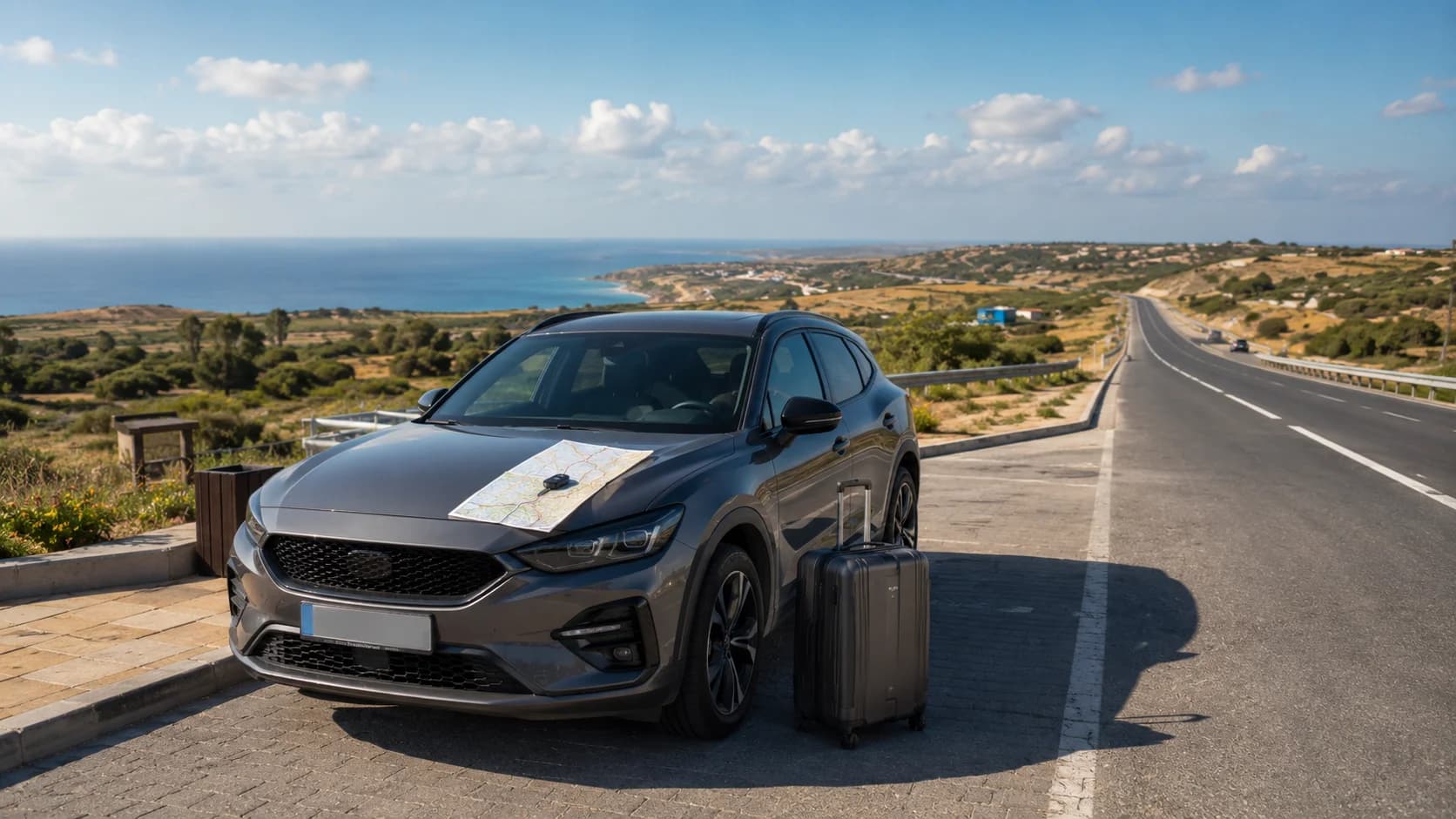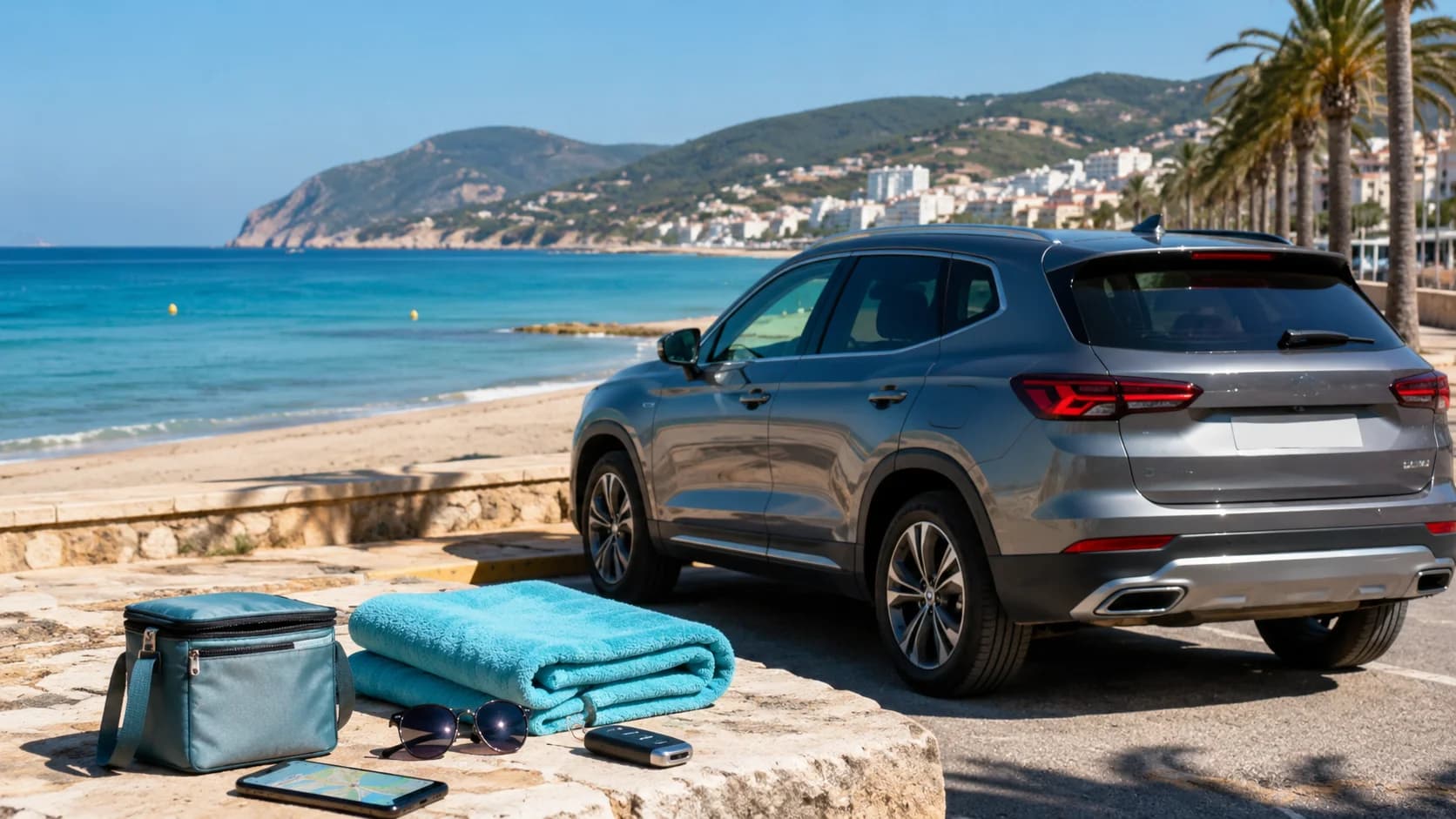


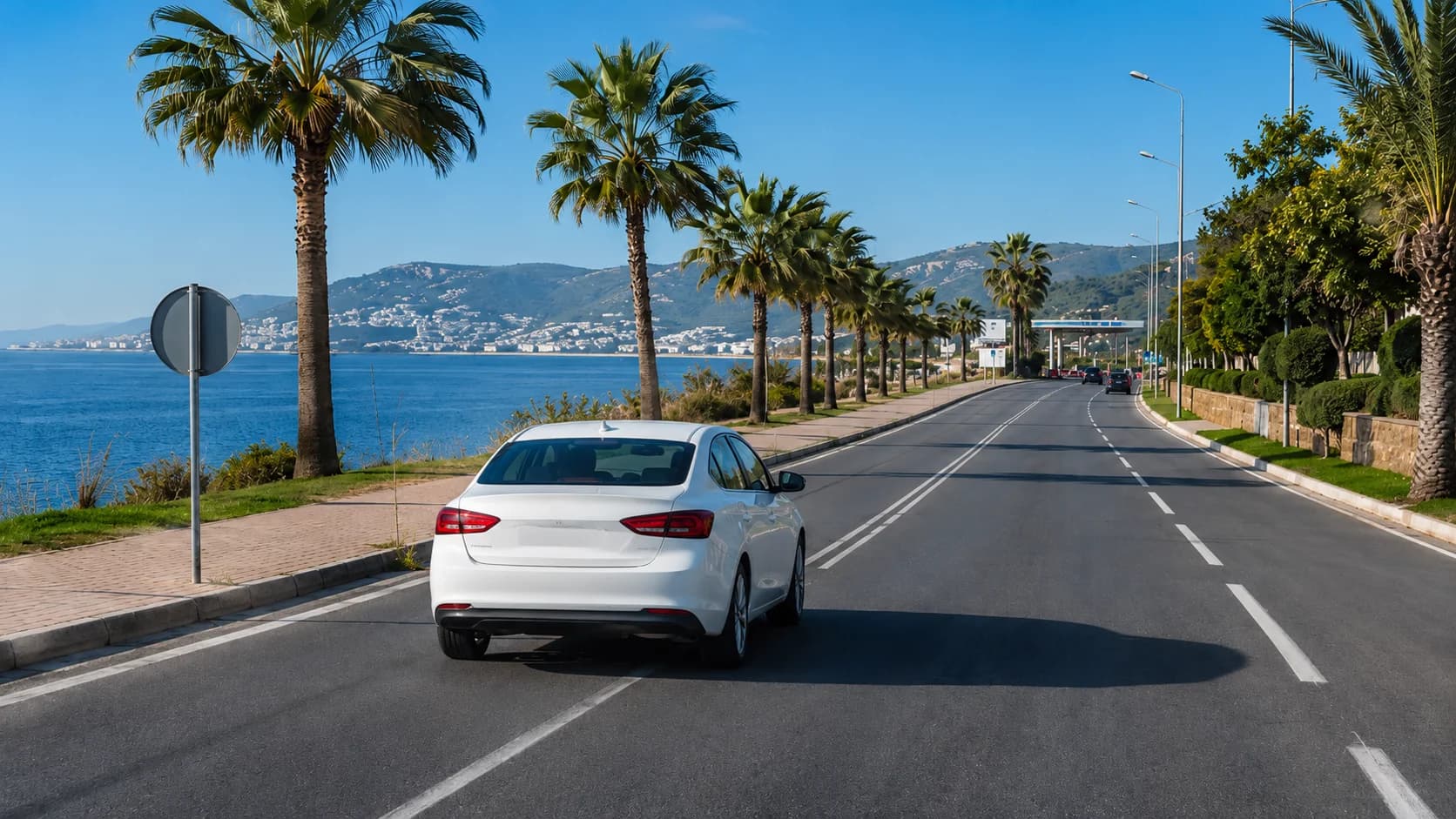
Driving in Morocco for tourists is one of the best ways to explore beyond the city, especially if you start in Tangier. From Tangier, you can reach the beaches of the north coast, the blue streets of Chefchaouen, the road to Tetouan, the Atlantic route toward Rabat and Casablanca, or the mountain roads of the Rif with more freedom than public transport allows.
For first-time visitors, Morocco is generally manageable by car if you understand the rules before you drive. The country drives on the right, road signs use kilometres per hour, police checkpoints are common, and motorway driving is often easier than city driving. The main challenge is not the law itself, but adapting to local traffic habits, scooters, pedestrians, roundabouts, village speed changes and parking customs.
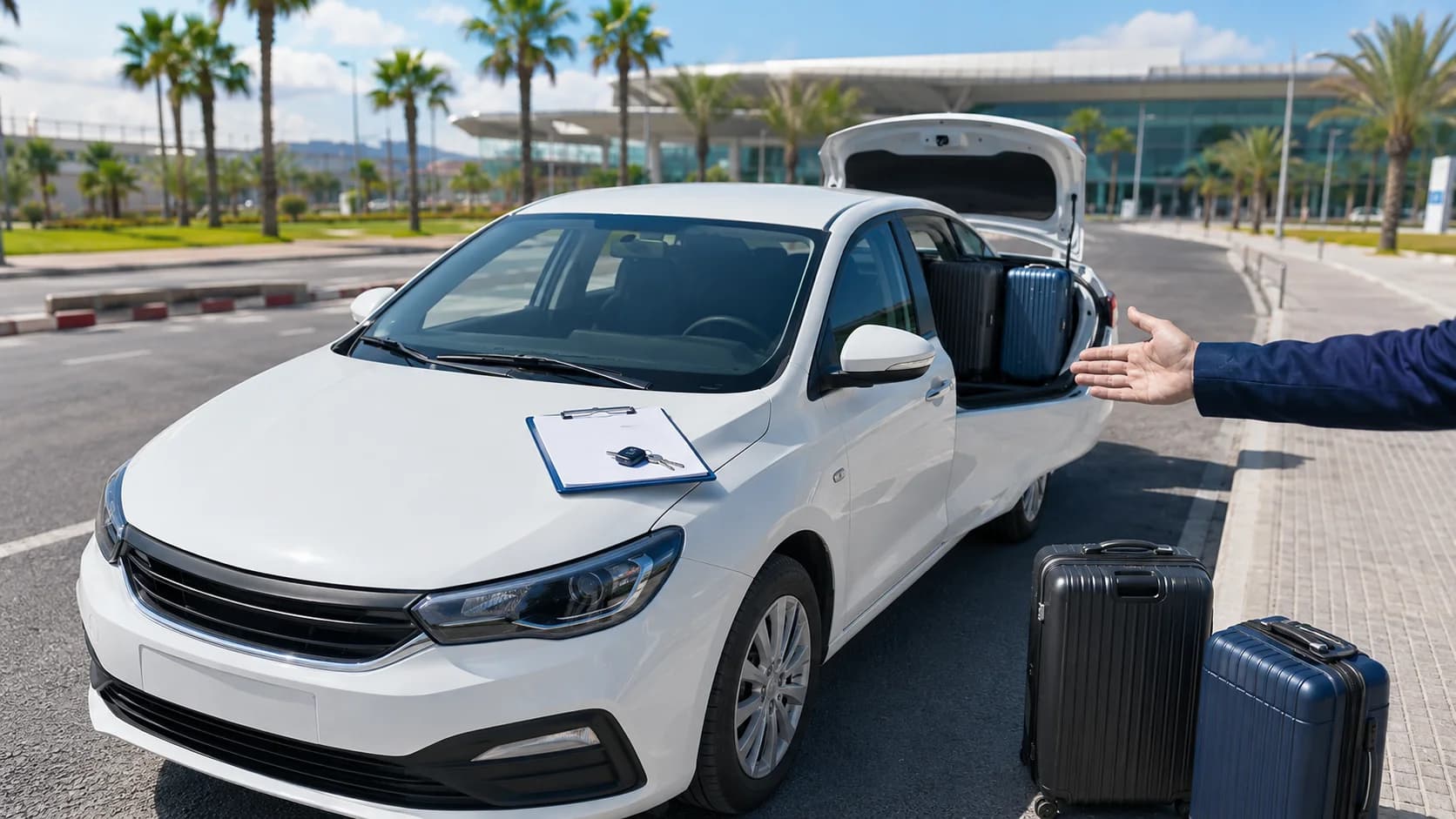
This guide explains the Morocco driving rules that matter most for tourists, with a Tangier starting point. You will learn how speed limits work, what documents to carry, what to expect at checkpoints, how toll roads operate, and which type of car is best for a first trip. For a smoother start, you can also arrange car rental Tangier with airport or ferry pickup before you arrive.
Table of Contents
-
What first-timers should know
-
Driving on the right and basic rules
-
Speed limits by road type
-
Licences and the IDP
-
Police checkpoints explained
-
City vs motorway vs rural roads
-
Fuel, tolls and parking basics
-
Common surprises for tourists
-
Best car for first-timers
-
Pre-drive checklist
-
FAQs
-
Final tips before driving from Tangier
What first-timers should know
The first thing to know is that Morocco is not difficult for a careful driver, but it is different from driving in Northern Europe, North America or the Gulf. You need to drive defensively, watch mirrors often, keep space around the car and expect mixed road users, especially inside cities.
Tangier is a good place to start because it gives you several types of roads in a short distance. You can experience city traffic near the centre, smoother airport roads, coastal drives, national roads toward Tetouan and Chefchaouen, and motorway access toward Rabat or Casablanca. This makes Tangier useful for visitors who want to get comfortable before starting a longer Morocco route.
The best approach is simple: do not rush on the first day. Pick up the car during daylight, check the controls, set your map before moving, and avoid driving straight into the busiest medina streets. If you arrive at Tangier Ibn Battouta Airport or by ferry, choose a clear pickup location and ask for a quick explanation of local road habits before leaving.
For most tourists, the safest plan is to begin with short, simple routes. Drive from the airport to your hotel, from Tangier to Cap Spartel, or from Tangier to Tetouan before attempting longer mountain roads. Once you understand lane behaviour, speed signs, roundabouts and parking attendants, the rest becomes much easier.
Driving on the right and basic rules
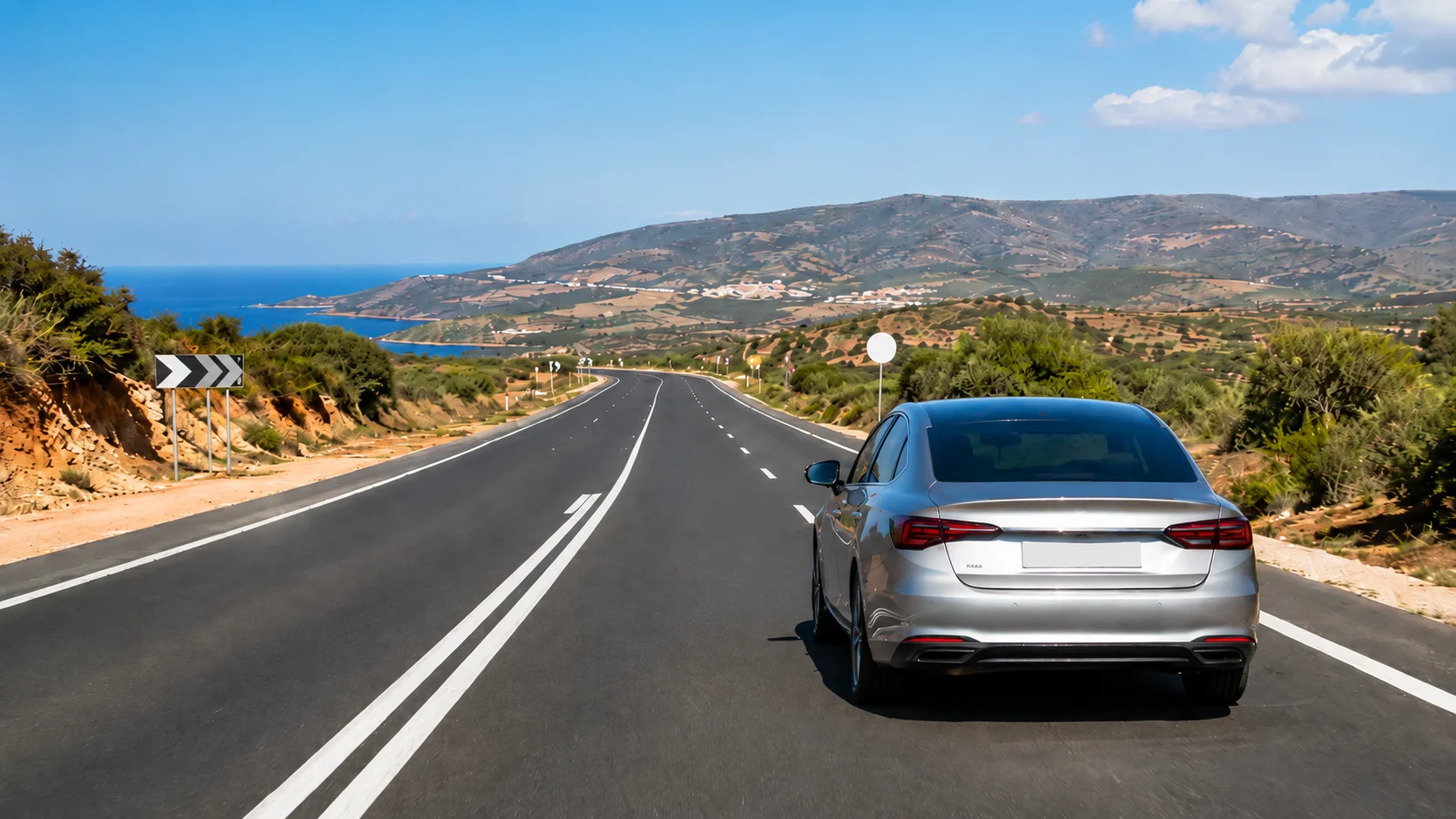
Morocco drives on the right side of the road. Overtaking is on the left, and visitors should be extra careful at roundabouts, junctions and narrow urban streets until the rhythm feels natural. Avis’ Morocco road rules guide also notes that drivers should drive on the right, overtake on the left and give way to traffic from the right at intersections.
Seat belts should be worn by everyone in the vehicle. Do not use a mobile phone while driving unless it is hands-free. Keep both hands free in city traffic because scooters, taxis and pedestrians may move close to the car, especially around markets and old-town areas.
Traffic lights are similar to European systems. Do not turn on red unless a local sign clearly allows it. At roundabouts, slow down early and watch both the lane markings and the behaviour of vehicles already inside the roundabout. In some places, drivers may not follow lanes perfectly, so patience matters more than speed.
Another important Morocco road rule for tourists is document readiness. Keep your driving licence, passport, rental agreement and insurance papers inside the car. You may need them at a police stop, checkpoint or in the unlikely case of an incident. Avis also lists a valid driving licence, registration documents and insurance documents among the items drivers should carry.
Speed limits by road type
Speed limits in Morocco are posted in kilometres per hour, and tourists should always follow the sign in front of them because local limits can change quickly near towns, schools, villages, construction areas or police control zones.
As a general guide, typical Morocco speed limits are:
Urban areas: 60 km/h
Secondary and regional roads: 100 km/h
Motorways: 120 km/h
These standard limits are also listed in Avis’ Morocco road rules guide, which notes 120 km/h on motorways, 100 km/h on secondary or regional roads and 60 km/h in built-up areas. The same guide warns that mobile police speed traps and fixed speed cameras are common.
For tourists, the most important driving tip is to slow down before entering villages. On a rural road, the limit can drop from 100 km/h to 80, 60 or 40 very quickly. Many fines happen because a visitor continues at the open-road speed after passing the first houses of a village.
Around Tangier, be careful on roads toward Cap Spartel, Tetouan and Chefchaouen. Some sections feel open and easy, but speed limits may change because of curves, houses, junctions, pedestrians or local traffic. On the motorway, stay in the right lane unless overtaking, keep distance, and do not treat 120 km/h as a target if traffic, weather or visibility is poor.
Licences and the IDP
Most tourists need to carry their original driving licence when renting and driving in Morocco. A photocopy or phone photo is not enough. Your passport and rental documents should also be easy to reach.
The International Driving Permit, usually called an IDP, is strongly recommended for many visitors. It is especially useful if your licence is not in French, Arabic or English, or if your home authority recommends it. GOV.UK lists Morocco under the 1968 IDP category, which is useful guidance for UK licence holders checking international driving permit rules.
Irish travel advice for Morocco also recommends bringing a full Irish driving licence and an international driving permit, along with adequate insurance. The same advice warns that driving under the influence of alcohol or drugs is against the law.
The safest rule is this: bring your original licence, bring an IDP if your country issues one for Morocco, and confirm requirements with your rental company before travel. Even when an IDP is not always checked, it can make police controls and rental paperwork easier.
Police checkpoints explained
Police checkpoints are normal in Morocco. Tourists sometimes worry when they see officers standing by the road, but most checkpoints are routine. They are used for traffic control, safety checks, document checks and speed enforcement.
When you approach a checkpoint, slow down early. Watch the officer’s hand signal. If they wave you through, continue slowly and calmly. If they ask you to stop, stop safely, lower the window and greet them politely. You may be asked where you are going, where you are coming from, and whether you have your documents.
Keep the conversation simple. Have your passport, driving licence, rental agreement and insurance documents ready. Do not argue, joke about rules or reach suddenly into bags without explaining what you are doing. Most stops are short and professional when everything is in order.
Checkpoints are common around city exits, between provinces, near airports, on roads toward ports, and on intercity routes. From Tangier, you may see them on the way to Tetouan, Chefchaouen, the ferry areas, or the motorway route south. They are part of normal driving in Morocco, not a sign that something is wrong.
City vs motorway vs rural roads
Driving in Moroccan cities requires attention because traffic is mixed. You may share the road with taxis, scooters, delivery bikes, pedestrians, buses, carts and parked cars. In Tangier, the newer roads and main boulevards are easier, while old-town edges and market areas need more patience.
Motorways are usually the easiest roads for tourists. Lanes are clearer, speeds are more consistent, and service areas are useful for fuel, restrooms and coffee stops. If you are driving from Tangier toward Rabat or Casablanca, the motorway is usually more relaxed than taking smaller roads through every town.
Rural roads can be beautiful but less predictable. You may see animals, slow vehicles, people walking on the shoulder, sharp bends, uneven surfaces or sudden speed changes. The road from Tangier toward Chefchaouen is scenic, but the mountain sections need calm driving and regular breaks.
Night driving is possible in cities and on major roads, but first-time visitors should avoid long rural night drives where possible. Lighting can be limited, and pedestrians, animals or slow vehicles may be harder to see. If your ferry or flight arrives late, consider staying in Tangier the first night and starting your road trip the next morning.
Fuel, tolls and parking basics
Fuel stations are common around Tangier, on main roads and at motorway service areas. Most stations offer petrol and diesel, and attendants usually help with filling. Before leaving the pickup point, check which fuel type your rental car uses. Also confirm whether the rental policy is full-to-full, same-to-same or another system.
Moroccan motorways use tolls. You normally take a ticket when entering and pay when exiting, unless you use an electronic pass. Morocco’s motorway operator ADM provides traveller information, toll passage services and the Jawaz electronic toll system on its official website.
Jawaz is Morocco’s electronic toll pass system. ADM lists several ways to recharge a Jawaz pass, including ADM commercial agencies, toll stations, service areas, online recharge, partner banks, mobile payment and local agencies.
For tourists, cash in Moroccan dirhams is still useful at toll booths and parking areas. Keep small notes and coins in the car. Do not rely only on a foreign card, especially for small payments.
Parking in Tangier depends on the area. Modern districts, hotels and shopping areas are easier. Medina-edge parking needs more patience. In many Moroccan cities, parking attendants help drivers find spaces and expect a small fee. Use visible, busy parking areas, remove valuables from sight and avoid leaving luggage in the car for long periods.
Common surprises for tourists
One common surprise is how close other vehicles may come in city traffic. This does not mean you should copy aggressive behaviour. Keep your line, move predictably and avoid sudden reactions.
Another surprise is how quickly road conditions change. A road can move from smooth and open to narrow and busy within a few minutes. Near villages, the safest habit is to lift your foot early and scan both sides of the road.
Tourists are also surprised by scooters. Scooters may pass on either side in traffic, especially near junctions. Always check mirrors before turning, parking or opening a door.
Parking customs can also feel new. A man in a vest or local attendant may guide you into a space and collect a small parking fee. This is common in many areas. Agree calmly, pay a small normal amount, and avoid informal parking in isolated places.
Finally, map apps are useful but not perfect. They may lead you into narrow streets, steep lanes or medina edges. Before following a shortcut, look at the road in front of you. A slightly longer route on a main road is often better than a stressful shortcut.
Best car for first-timers
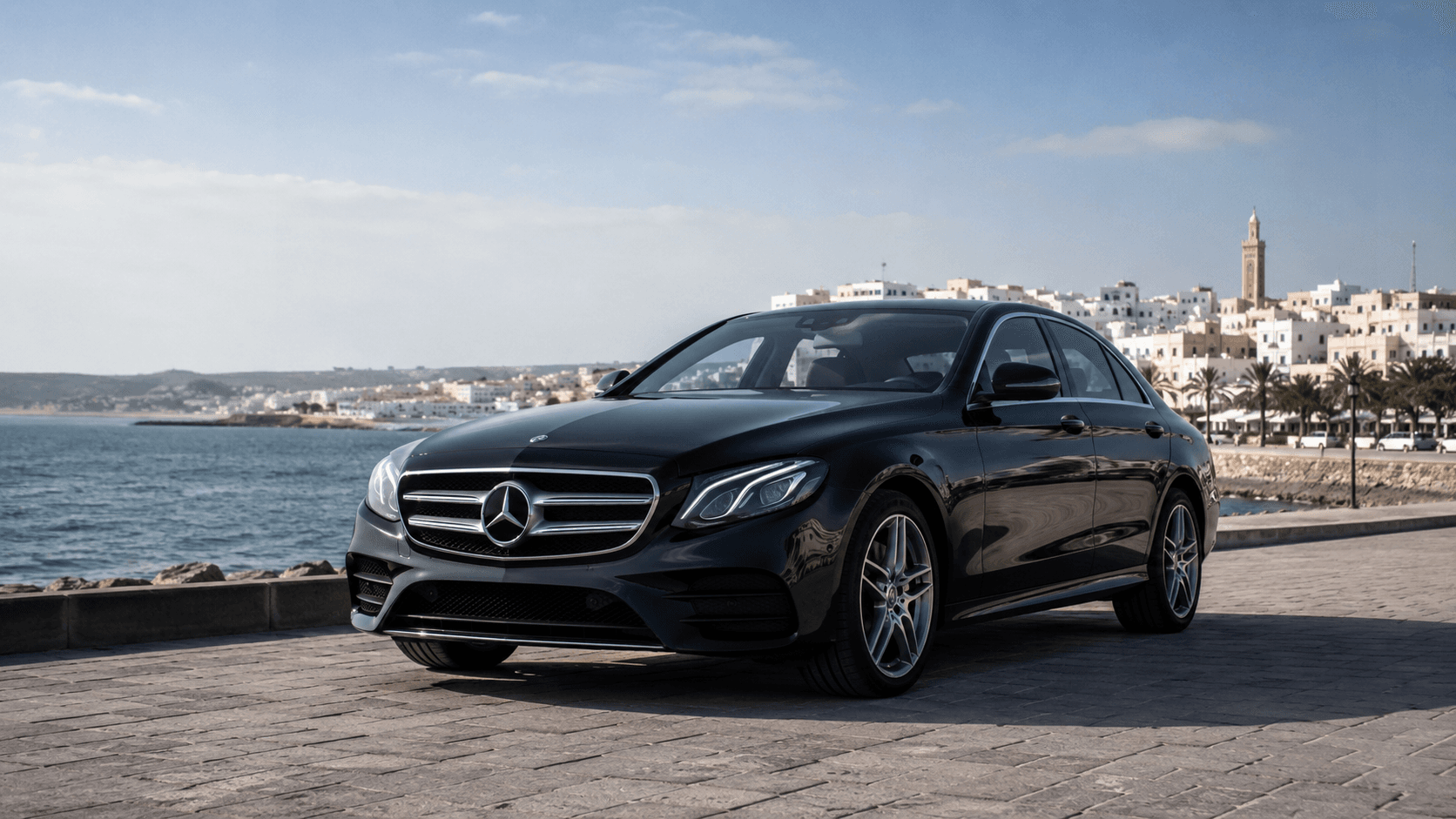
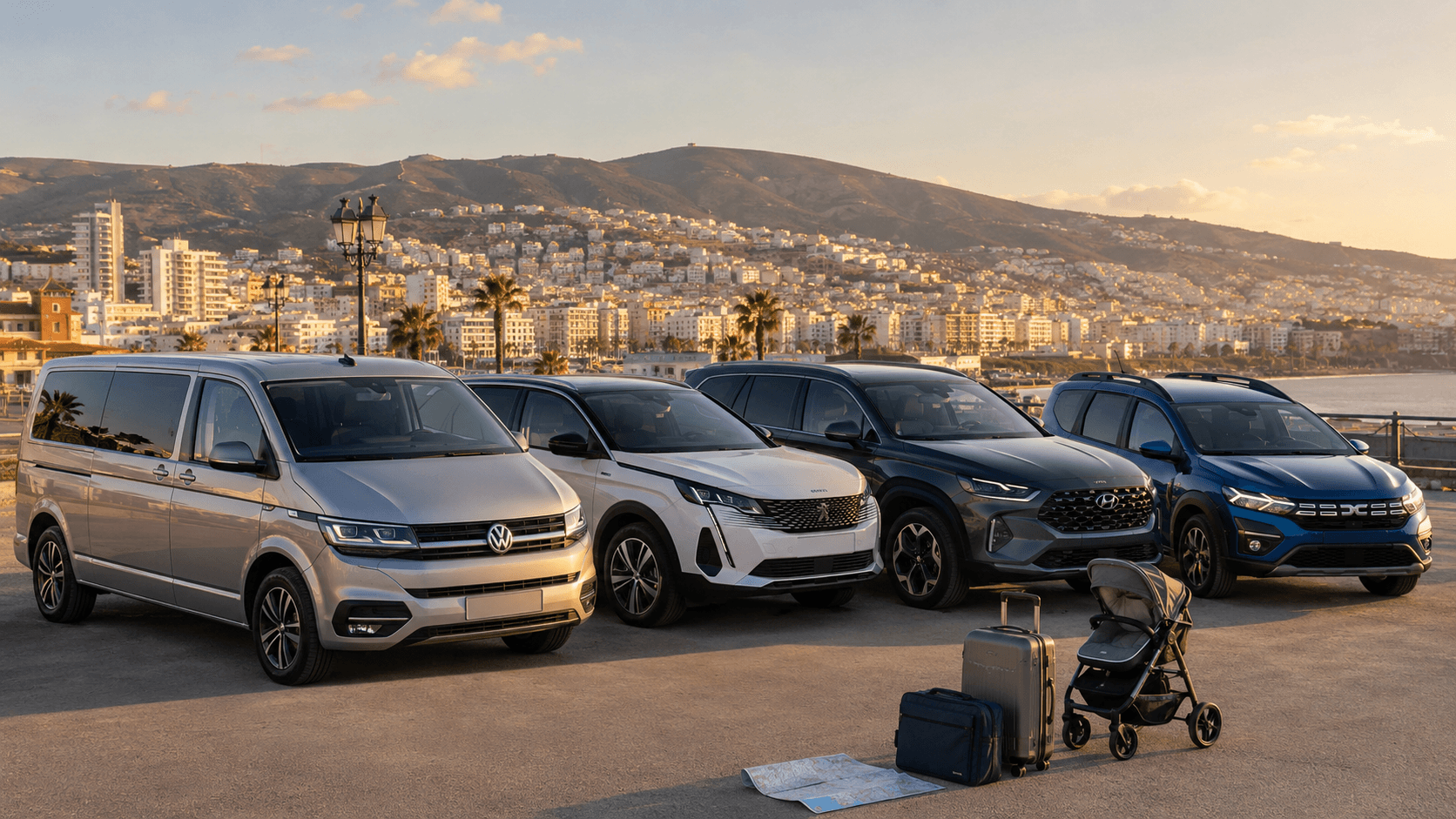
The best car for a first-time visitor depends on your route. If you are staying mostly in Tangier, Tetouan or nearby coastal areas, a sedan is often the easiest choice. It feels stable on main roads, has enough luggage space and is comfortable for airport pickup, hotel delivery and day trips. You can compare sedan rental Tangier options if you want a simple first-time driving experience.
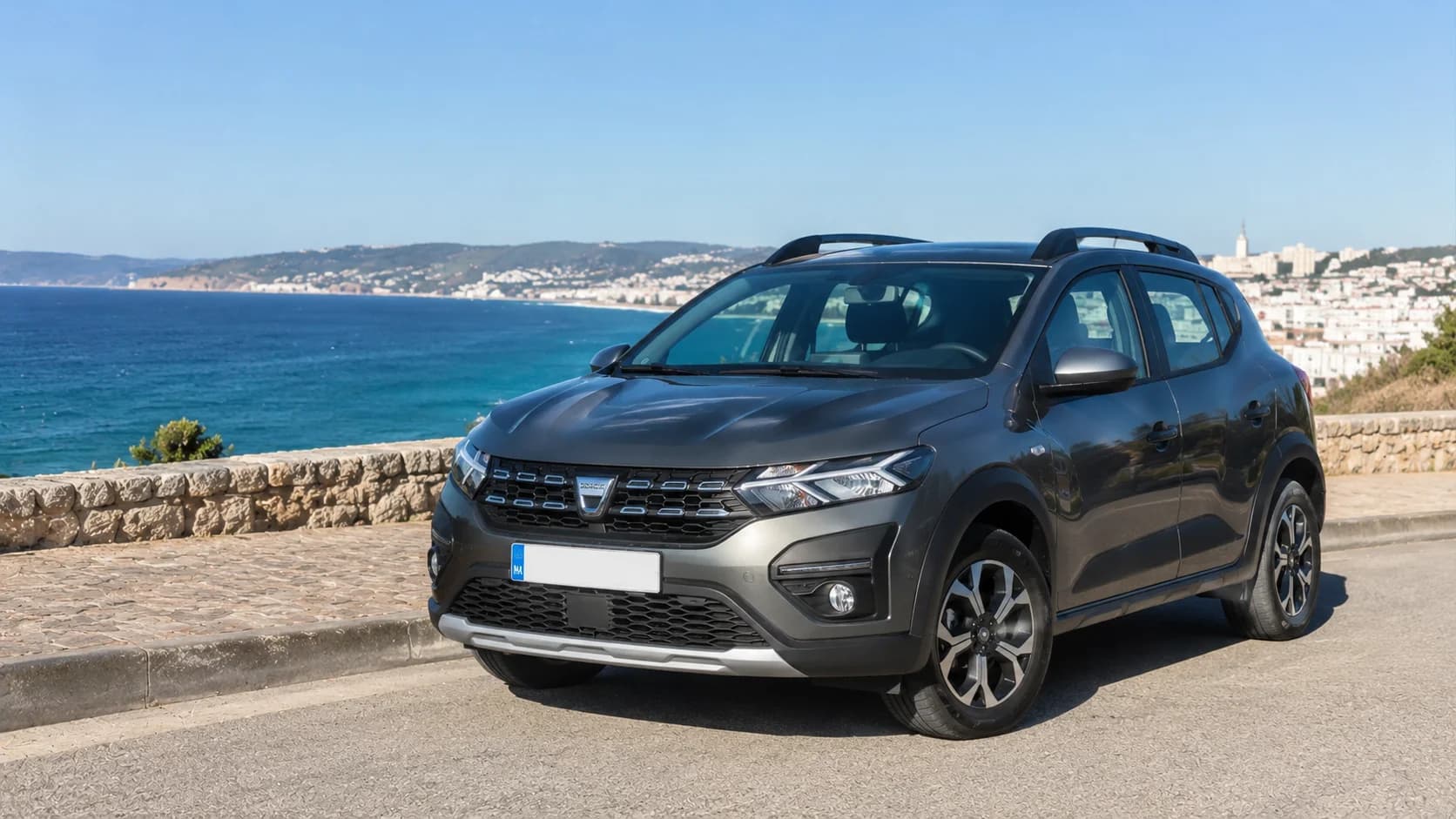
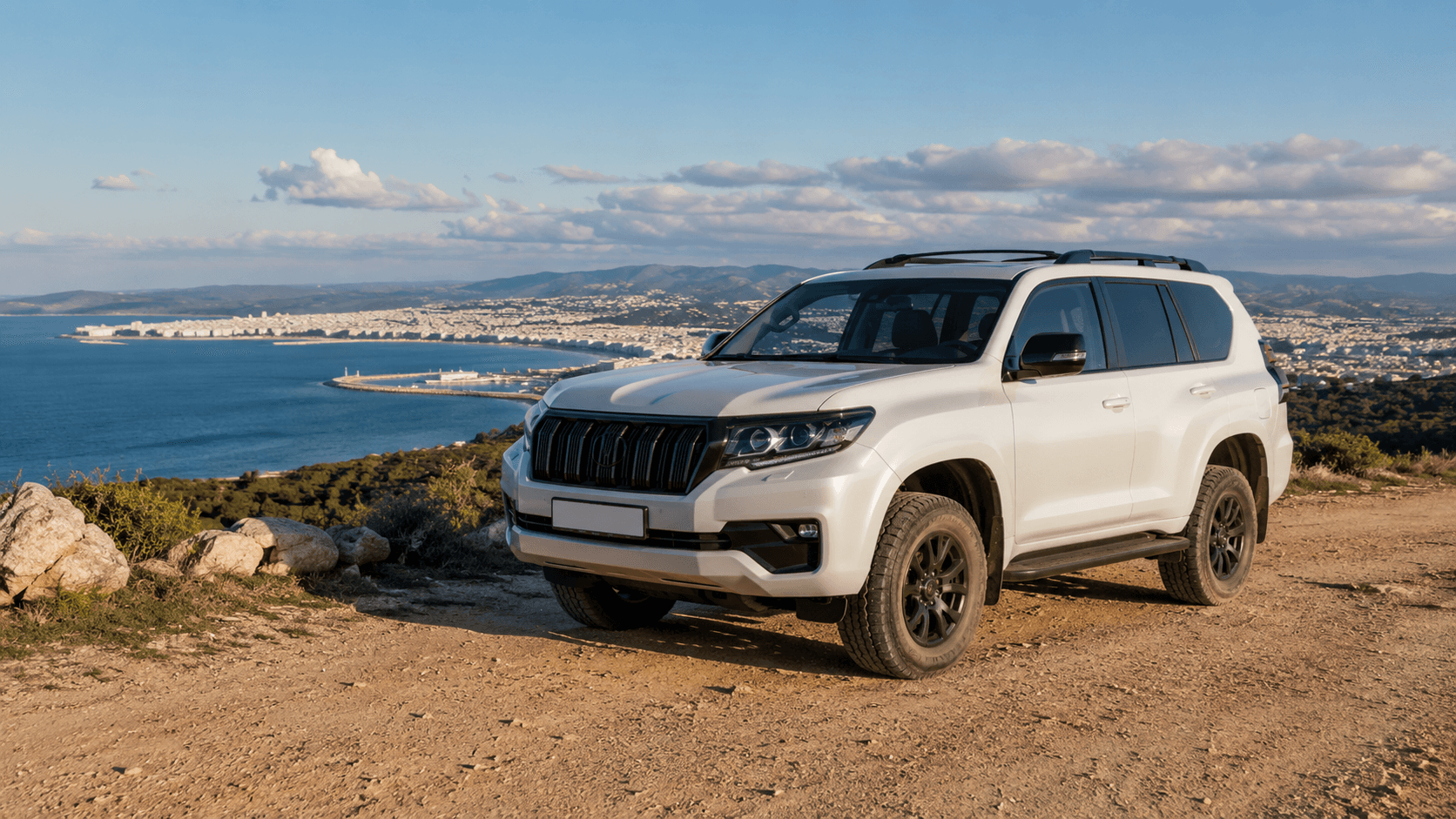
For mountain routes, family luggage, rural roads or longer itineraries, an SUV can feel more comfortable. You do not need an oversized vehicle for most tourist routes, but extra clearance and a higher seating position can help on scenic roads, uneven parking areas or trips toward Chefchaouen and the Rif. For that style of trip, check SUV rental Tangier.
Manual cars are common in Morocco, but automatic cars are easier for many tourists, especially in city traffic or on hills. If you are already nervous about driving in Morocco for the first time, choosing an automatic can reduce stress. Book early because automatic cars may be more limited during peak travel periods.
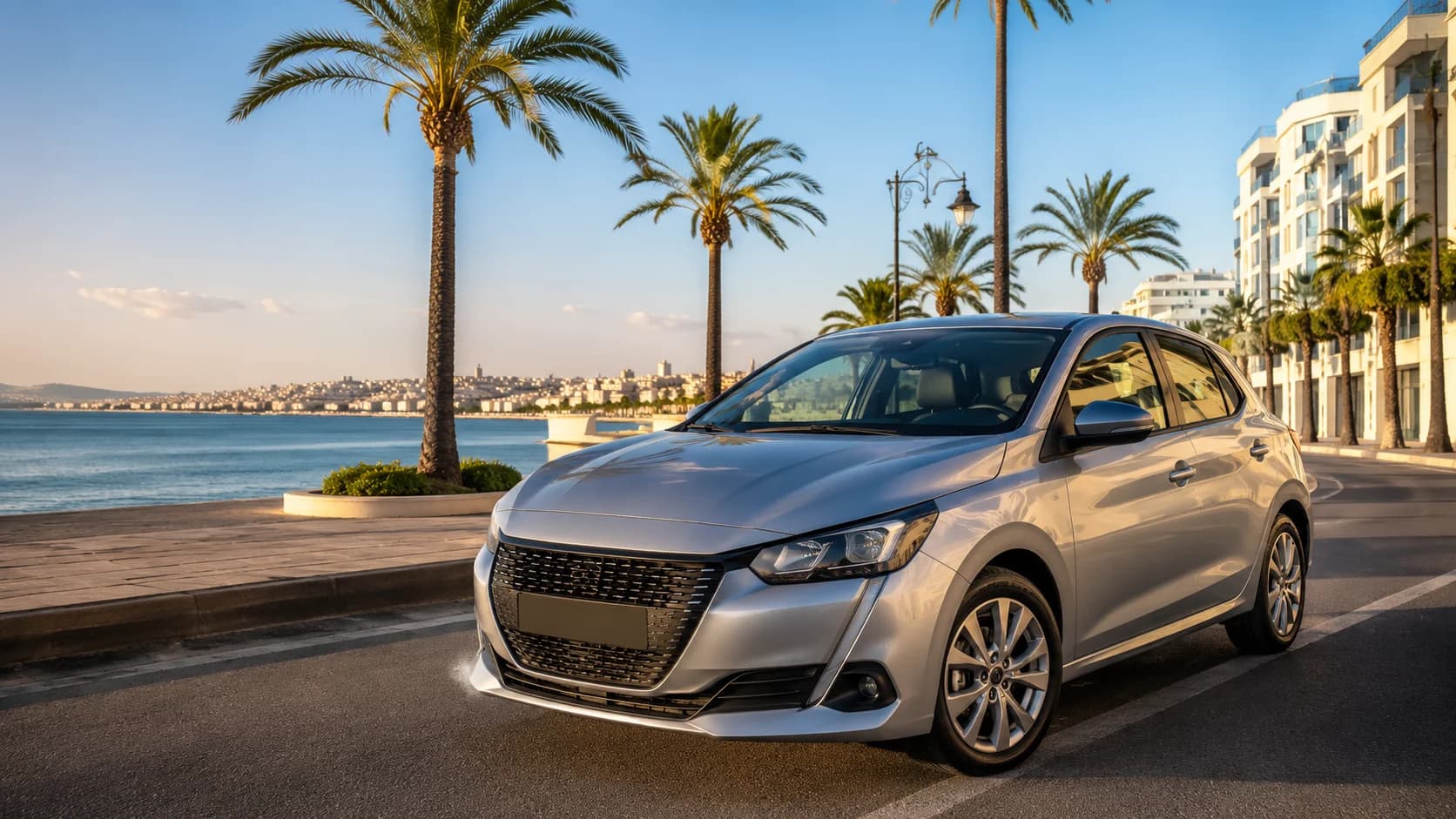
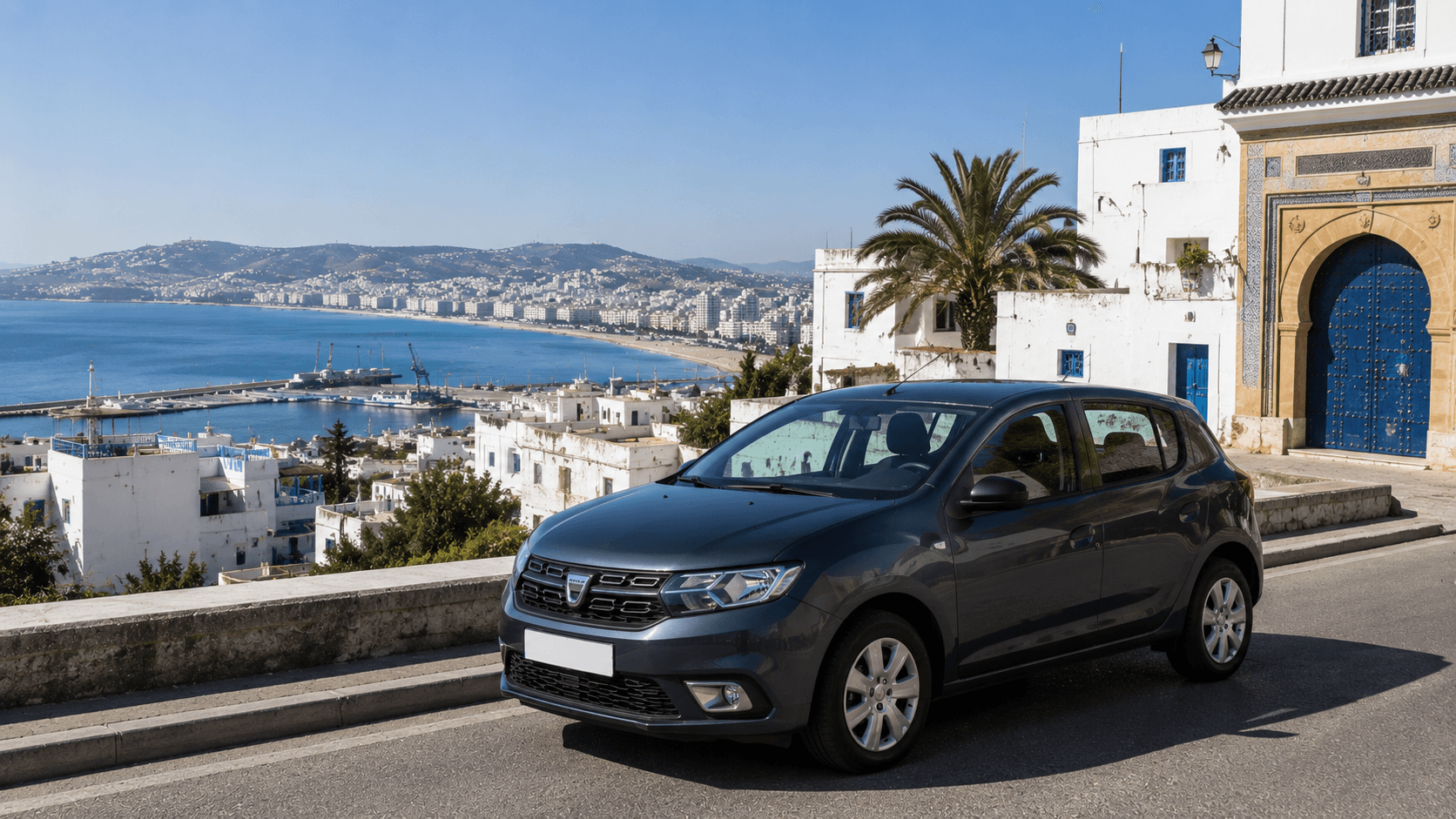
For first-timers, avoid choosing a car that is too large unless you need the seats or luggage space. A compact sedan or medium SUV is usually enough for Tangier, Tetouan, Chefchaouen, Asilah, Larache, Rabat and Casablanca routes.
Pre-drive checklist
Before leaving the pickup point, walk around the car and take clear photos or videos of the body, wheels, glass, mirrors and interior. Confirm fuel level, mileage policy, insurance included, emergency contact, return location and any one-way drop-off rules.
Check that the car has the basic equipment expected for driving, including a warning triangle and reflective safety items. Avis lists a warning triangle, reflective jacket, first aid kit and fire extinguisher as equipment that should be included in the vehicle.
Set your phone map before driving. Avoid holding your phone while moving. If you need to change the route, stop safely first. Save your hotel location, pickup point and return location in advance.
Make sure you understand the gear selector, headlights, hazard lights, fuel cap, handbrake, mirror controls and air conditioning before entering traffic. This matters more than it sounds, especially after a long flight or ferry crossing.
Also confirm local support. With MarHire Car Tangier, visitors can arrange clear pickup instructions, full insurance, no deposit on standard cars, and 24/7 multilingual support. That helps first-time drivers because you know who to contact if your flight is delayed, your plans change or you need help understanding a route.
FAQs
Is it safe for tourists to drive in Morocco?
Yes, many tourists drive safely in Morocco every year. The key is to drive defensively, respect speed limits, avoid rushed decisions, and start with simple routes before attempting mountain roads or busy city centres.
What side of the road does Morocco drive on?
Morocco drives on the right side of the road. Overtaking is on the left. Visitors from left-driving countries should take extra care during the first hour, especially at roundabouts and junctions.
What are the speed limits in Morocco?
Typical limits are 60 km/h in built-up areas, 100 km/h on secondary or regional roads and 120 km/h on motorways. Always follow posted signs because limits can change quickly near towns, villages and checkpoints.
Do you need an International Driving Permit in Morocco?
An IDP is strongly recommended for many tourists and may be required or requested depending on your licence country, language and rental company. UK guidance lists Morocco under the 1968 IDP category.
What happens at police checkpoints?
Slow down, follow the officer’s signal, stop if asked, and show your passport, driving licence, rental contract and insurance documents if requested. Most checks are routine and quick.
Is driving in Morocco difficult for foreigners?
It can feel busy at first, especially in cities, but it becomes easier once you understand local traffic flow. Motorways are usually straightforward. Rural and mountain roads require more patience.
Are Moroccan motorways good?
Moroccan motorways are usually the easiest roads for tourists because they have clearer lanes, service areas and more predictable traffic. They are tolled, so keep cash or a suitable payment method ready.
How do you pay tolls in Morocco?
Tourists usually pay tolls at booths when exiting the motorway. ADM also operates the Jawaz electronic toll system, which allows vehicles with a pass to move through toll stations more easily.
Can you use a foreign licence in Morocco?
Tourists should carry their original foreign driving licence. An IDP is recommended, especially if your licence is not in French, Arabic or English, or if your home country advises it.
What is the best car for a first-time visitor?
A sedan is usually best for city, airport and motorway routes. An SUV is better for families, luggage, mountain roads or longer trips from Tangier toward Chefchaouen, Tetouan or rural areas.
Final tips before driving from Tangier
Driving in Morocco for tourists is much easier when you prepare before the first kilometre. Start in daylight, carry the right documents, respect speed limits, slow down near villages, and treat checkpoints as normal. Use motorways for long-distance comfort and choose a car size that matches your real route, not just your travel mood.
From Tangier, a rental car gives you excellent freedom. You can plan coastal stops, blue-city day trips, mountain routes and intercity travel without waiting for fixed transport schedules. The best experience comes from choosing a reliable local pickup, understanding the basic road rules and keeping your first day simple.
Drive Morocco with confidence from your first day. Every MarHire Car Tangier rental includes full insurance and 24/7 multilingual support, with no deposit on standard cars.