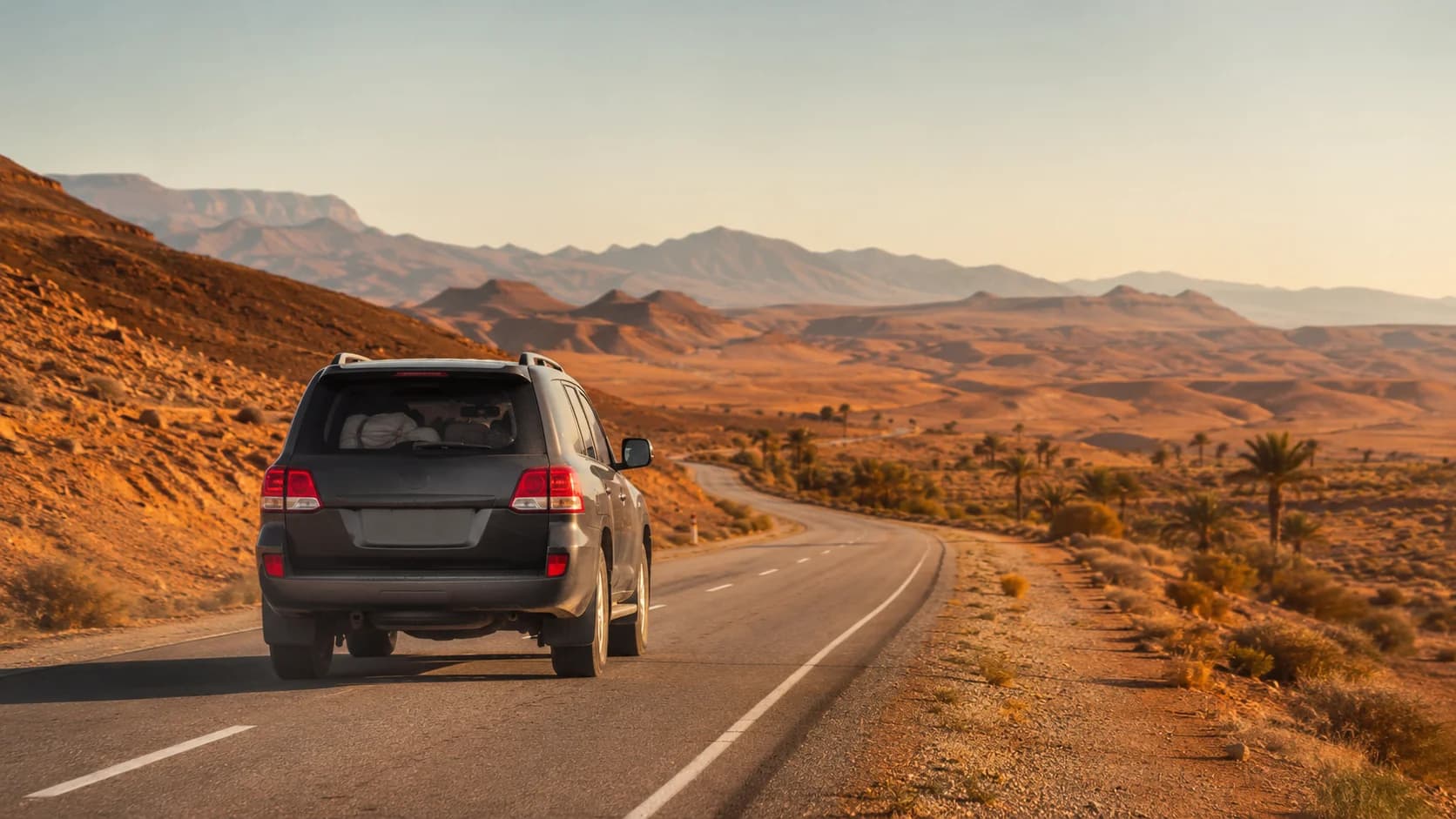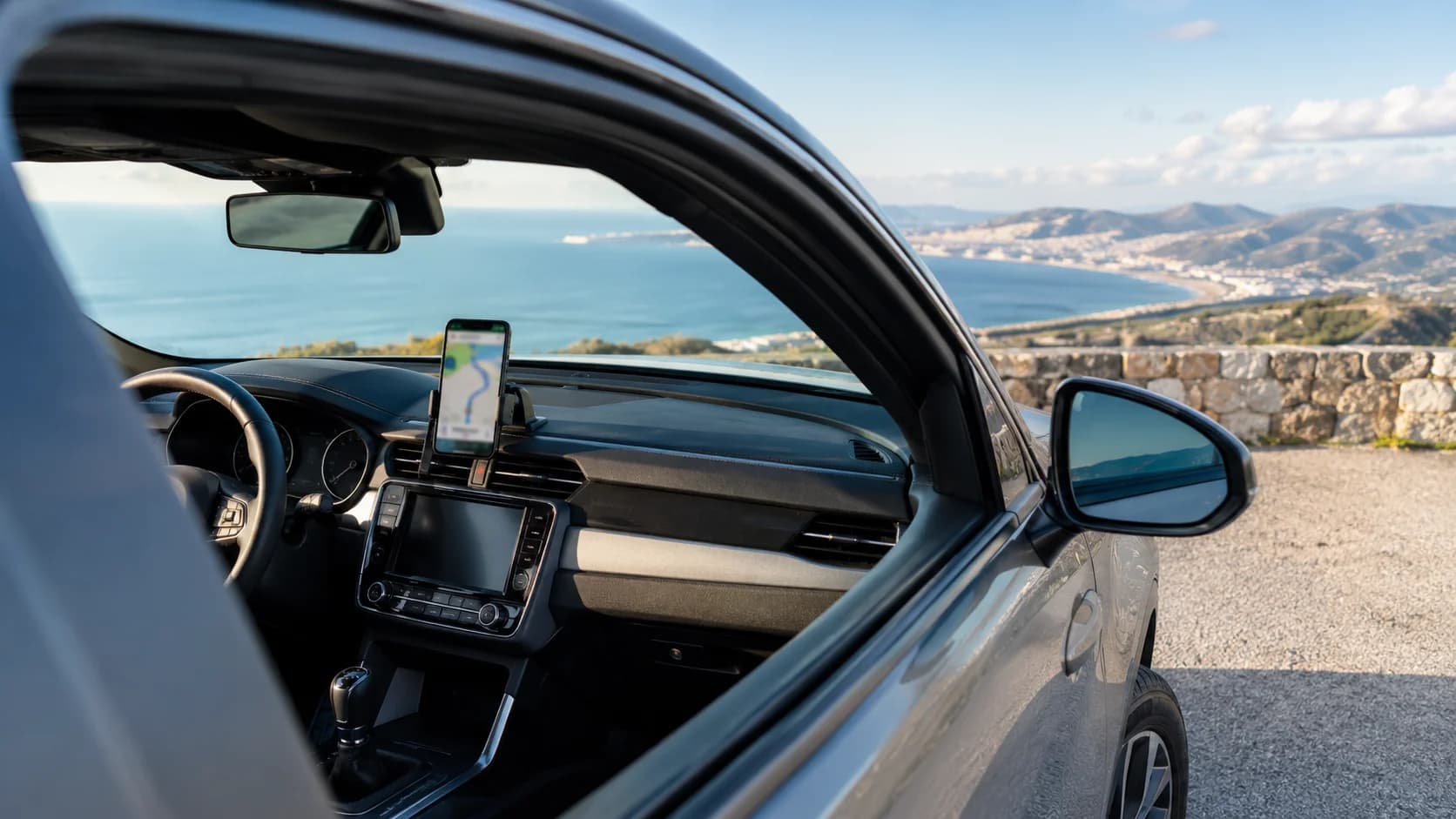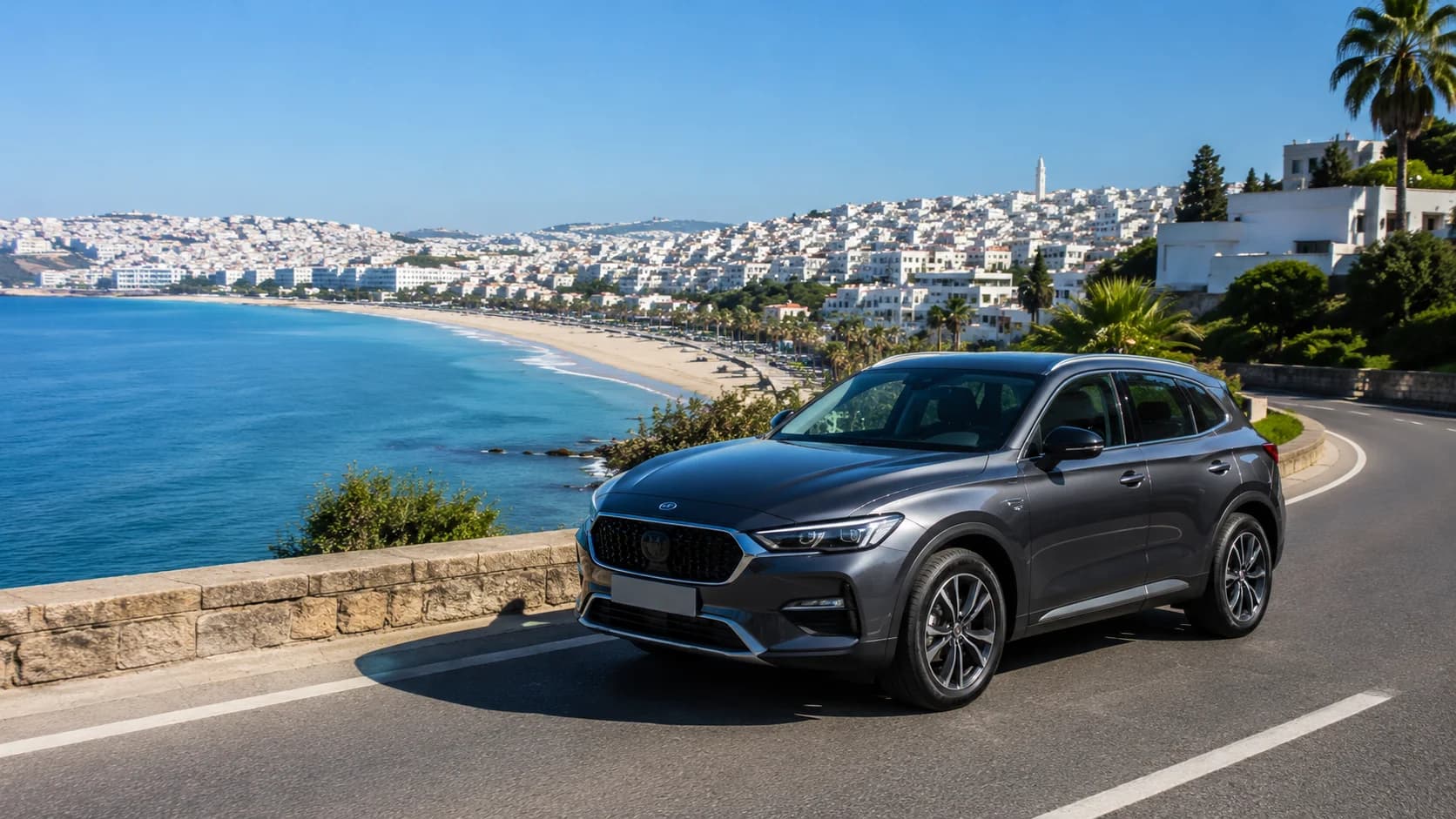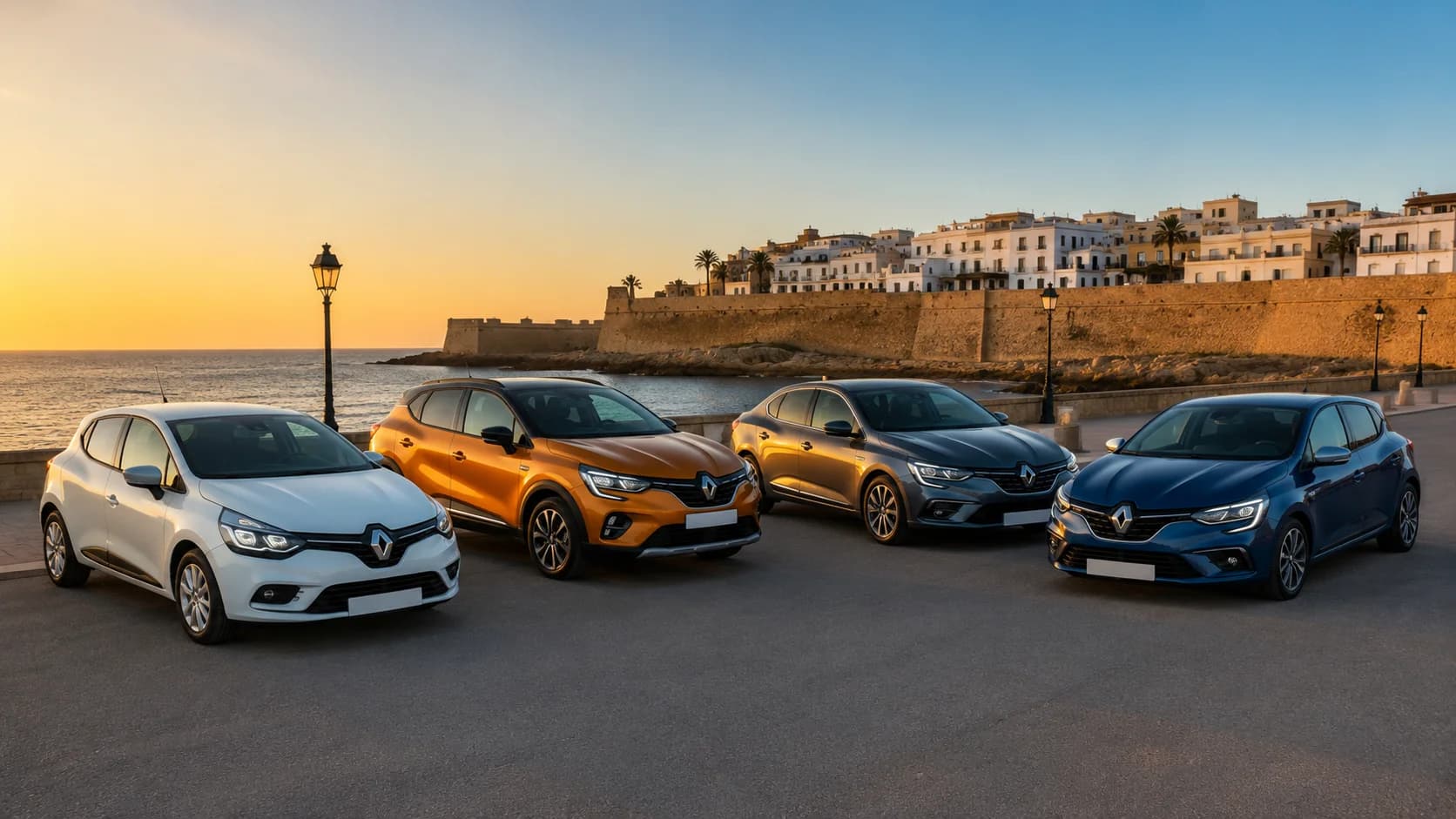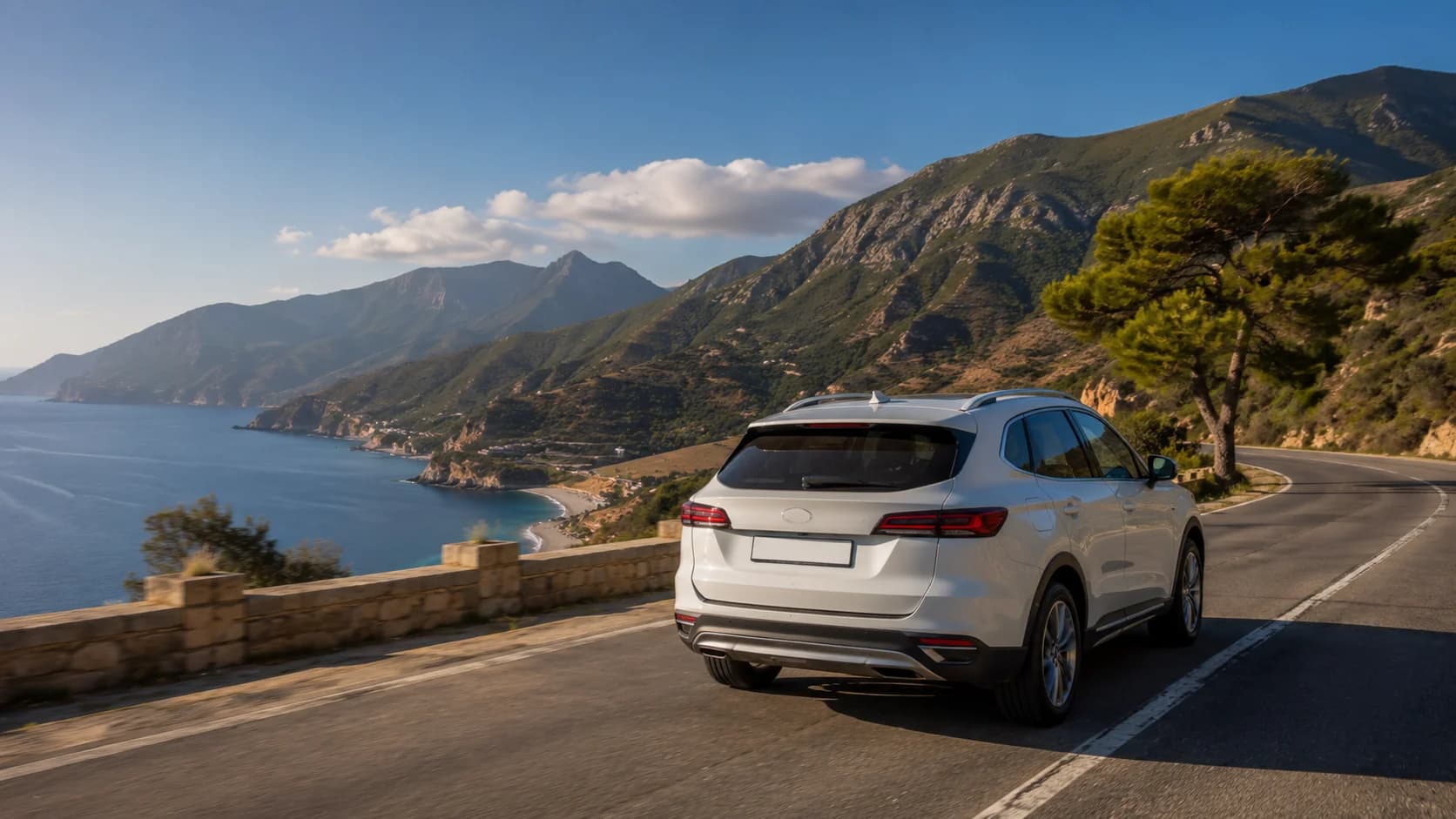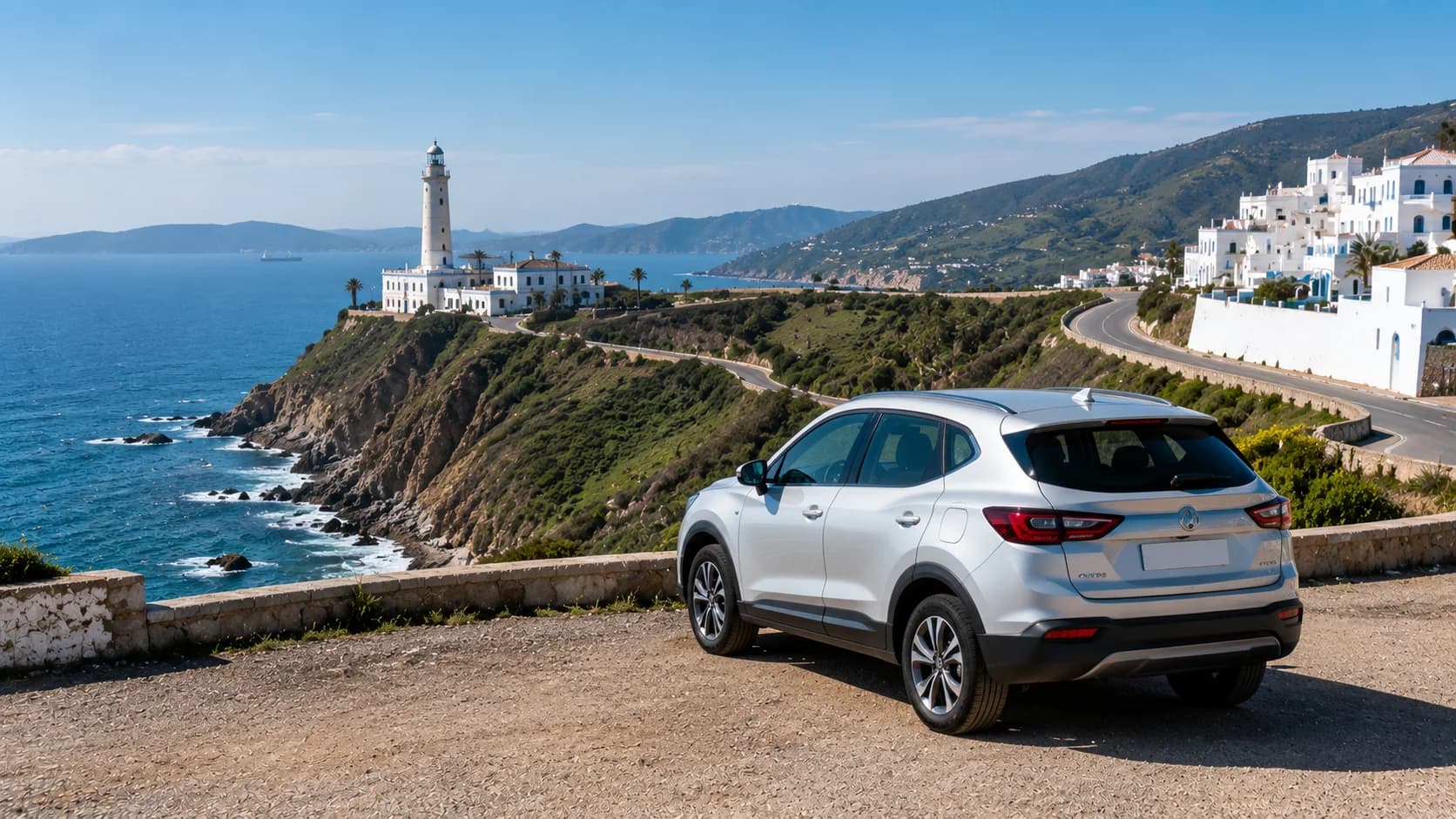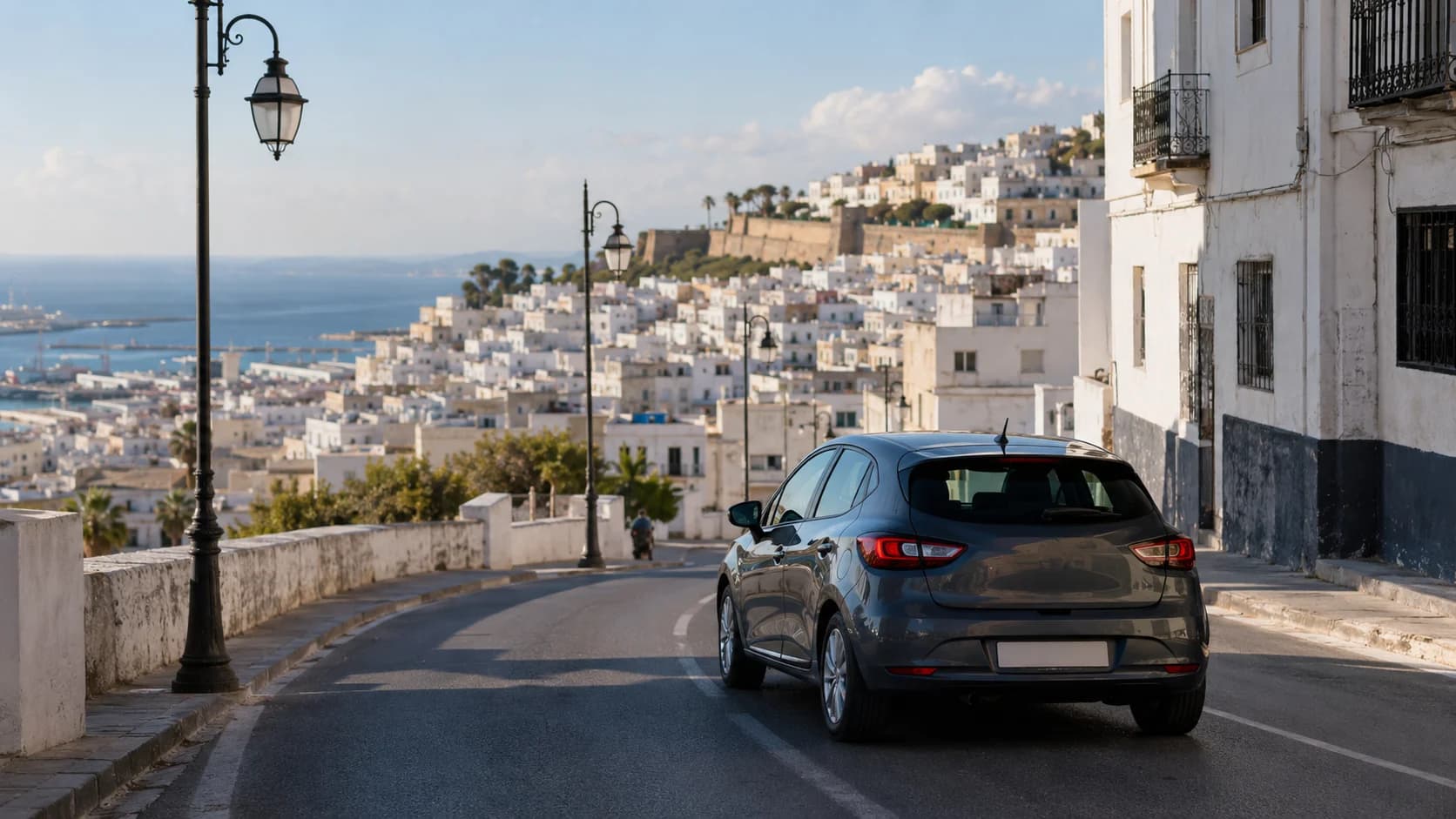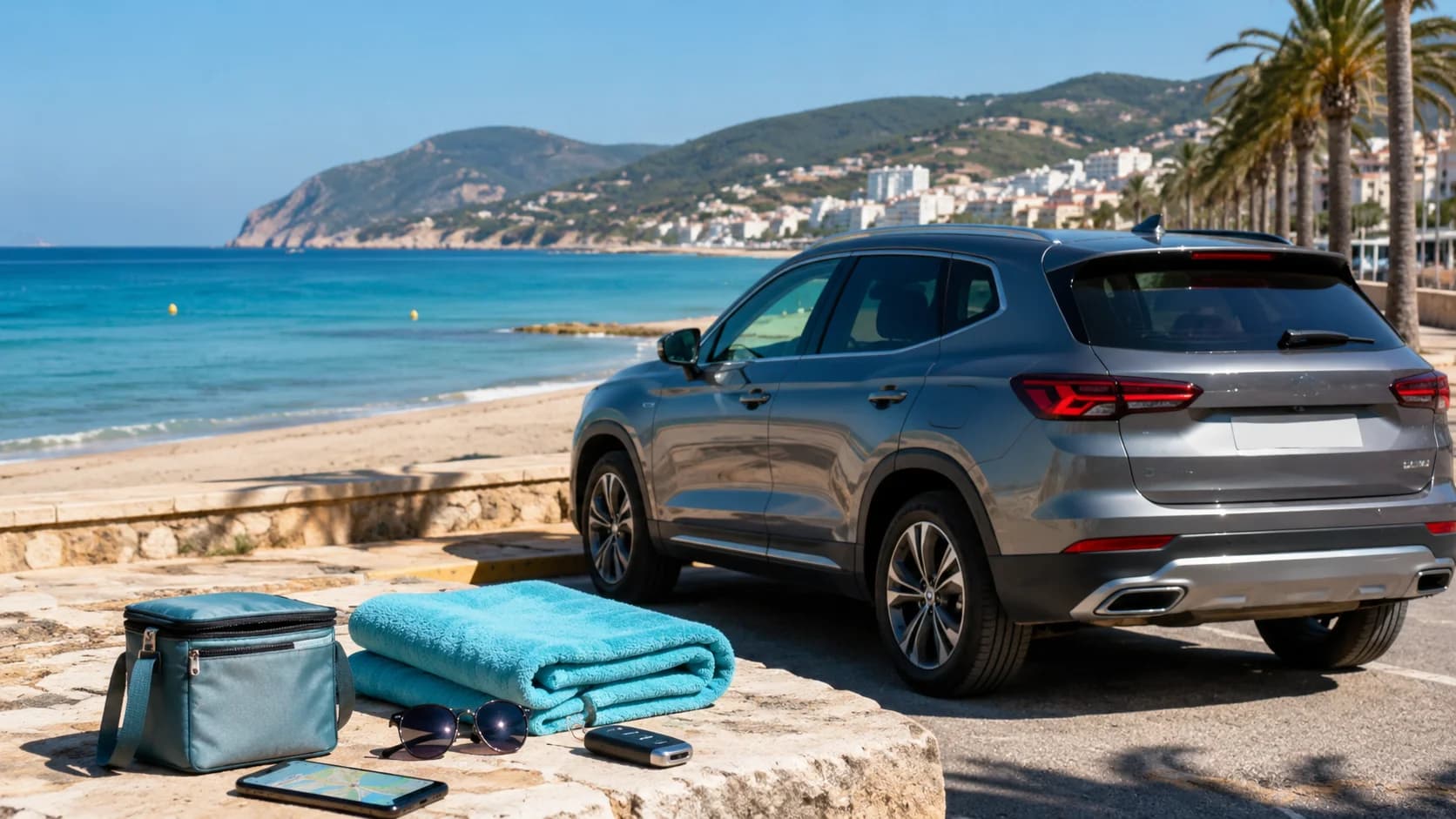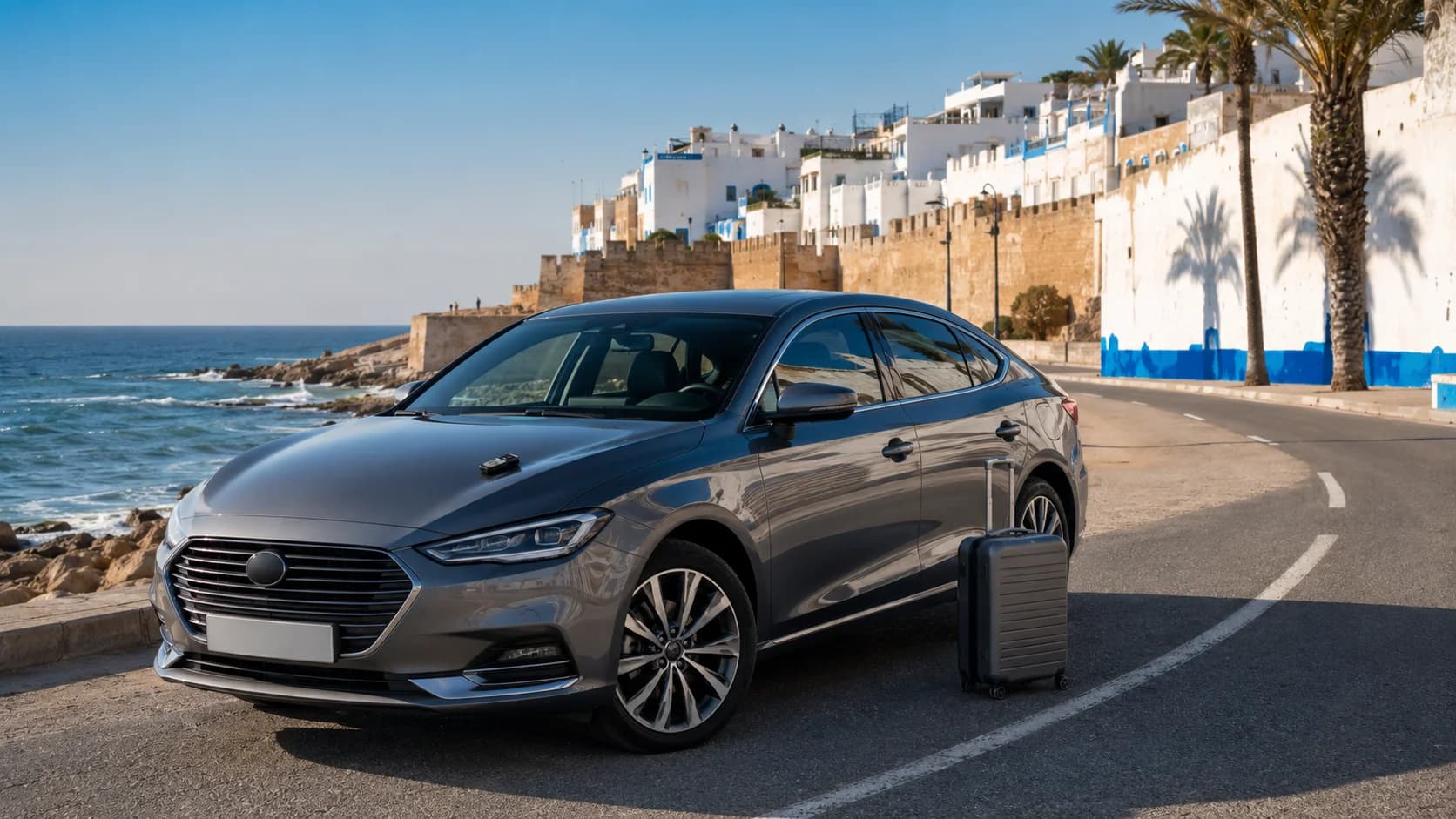








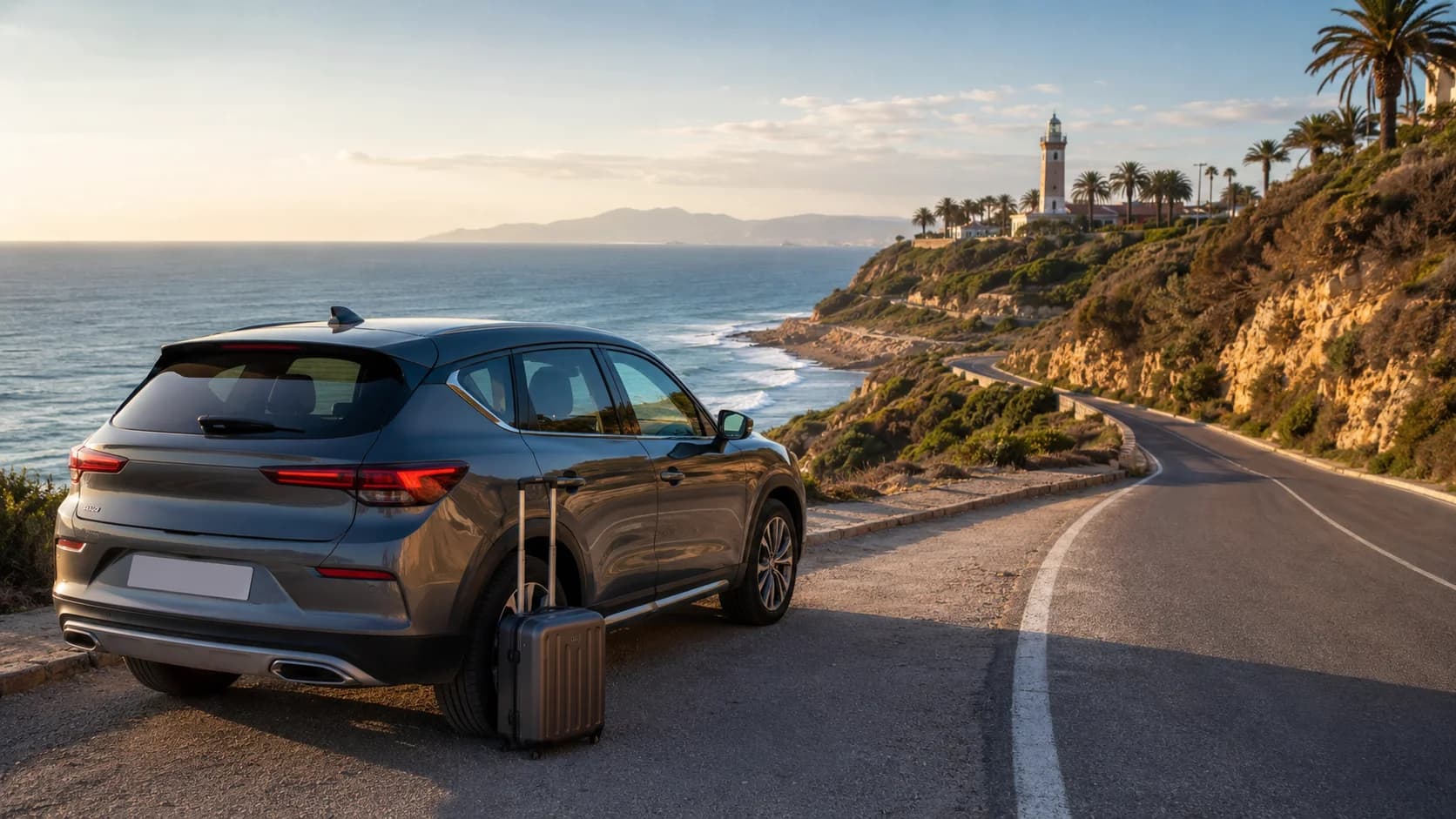
Cap Spartel from Tangier is one of the easiest and most scenic short drives in northern Morocco. In less than half a day, you can leave the city, follow the coast toward the Atlantic, stop at the famous lighthouse, visit the Caves of Hercules, see the Africa-shaped opening in the rock, and return through forest, beach and cliffside viewpoints. The loop is short, flexible and ideal for travelers who want a self-drive plan without committing to a full-day road trip.
Table of Contents
-
The drive on Tangier's doorstep
-
Tangier to Cap Spartel: the N16 route
-
Where the Atlantic meets the Mediterranean
-
The Caves of Hercules and the "map of Africa"
-
Entry fees and parking
-
Perdicaris (Rmilat) Park and the macaques
-
Café Hafa and Achakkar Beach
-
Best car for the coastal loop
-
Best time of day to go
-
Plan your Cap Spartel loop
-
FAQs
The drive on Tangier's doorstep
Tangier is not only a medina, port and city-break destination. One of its best experiences is just outside the urban center: the coastal drive to Cap Spartel and the Caves of Hercules. The route gives you a quick change of scenery, from city streets to forested slopes, Atlantic viewpoints, sandy beaches and dramatic cave openings.
This is why the loop works so well by car. You are not tied to a taxi waiting time, a bus schedule or a rushed group tour. You can stop when the light is good, spend extra time at the caves, pause for mint tea, continue to Achakkar Beach, or return before the city traffic gets heavier.
For most travelers, this is not a difficult road trip. It is a short local route, suitable for couples, families and first-time visitors who want a relaxed self-drive experience near Tangier. The key is to avoid rushing it. Cap Spartel and the Caves of Hercules can be seen quickly, but the full loop feels better when you give yourself time for views, photos, parking and a calm return.
Tangier to Cap Spartel: the N16 route
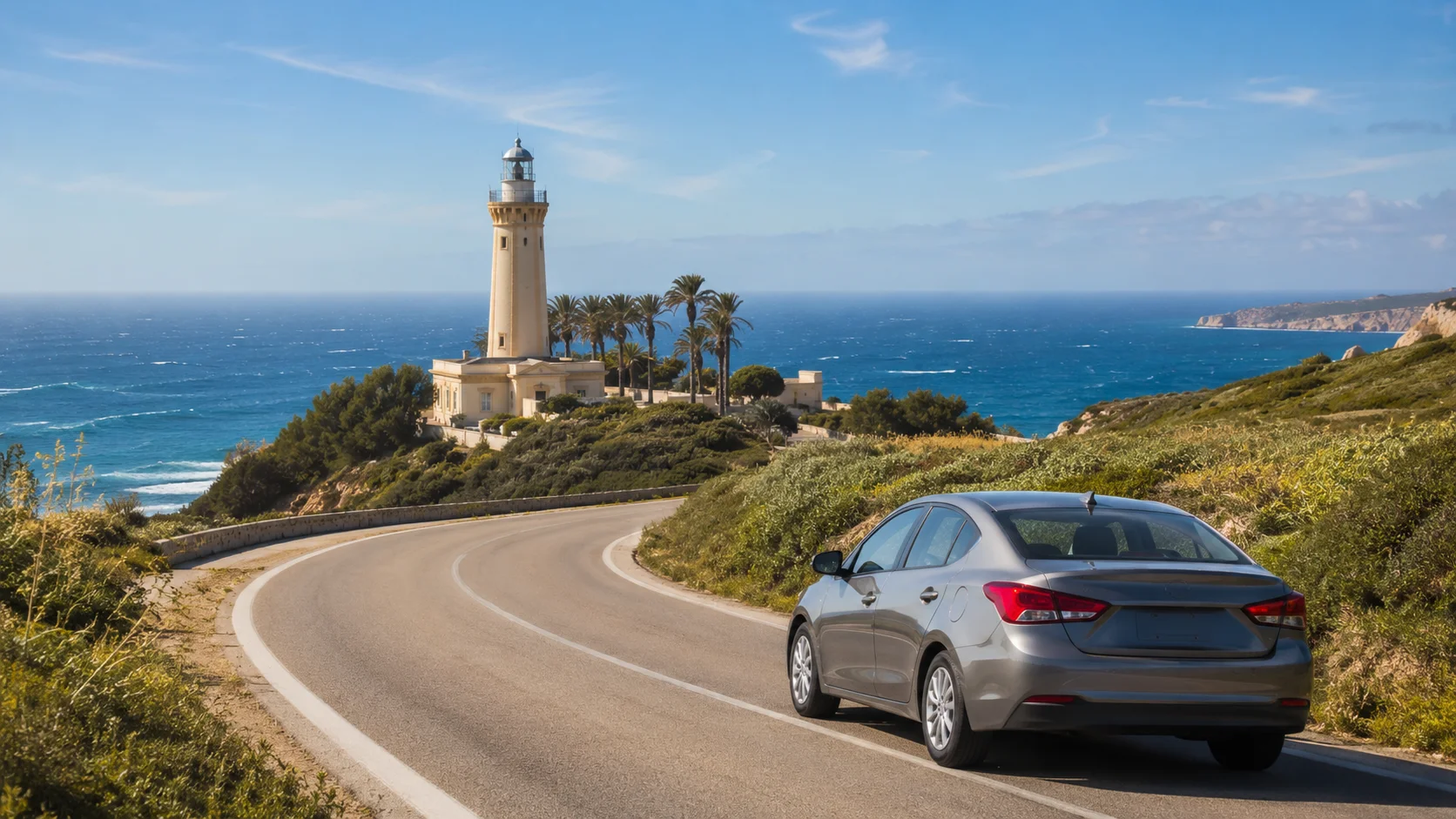
The drive from central Tangier to Cap Spartel is usually around 14 km, depending on your starting point. From the medina, kasbah, city center or Corniche area, you generally follow the western road out of Tangier toward the Cap Spartel area, then continue toward the lighthouse and the Atlantic side.
Navigation is simple: set your first stop as Cap Spartel Lighthouse, then continue to the Caves of Hercules. The route is paved, scenic and manageable, but the final approach can feel busier on weekends, holidays and sunset hours. Expect local traffic, tour vehicles, taxis, pedestrians near attractions and parked cars around viewpoints.
A smooth plan is to leave Tangier after breakfast, visit Cap Spartel first, then continue to the Caves of Hercules. Another option is to leave later in the afternoon and time Cap Spartel for sunset. The second plan is more atmospheric, but parking can be busier and the return drive may be darker.
If you are renting a car in Tangier for several days, this loop is an easy first drive before longer routes to Asilah, Chefchaouen or Tetouan. It helps you get used to local roads without going too far from the city.
Where the Atlantic meets the Mediterranean
Cap Spartel is famous because it sits at the northwestern edge of Morocco, near the meeting point of the Atlantic Ocean and the Mediterranean Sea. The view is the main reason to go. On clear days, the water, cliffs, lighthouse and sky create one of the most memorable panoramas near Tangier.
The lighthouse is the landmark everyone recognizes. It gives the cape its postcard look and makes the stop feel more than just a viewpoint. Even if you do not enter the lighthouse area, it is worth stopping nearby for the sea view and photos.
Do not expect a huge attraction that takes hours to explore. Cap Spartel is more about atmosphere: the wind, the horizon, the light, the road, the cafés and the feeling of being at the edge of two seas. That is why self-driving works so well here. You can stay ten minutes or one hour, depending on the weather and your mood.
For photography, stand back and include the lighthouse, palm trees and coastline in the frame. Late afternoon gives warmer light, while mornings are calmer and usually easier for parking.
The Caves of Hercules and the "map of Africa"
The Caves of Hercules Tangier are the second essential stop on the loop. The caves are close to Cap Spartel, usually around a short drive away, and they are one of the most visited natural sites near Tangier.
The famous feature is the sea-facing opening often called the “map of Africa.” From inside the cave, the rock opening frames the ocean in a shape that many visitors compare to the outline of the African continent. This is the photo most people come for, but the cave is also interesting because it mixes natural erosion, local legend and traces of human use.
The visit itself is usually short. Many travelers spend around 20 to 45 minutes inside, depending on crowds and photo stops. The busiest moments can feel rushed, especially when tour groups arrive at the same time. If you want calmer photos, go earlier in the day or outside peak sunset hours.
The cave floor can be uneven and slightly damp in places, so wear comfortable shoes. Keep an eye on children near steps, railings and crowded viewpoints. The sea opening is beautiful, but it is not a swimming access point. Treat it as a viewpoint and stay inside marked visitor areas.
Entry fees and parking
Entry fees around Cap Spartel and the Caves of Hercules can change, so it is best to treat online prices as guidance, not a fixed promise. For the Caves of Hercules, recent visitor information often places adult entry around the 60 to 80 MAD range, but prices can vary by season, visitor category, ticket type or site policy.
Cap Spartel may also have paid access if you enter specific lighthouse, garden or museum areas. If you only stop for outside views and nearby cafés, your cost may be limited to parking or refreshments. Before visiting, you can check the official Khadamat Culture ticket page for the Caves of Hercules and the Cap Spartel Lighthouse heritage profile for background on the lighthouse.
Bring small cash in Moroccan dirhams. Card payment is not always the easiest option for parking attendants, small cafés or local ticket counters. Parking near the Caves of Hercules and Cap Spartel is usually available, but it can fill up during weekends, school holidays and sunset. Expect informal or paid parking in busy areas, and ask the price before leaving your car if an attendant is present.
A practical tip: do not park where you block traffic or narrow access roads. Choose a visible, normal parking area, remove valuables from sight, and keep your rental documents and phone with you.
Perdicaris (Rmilat) Park and the macaques
Perdicaris Park, also known as Rmilat Park, is a good nature stop to add before or after Cap Spartel. It gives the coastal loop a greener side, with forest paths, shaded areas and views over the surrounding landscape. If the cape feels windy or crowded, Rmilat can feel calmer and more relaxed.
Some visitors may hear about animals or macaques around the wider Tangier and northern Morocco travel scene. If you do see macaques or any wild animals around roadside or tourist areas, do not feed them, touch them or encourage them to approach the car. Keep distance, take quiet photos only if it is safe, and never leave food visible near open windows.
The best reason to add Rmilat is not wildlife chasing. It is the pause. The park works well if you are traveling with family, want a short walk, or need a break between city sightseeing and the Atlantic coast. A hatchback is enough for this stop, but an SUV can feel more comfortable if you are carrying bags, children’s items or beach gear.
Café Hafa and Achakkar Beach
Café Hafa is not directly at Cap Spartel, but it fits perfectly into the same Tangier coastal mood. It is one of the city’s classic sea-view tea stops, especially if you want to begin or end the loop with a local Tangier atmosphere. Many travelers prefer to visit Café Hafa before driving out, or after returning toward the city.
Achakkar Beach is closer to the Caves of Hercules and makes more sense as part of the actual coastal loop. It is a good stop if you want sand, sea air and a slower moment after the cave visit. In summer, it can be busy and parking can take more patience. Outside peak beach season, it is often easier to enjoy as a viewpoint or walking stop.
Swimming depends on conditions. The Atlantic side can have waves, wind and currents, so do not treat every beach as automatically safe for swimming. Look at local conditions, follow signs, and avoid entering rough water. For many visitors, the best experience is simply walking on the sand, taking photos and enjoying the open coastline.
Best car for the coastal loop
You do not need a large vehicle for Cap Spartel by car. The road is paved, the distance is short and most standard cars can handle the route easily. The best choice depends on your group size, comfort needs and whether this loop is part of a longer Tangier itinerary.
For budget travelers, a cheap car rental Tangier option is usually enough. It keeps the trip affordable and makes sense if you are mostly driving between Tangier, Cap Spartel, the caves and nearby beaches.
For couples or solo travelers, a hatchback rental Tangier is easy to park and practical for narrow city streets before and after the loop. It is also a good choice if you plan to stay mainly around Tangier.
For families, beach stops or travelers who want more comfort, an SUV rental Tangier can feel better. You get higher seating, more luggage space and a smoother feeling on uneven parking areas near beaches and viewpoints.
Automatic cars are useful if you do not want to think about gears in traffic. Manual cars are usually more budget-friendly and common in Morocco. For this particular loop, comfort and easy parking matter more than power.
Best time of day to go
The best time to visit Cap Spartel depends on what you want from the trip. Morning is best for calmer roads, easier parking and clearer planning. If you want to visit the Caves of Hercules without heavy crowds, morning is usually the safest choice.
Late afternoon is best for atmosphere. Cap Spartel is known for sunset, and the light over the water can be beautiful. The downside is that more people have the same idea. Parking around the lighthouse, caves and beach areas can be busier, and the return to Tangier may include more evening traffic.
For families, morning or early afternoon is usually easier. For couples or photographers, late afternoon is more scenic. For summer visits, avoid the hottest middle part of the day if you plan to walk around the beach or park.
A good balanced plan is to leave Tangier around 9:30 or 10:00, visit Cap Spartel, continue to the Caves of Hercules, stop at Achakkar Beach, then return for lunch or tea. A sunset plan can start around 16:00, but always check daylight time and avoid rushing the return.
Plan your Cap Spartel loop
Here is a simple self-drive itinerary:
Start in Tangier city center or your hotel. Drive first to Cap Spartel Lighthouse and stop for the viewpoint. Allow 20 to 40 minutes depending on photos, café time and parking.
Continue to the Caves of Hercules. Allow 30 to 60 minutes for parking, ticketing, the cave visit and photos of the Africa-shaped opening.
Add Achakkar Beach if you want a beach stop. This can be a quick 15-minute photo break or a longer pause if the weather is good.
Return through Rmilat Park if you want a green stop before heading back into Tangier. If you prefer a classic Tangier finish, drive back toward the city and stop at Café Hafa for tea and sea views.
For a half-day loop, plan around 3 to 4 hours total. For a slower version with beach, park and café stops, allow 5 hours. Keep small cash, water, sunglasses and a phone charger in the car. Check fuel before you leave, although the route is short.
The most scenic short drive in Tangier is easy to enjoy on a whim. Pick up a cheap or SUV rental from MarHire Car Tangier, choose your route, and loop the cape with no deposit options, unlimited kilometers on most rentals, and local WhatsApp support.
FAQs
How far is Cap Spartel from Tangier?
Cap Spartel is around 14 km from Tangier, depending on where you start in the city. From central Tangier, the drive is short and usually takes less than 30 minutes in normal traffic.
How long is the drive to Cap Spartel?
The drive usually takes around 20 to 30 minutes from central Tangier. Add extra time for weekends, sunset hours, beach traffic and parking near the lighthouse or caves.
How much is entry to the Caves of Hercules?
Entry fees can change. Recent visitor information often places the adult ticket around 60 to 80 MAD, but you should check at the official counter on arrival and bring cash in Moroccan dirhams.
Is there parking at the Caves of Hercules?
Yes, parking is usually available near the Caves of Hercules, but it can become busy during weekends, holidays and sunset. Ask the parking price before leaving your car if an attendant is present.
Is Cap Spartel worth visiting?
Yes. Cap Spartel is worth visiting because it combines a short drive from Tangier, Atlantic views, the lighthouse, nearby caves, beaches and a scenic coastal atmosphere.
Can you swim at the beaches near Cap Spartel?
You can swim at some nearby beaches when conditions are safe, but the Atlantic side can be windy with waves and currents. Always check local conditions and avoid rough water.
Can you walk between Cap Spartel and the caves?
It is possible for active travelers, but it is not the easiest option for everyone. The distance between Cap Spartel and the Caves of Hercules is several kilometers, and a car is more practical if you want to include beach and park stops.
What is the best time to visit Cap Spartel?
Morning is best for easier parking and fewer crowds. Late afternoon is best for views and sunset, but it is usually busier.
Do you need a car for Cap Spartel?
You do not strictly need a car because taxis and tours are available, but a rental car gives you more freedom. It is the best option if you want to visit Cap Spartel, the caves, Achakkar Beach, Rmilat Park and Café Hafa at your own pace.
What is the Africa-shaped opening in the cave?
The Africa-shaped opening is the famous sea-facing rock window inside the Caves of Hercules. From inside the cave, the opening frames the Atlantic Ocean in a shape many visitors compare to the outline of Africa.