
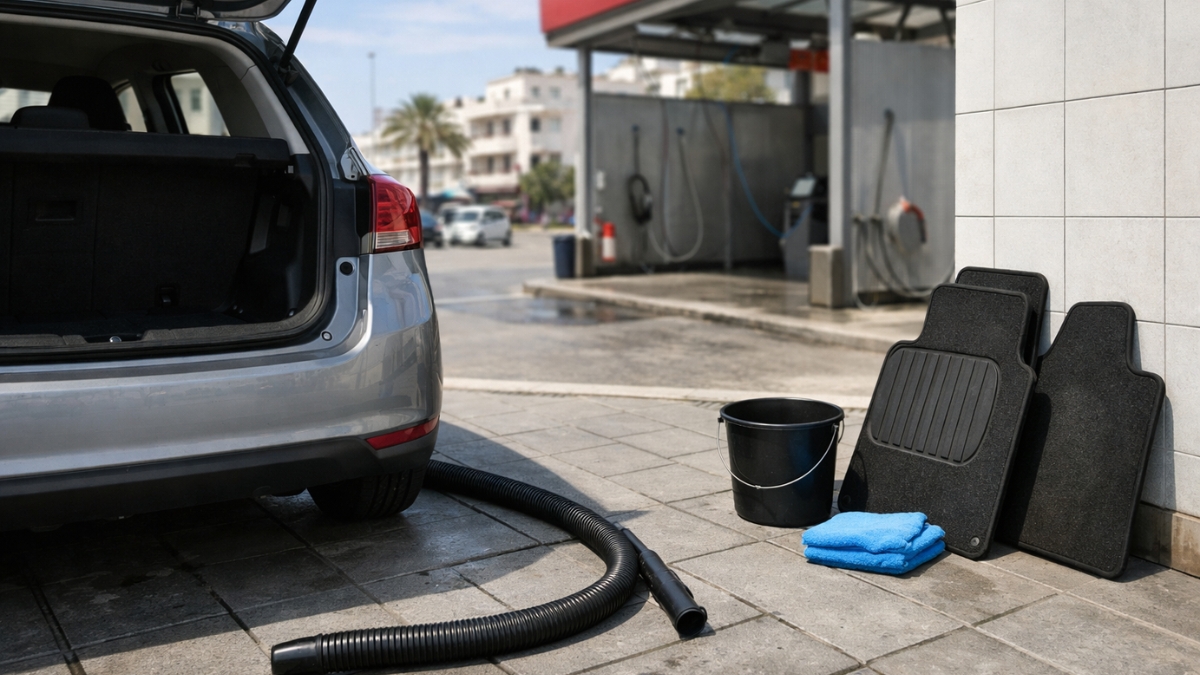
Returning a rental car in Tangier should be simple: drop the keys, confirm fuel, and go. But “clean return” is where many travelers get surprised, because “clean” doesn’t mean showroom perfect, and it also doesn’t mean “leave it however it is.”
In Tangier, the biggest cleaning issues usually come from normal coastal life: sand from the beach, dust from windy days, and salty air that leaves a light film on windows. The good news is that most “clean return” expectations are predictable once you know what agencies typically check.
Table of contents
What “clean return” usually means in Tangier
Normal dirt vs. chargeable dirt
The quick 10-minute clean-return routine
Beach sand and sea-salt: Tangier-specific issues
What agencies check during handover
When a professional wash is worth it
How to avoid cleaning disputes and delays
FAQ
What “clean return” usually means in Tangier
A practical “clean return” standard is this:
Interior: no trash, no strong odors, no heavy sand or mud, no stains that look “new,” and seats/floor areas reasonably tidy.
Exterior: not covered in thick mud, sticky residue, or bird droppings; windows and mirrors clear enough for inspection.
Trunk: no sand piles, spilled liquids, food crumbs, or wet items left behind.
Think of it like this: the car should look like it’s been used normally, not like it hosted a beach picnic, a construction job, or a takeout party.
Normal dirt vs. chargeable dirt
Most agencies expect normal road dust and light marks after a trip. Cleaning charges usually appear when the car needs extra time, extra labor, or specialized odor removal.
Usually considered normal
Light exterior dust from motorway driving
A few footprints on mats
Small crumbs that can be brushed off quickly
A couple of water spots after light rain
Often chargeable (because it requires “extra” cleaning)
Heavy sand in footwells, seats, or trunk (beach trips are the #1 cause)
Mud thick enough that the body panels and wheel arches need attention
Food spills (coffee, sauce, melted ice cream)
Sticky residue (soda, candy, gum)
Strong odors (smoke, fish, heavy perfume)
Pet hair that needs deep vacuuming (if pets are even allowed)
A good rule: if you’d feel awkward handing the car to a friend in that condition, it’s worth cleaning before return.
The quick 10-minute clean-return routine
You don’t need a full detailing. Most travelers can meet clean-return expectations with one short routine.
Step 1: Empty everything (2 minutes)
Door pockets, glove box, cup holders, trunk corners
Remove receipts, bottles, snack wrappers, and parking tickets
Step 2: Shake and tap floor mats (2 minutes)
Lift mats out, shake them away from the car
Tap the edges to release dust and sand
Put them back aligned (crooked mats look “messy” even if clean)
Step 3: Quick vacuum focus (4 minutes)
If you have access to a vacuum (self-service bay or station):
Prioritize driver footwell, front passenger footwell, and trunk lip
Do a fast pass over seat seams (sand loves hiding there)
For general best practices on using self-service vacuums and what they’re designed to handle, the International Carwash Association has helpful guidance you can skim before your trip: car wash and vacuum basics.
Step 4: Wipe the touch points (2 minutes)
Use a microfiber cloth or tissue:
Steering wheel, gear area, touchscreen frame, door handles
This removes visible smudges that can make a car look dirtier than it is
If you do only one thing: remove trash + shake mats + quick vacuum. That solves most clean-return complaints.
Beach sand and sea-salt: Tangier-specific issues
Tangier is coastal, and that changes cleaning reality.
Sand problems
Beach sand acts like glitter: it spreads everywhere, especially:
Under the front seats
In seat rails
In trunk corners near the spare tire area
If you visited Achakkar, a beach near the corniche, or drove with sandals, assume sand got in. A quick vacuum is the difference between “normal use” and “deep clean required.”
Sea-salt film
Even if the car looks clean, salty air can leave a faint layer on:
Windshield and side windows
Mirrors
Dark paint (it shows more)
A simple wipe of windows (or a quick rinse) makes the inspection faster because the agent can see the bodywork clearly.
For a safe, paint-friendly approach to rinsing and wiping without scratching, Michelin shares straightforward car care tips that apply anywhere: basic car cleaning advice.
What agencies check during handover
Cleaning checks are usually quick and visual. Most staff focus on areas that reveal how the car was treated:
Footwells and mats: sand, mud, trash
Seats: stains, wet spots, new marks
Trunk: leftover items, sand piles, spills
Odor: smoke or strong food smell
Exterior: bird droppings, thick mud around wheel arches, sticky residue
If the car is clean enough to inspect quickly, the return process tends to stay smooth.
When a professional wash is worth it
You don’t always need to pay for a wash, but sometimes it saves you money and time.
A wash is worth it if:
You drove through rain and muddy roads and the car is visibly dirty
You have heavy sand inside after a beach day
You’re returning at night and want zero debate during inspection
You’re short on time and prefer a quick “done” solution
If your car only has light dust, a fast vacuum + wipe is typically enough.
How to avoid cleaning disputes and delays
Most cleaning arguments happen because expectations weren’t clear or the condition wasn’t documented.
Here’s a simple prevention kit:
Take 8 photos at return: front, back, both sides, dashboard, front footwells, trunk
Do a 30-second walkaround with staff if possible
Ask what “clean return” means before you leave the pickup lot (one sentence saves headaches)
Don’t mask odors with heavy fragrance, fresh air is better
Avoid eating messy foods in the car (sauce spills are hard to “quick-fix”)
If you’re doing a one-way drop or after-hours return, photos matter even more.
FAQ
What counts as “clean return” in Tangier?
Usually: no trash, no heavy sand or mud, no new stains, no strong odors, and an exterior that isn’t heavily soiled.
Do I need to wash the outside before returning?
Not always. Light dust is normal. Wash or rinse is smart if the car is muddy, has bird droppings, or salty film makes inspection harder.
What’s the biggest reason people get a cleaning fee?
Heavy sand in the interior (footwells, seats, trunk) and food or drink spills.
Are cigarette smells treated as a cleaning issue?
Yes. Smoke odor often triggers extra cleaning because it can require deeper treatment, and many rentals treat it as a separate fee category.
If I vacuum quickly, is that usually enough?
In most cases, yes especially if you focus on mats, footwells, seat seams, and the trunk edge.
Should I take photos even if the car looks fine?
Yes. Photos take a minute and help prevent misunderstandings about cleanliness or condition at return.
