
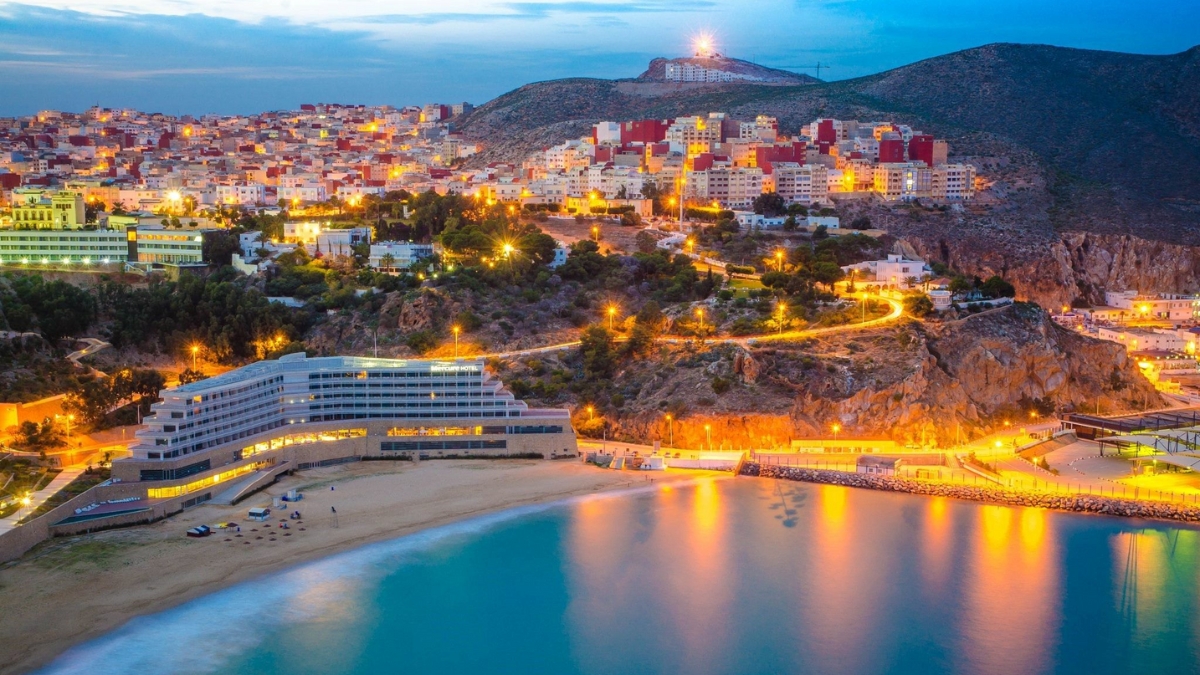
Driving from Tangier to Al Hoceima is one of northern Morocco’s most scenic and underrated road trips. The journey combines Mediterranean coastline, mountain terrain, quiet fishing towns, and dramatic viewpoints, very different from Morocco’s southern routes.
However, this is not a “set cruise control and go” drive. Route choice, fuel planning, and smart break stops make a major difference, especially for visitors unfamiliar with the Rif region. This guide explains the best route options, where to stop safely, and how to plan a smooth trip.
Table of Contents
Overview of the Tangier–Al Hoceima Drive
Distance, Duration & Road Conditions
Route Option 1: Coastal Mediterranean Route
Route Option 2: Inland Rif Mountains Route
Which Route Is Best for Tourists?
Best Break Stops Along the Way
Fuel, Rest Areas & Practical Services
Driving Conditions & Safety Tips
Best Time of Day to Drive
Common Mistakes to Avoid
FAQs About the Tangier–Al Hoceima Road Trip
Final Thoughts
Overview of the Tangier–Al Hoceima Drive
This road trip links Tangier, Morocco’s northern gateway, with Al Hoceima, a relaxed Mediterranean city known for beaches and cliffs. Unlike highway-heavy routes, much of this drive is regional road driving, with curves, elevation changes, and limited services in some sections.
It is rewarding, but requires planning.
Distance, Duration & Road Conditions
Distance: ~300 km (varies by route)
Driving time: 6–8 hours (excluding stops)
Road type: National and regional roads
Surface quality: Mostly good, some narrow sections
Expect:
Curves in mountain areas
Occasional slow traffic through towns
Limited lighting at night
Route Option 1: Coastal Mediterranean Route
Tangier → Tetouan → Jebha → Al Hoceima
Why Choose This Route
Sea views
Small fishing towns
Scenic cliffside sections
What to Expect
Narrow, winding roads
Slower average speed
Fewer fuel stations
This route is visually stunning but demands focus and patience. It’s best suited for daytime driving and confident drivers.
Navigation apps are useful here, especially for estimating arrival times and identifying coastal turn-offs. Google explains how to follow routes, road conditions, and real-time adjustments using its navigation features:
https://support.google.com/maps/answer/144339
Route Option 2: Inland Rif Mountains Route
Tangier → Tetouan → Chefchaouen → Al Hoceima
Why Choose This Route
Better road width
More services and towns
Famous mountain scenery
What to Expect
Mountain driving
Cooler temperatures
Easier fuel and food access
This is the most popular option for tourists, especially those planning to stop in Chefchaouen.
Which Route Is Best for Tourists?
Best Choice for First-Time Visitors
Inland route via Chefchaouen
Reasons:
Better road conditions
More accommodation options
Safer stops and fuel access
Best Choice for Scenic Enthusiasts
Coastal route via Jebha
Only recommended if:
Driving during daylight
Comfortable with curves
Not in a rush
Some travelers combine both routes by going one way inland and returning via the coast.
Best Break Stops Along the Way
1. Tetouan
Ideal first stop from Tangier
Cafés, fuel, restrooms
Easy parking in modern areas
2. Chefchaouen (Inland Route)
Perfect lunch or overnight stop
Restaurants, viewpoints
Clean rest facilities
3. Jebha (Coastal Route)
Fishing port town
Seafood cafés
Ocean views
Only stop where parking is clearly safe, avoid roadside curves.
Fuel, Rest Areas & Practical Services
Fuel Strategy
Fill up in Tangier
Refuel again in Tetouan or Chefchaouen
Do not wait until low fuel near Al Hoceima
Fuel stations become sparse in remote coastal and mountain sections.
Restrooms & Food
Reliable in towns
Limited in open mountain stretches
Carry water and snacks
Driving Conditions & Safety Tips
The Rif region is mountainous and less urbanized.
Key Safety Tips
Drive only during daylight
Reduce speed on blind curves
Expect livestock near villages
Avoid overtaking unless visibility is clear
Road signage follows international conventions governing road traffic rules and driver conduct, which are designed to standardize safety behavior across regions:
https://unece.org/road-traffic-and-road-signs-and-signals-agreements-and-conventions
Respecting signage is especially important on mountain roads.
Best Time of Day to Drive
Recommended
Departure: 7:00 – 9:00 AM
Arrival before sunset
Avoid
Night driving
Foggy mornings in mountain zones
Rushing the trip in one stretch
Breaking the journey into two segments improves safety and enjoyment.
Common Mistakes to Avoid
Attempting the drive at night
Underestimating travel time
Skipping fuel in major towns
Relying on GPS without local awareness
Driving too fast on coastal curves
Most issues occur due to time pressure, not road quality.
FAQs About the Tangier–Al Hoceima Road Trip
Is the drive safe for tourists?
Yes, with daytime driving and basic precautions.
Do I need a 4×4?
No, standard vehicles are sufficient.
Is the coastal route dangerous?
Not dangerous, but narrow and slow.
Can I do it in one day?
Yes, but it’s long. Many prefer an overnight stop.
Are services frequent?
Yes inland, limited on the coast.
Is winter driving recommended?
Yes, but watch for fog in mountains.
Final Thoughts
The Tangier to Al Hoceima road trip is a journey for travelers who enjoy landscapes, quiet roads, and regional Morocco. Choosing the right route, planning fuel stops, and driving during daylight transform this long drive into a memorable experience.
Whether you choose the coastal cliffs or the Rif Mountains, preparation, is the key to enjoying one of northern Morocco’s finest road journeys.
