
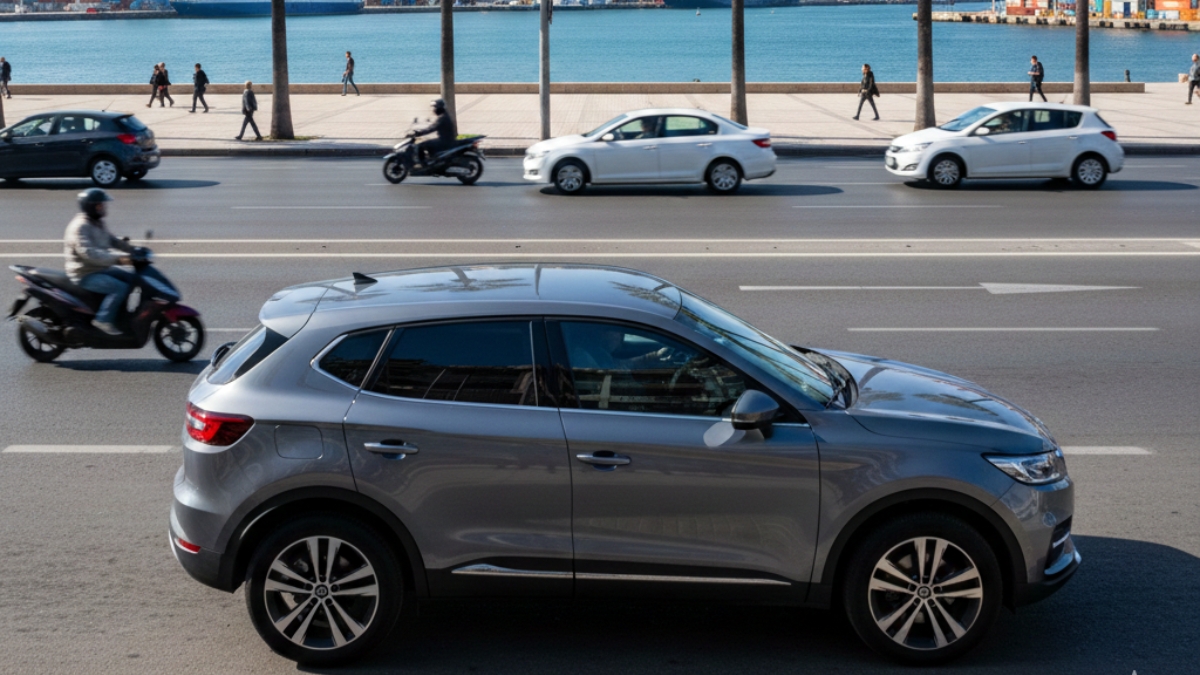
Tangier is one of the most interesting cities in Morocco to drive in: Atlantic meets Mediterranean, ferries from Europe arrive at the port, and the Corniche runs along the bay with cafés and hotels. But as a visitor, it can be confusing: Can I drive near the medina? Where can I park near the port? Are police stops normal? What papers do I need in the car?
This guide answers all of that in clear, practical steps so you can drive in Tangier confidently and legally, whether you’re heading toward the Kasbah, the Corniche, or the road to Tanger Med.
Table of Contents (Checklist)
-
1) How driving in Tangier feels for a tourist
-
2) Police stops: how they work & what officers check
-
3) Documents & insurance you must keep in the car
-
4) Driving near the medina & Kasbah: where to stop and where not to
-
5) Parking near Tangier Port & Tanger Med (for ferry users)
-
6) Parking along the Corniche & in modern districts
-
7) Quick “ready-to-drive in Tangier” checklist
-
FAQ
1) How driving in Tangier feels for a tourist
Tangier driving is a mix of:
-
modern boulevards (Corniche, main avenues)
-
roundabouts that get busy at rush hours
-
older streets around the medina and Kasbah where space is tight
What you’ll notice as a tourist:
-
Traffic is generally slower than on European motorways, but
-
Lane discipline can be loose (scooters, taxis, pedestrians)
-
Police checkpoints are normal, especially on roads in/out of the city and toward Tanger Med
If you stay calm, keep distance, and anticipate scooters and sudden stops, driving is manageable, especially with good parking strategy.
2) Police stops: how they work & what officers check
You’ll often see police or gendarmerie checkpoints:
-
at the entrance/exit of Tangier
-
on the coastal roads (toward Cap Spartel / Achakar or toward Tetouan)
-
near the port access roads and major roundabouts
Most checks are routine. If your driving is normal and your papers are correct, they are usually over in 1–3 minutes.
Typical questions / checks:
-
Your driving license (original)
-
Vehicle registration (carte grise)
-
Insurance document for the vehicle
-
Sometimes your passport/ID, especially near ports and sensitive zones
Stay polite: slow down early, open your window, say “Bonjour / Salam”, and have your papers ready.
3) Documents & insurance you must keep in the car
Even with a rental car, you must follow Moroccan rules. Morocco’s road safety authority NARSA clearly lists the essential documents required to drive: valid driving licence, insurance certificate, and vehicle registration, as well as mandatory safety equipment. NARSA – Conduire au Maroc : la check-list des équipements et papiers
As a tourist in Tangier, that means:
A) On you
-
Driving licence : original, valid for the vehicle class
-
ID/Passport : original document ready if officers ask for it
-
(Optional but recommended) International Driving Permit if your licence isn’t in Latin characters or easily understood
B) In the car
Your rental company should provide:
-
Registration document (carte grise)
-
Insurance certificate for the vehicle
-
Rental contract (paper or digital copy)
Check at pickup that these are in the glovebox before you leave.
C) Insurance details
Basic insurance is usually included, but you should know:
-
What deductible/excess applies
-
Whether glass/tyres/undercarriage are covered or excluded
-
What to do and who to call in case of an accident or scratch
Knowing this before you drive saves stress later, especially in busy areas like the Corniche or port access.
4) Driving near the medina & Kasbah: where to stop and where not to
Tangier’s medina and Kasbah are built on a hill above the port. Many streets are too narrow or pedestrian-only, and trying to drive “into” the medina is the easiest way to get stuck.
Good practice around the medina
-
Aim for peripheral parking just outside the walls or near official car parks.
-
Avoid following taxis deep into old streets, you may not fit or be allowed to stop.
-
If your riad/hotel is in the medina, ask them for the nearest accessible car park or gate and navigate there rather than to the door.
Kasbah area
The Kasbah sits above the medina; streets are tighter and steeper. It’s usually better to:
-
Park lower down (near Bab El Marsa / port area car parks or designated medina car parks)
-
Walk or take a short taxi up to the Kasbah
You’ll save time and avoid stressful 3-point turns in front of café terraces full of people watching you struggle.
5) Parking near Tangier Port & Tanger Med (for ferry users)
Tangier City Port (Port de Tanger Ville)
If you’re just parking near the city port and medina, look for official car parks or areas managed by the city’s parking operator. The city has created an integrated parking management system with multiple car parks (Corniche, Kasbah, Bab El Marsa, Ligue Arabe, etc.) described on the official platform here: Tanger Parking – Official urban parking platform
These managed car parks are ideal if:
-
you’re leaving the car for several hours while exploring the medina
-
you want surveillance and better organization than random street parking
-
you’re staying in a hotel near the port or Corniche
Tanger Med (ferry terminal outside the city)
If you’re driving to or from Tanger Med Passengers (the big ferry port out of town):
-
Follow signed routes from Tangier via motorway or N16.
-
Arrive with extra time (ports can be busy on peak days).
-
For long-term parking while you cross as a foot passenger, use the official parking indicated by the port operator rather than improvising near access roads.
Always keep your vehicle documents handy, port areas often have more frequent checks.
6) Parking along the Corniche & in modern districts
The Corniche is where many visitors stay: hotels, cafés, restaurants, and sea views. Parking options include:
A) On-street parking
-
Often managed by attendants or meters depending on area
-
Good for shorter stops (meals, walks, café breaks)
-
Check signs or ask your accommodation which stretches are best for your time of day
B) Managed car parks
Around the Corniche and modern districts you’ll find:
-
Surface car parks with attendants
-
Some underground or barrier-controlled parking (often near malls or hotel clusters)
Advantages:
-
more predictable spaces
-
easier for night parking
-
often better for multi-hour or overnight stays than random street spots
C) Practical tips for Corniche parking
-
Avoid blocking hotel entrances or loading bays “just for 2 minutes”, it can be costly if there is towing.
-
At night, choose well-lit, busier spots rather than very quiet side streets, especially if you’re leaving luggage in the car (ideally, you don’t).
-
If someone offers “informal guarding” of your car, you can politely decline or give a small coin for watching, this is common in some areas, but official car parks are more structured.
7) Quick “ready-to-drive in Tangier” checklist
Before you drive off from the rental office or your hotel:
In your wallet / on you:
-
Passport or ID
-
Driving licence (and IDP if recommended)
In the car:
-
Registration (carte grise)
-
Insurance certificate
-
Rental contract & emergency contact number
-
Warning triangle (and ideally hi-vis vest)
Plan & parking:
-
Nearest medina/Kasbah car park saved in your map app
-
Best Corniche parking zone identified (hotel suggestion helps)
-
Route to Tanger Med or city port bookmarked if you’re using the ferry
Screenshot this checklist and keep it on your phone, you’ll only need to set it up once.
FAQ
Are police stops in Tangier normal?
Yes, especially on main roads and near ports. They’re usually brief if your documents and driving are in order.
Do I need to carry my passport when driving?
You should be ready to show your passport or ID if officers request it, particularly near port or ferry zones.
Can I drive into the medina?
It’s strongly discouraged. Streets are narrow, often pedestrian-only, and parking inside is extremely limited. Use edge car parks and walk in.
Where is the best place to park near the port and medina?
Use official or managed car parks around Bab El Marsa, Kasbah, or Corniche zones rather than trying to park at the exact medina door.
Is night driving along the Corniche safe?
The Corniche is one of the more active, lit areas, but you should still drive carefully, watch for pedestrians, and choose secure, well-lit parking.
What if my rental company didn’t put documents in the car?
Ask them to provide the registration and insurance certificate before you leave. Driving without them can cause fines or immobilisation if you’re stopped.
